American Airlines Boeing 757
American Airlines operated 177 Boeing 757s over 30 years, but the fleet is now retired
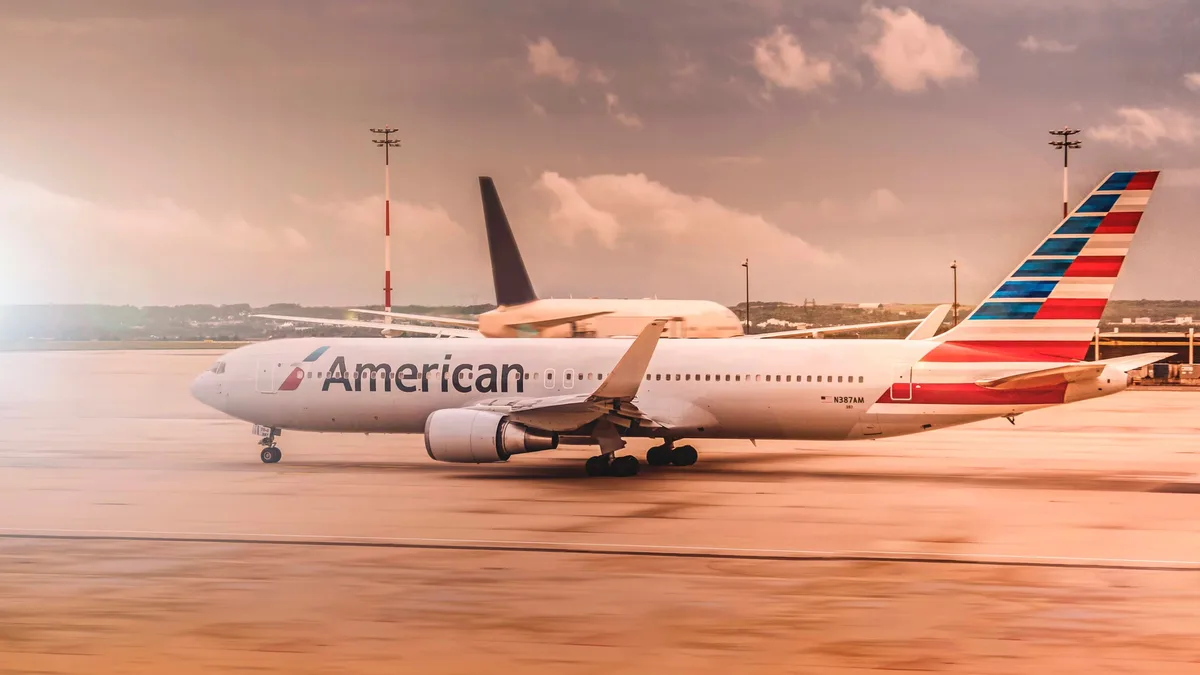
American Airlines had 177 Boeing 757-200s in its fleet over the years, with the first one delivered in 1989. The airline received its first Boeing 757 in September 1989, and it reportedly entered service between Dallas/Fort Worth and Chicago O'Hare on 30 September 1989.
American Airlines Introduces the Boeing 757
The Boeing 757 had entered airline service with Eastern Air Lines in 1983, and American Airlines became a Boeing 757 operator relatively early in the type's career. American's aircraft were Boeing 757-223s, powered by Rolls-Royce RB211 engines, and were used to expand the airline's operations, particularly at its Dallas/Fort Worth hub.
American’s 757 Fleet Grows
At its height, the Boeing 757 was one of American's most important aircraft types, with 102 Boeing 757s in service by the beginning of 2001, and another 22 on order. The acquisition of Trans World Airlines (TWA) in 2001 added 27 Boeing 757s to the fleet, although most of these were eventually transferred to Delta Air Lines. The merger of American Airlines and US Airways in 2013 added another 24 Boeing 757-200s to the fleet.
Where Did American Airlines Fly the 757?
The Boeing 757 was used on a variety of routes, including domestic services between major US cities, flights to Hawaii, and international services to the Caribbean, Latin America, and Europe. From hubs such as Dallas/Fort Worth, Chicago O'Hare, Miami, and New York JFK, 757s could be found linking major cities across the United States, and the aircraft was particularly useful on routes where a Boeing 737 or MD-80 was too small, but a widebody would have offered too much capacity.
American’s 757s Head to Hawaii
The Boeing 757 was used extensively on flights to Hawaii, with the aircraft's range allowing American to deploy it on long overwater sectors between the US mainland and the Hawaiian Islands. The 757 became synonymous with the beginning and end of a Hawaiian holiday for many passengers, and even as newer aircraft began arriving, Hawaii remained one of the type's core assignments.
South to Latin America and the Caribbean
The 757 was also used on flights to the Caribbean and Latin America, with American developing one of the largest networks between the United States, Caribbean, and Latin America, centered particularly on its huge Miami hub. The 757 was almost ideally suited for these routes, with enough capacity for busy leisure and business markets, yet also possessing the range and performance necessary to operate longer sectors into Central and South America.
Taking the 757 Across the Atlantic
The Boeing 757 became famous for opening up thinner transatlantic routes which could not necessarily support a Boeing 767, 777, or other widebody aircraft. American was among the airlines to take advantage, with a specially configured group of 757s fitted out for international operations, allowing American to use the aircraft on routes between the US East Coast and Europe. The 757 was used on routes linking the US with destinations including Dublin, Edinburgh, Manchester, Shannon, and other European cities, demonstrating one of the 757's greatest strengths: it could fly long distances while carrying fewer passengers than the widebody jets traditionally associated with transatlantic flying.
The Fleet Begins to Shrink
By the 2010s, however, the future of the Boeing 757 was becoming increasingly clear, with production of the type having ended in 2004 and American's aircraft ageing. Newer jets offered lower fuel burn, reduced maintenance requirements, and more modern passenger cabins, and American consequently began reducing its 757 fleet. The arrival of large numbers of Airbus A321s was particularly important, as these aircraft could perform many of the domestic, Caribbean, and transcontinental missions previously handled by the 757, but with much newer technology and better economics.
An Abrupt End in 2020
The collapse in air travel during the early months of the COVID-19 pandemic led to an abrupt end to the Boeing 757's career with American Airlines, with the airline initially expecting to keep the aircraft in service a little longer. By early 2020, just 34 Boeing 757s remained in the American Airlines fleet, and the airline has now retired the type, with no 757s remaining in service. As reported by AirportSpotting.com, the Boeing 757 played a significant role in American Airlines' operations over the years, and its retirement marks the end of an era for the airline.