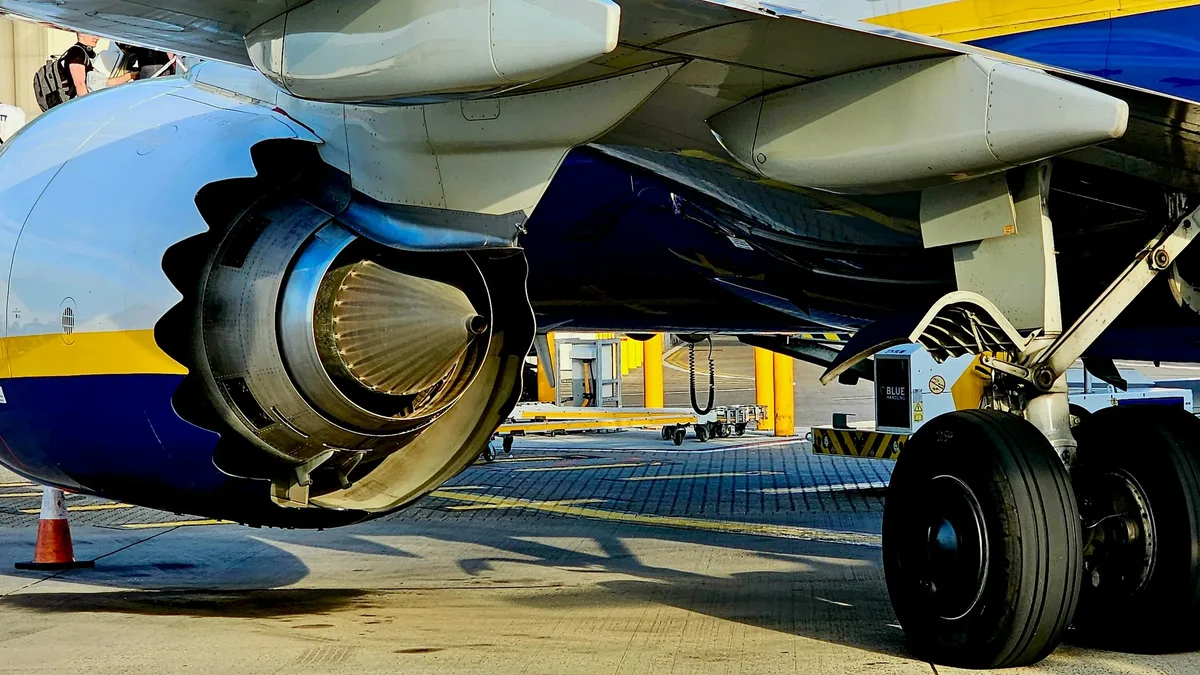
Qantas Advances Airbus A380 Retirement to 2028
Qantas is accelerating the retirement of its Airbus A380 fleet by four years, moving the phase-out from 2032 to 2028, due to soaring oil costs and financial strain from maintenance and disruptions.
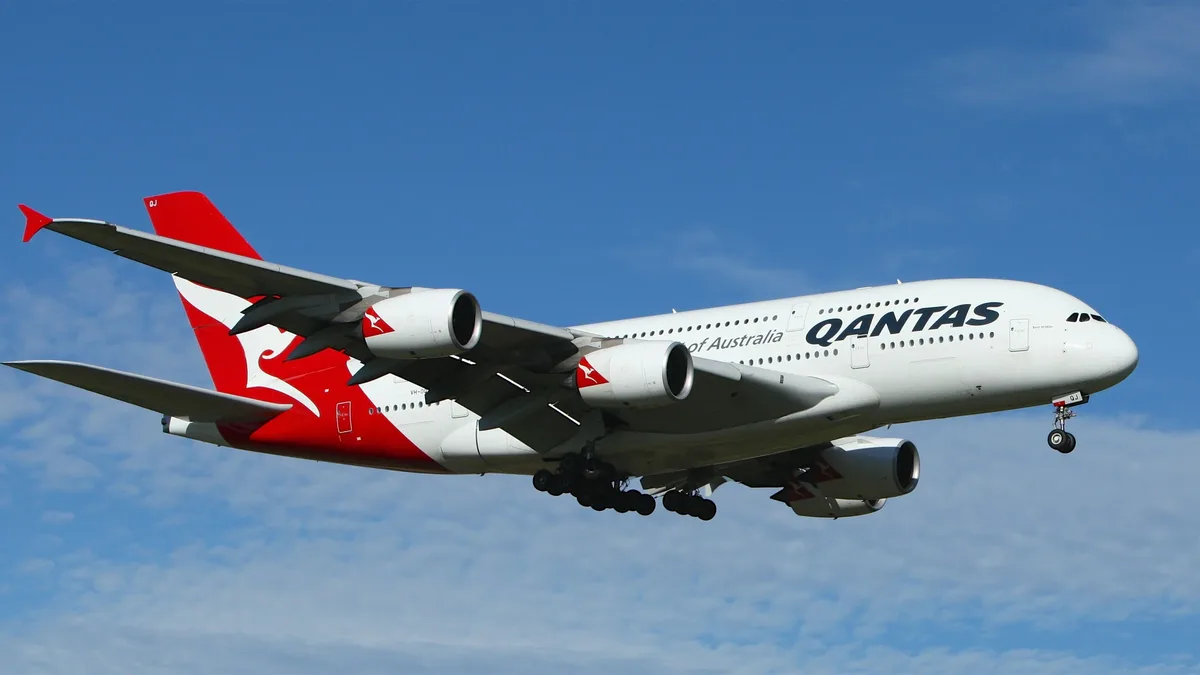
Qantas has moved up the retirement date of its Airbus A380 fleet by four years, with the first superjumbos set to exit service in 2028, according to Reuters.
The airline reported a 14% hit to profits this year due to fluctuating oil costs, which have surged from $20 to $120 per barrel since the start of Operation Epic Fury, as stated by Reuters.
Qantas originally planned to phase out its ten A380-800 aircraft starting in 2032, but has now rescheduled this to 2028, aligning with the arrival of the first A350-1000s in 2027, as reported in the source.
To prevent capacity gaps, Qantas is negotiating with Airbus to convert options into firm orders for additional A350-1000s and with Boeing to expedite 787 Dreamliner deliveries, as detailed in the report.
The A380s, averaging 17 years in age, are becoming a financial liability due to rising maintenance costs and disruptions, with 20% of Qantas' active fleet currently grounded, including one aircraft stuck in London since July 3 for an engine change and another in Dresden for months-long heavy maintenance, according to Aviation Shop.
Qantas Group CEO Vanessa Hudson stated that the aircraft's age and associated costs make it more of a financial burden than an asset, as quoted by Executive Traveller.
Project Sunrise & Fleet Modernization
Qantas is also phasing out its 30-strong fleet of aging Airbus A330 aircraft, with urgent negotiations underway to convert roughly 20 options into firm orders for deliveries starting in 2030, as reported in the source.
The first 12 A350-1000ULR jets will be dedicated to Project Sunrise, enabling nonstop routes from Sydney to London and New York, which will become the world's longest commercial air routes upon launch, according to the report.
These specially configured planes will not replace A380 or A330 capacity, creating a period of strained capacity due to timeline mismatches and smaller airframe sizes, as stated in the article.
Estimates project that lower seat supply and sustained fuel costs will increase international long-haul ticket prices by approximately 10%, as reported by Stocks Down Under.
Cost Implications of A380 Retirement
Qantas expects revenue per available seat kilometer (RASK) to rise by 8% to 10% across international operations, directly translating to higher average ticket prices, according to Stocks Down Under.
Airbus has delayed the A350-1000ULR delivery by nearly six months, pushing the first delivery to April 2027, while the A350-1000 will carry only 238 passengers compared to the A380's 485, representing a 51% capacity reduction per flight, as stated in the source.
This reduced capacity occurs amid flat international growth and high global demand for travel avoiding the Middle East, with Qantas removing the A380 from Melbourne to Los Angeles and downscaling Sydney to Los Angeles frequencies, as reported by Aviation Shop.
Flying smaller planes increases fares despite fuel efficiency, as operational costs remain constant, according to the report.