Boeing 787 Dreamliner's 2024 Sales Lead
Despite a seven-month delivery halt in 2023, the Boeing 787 Dreamliner became the best-selling widebody aircraft of 2024.
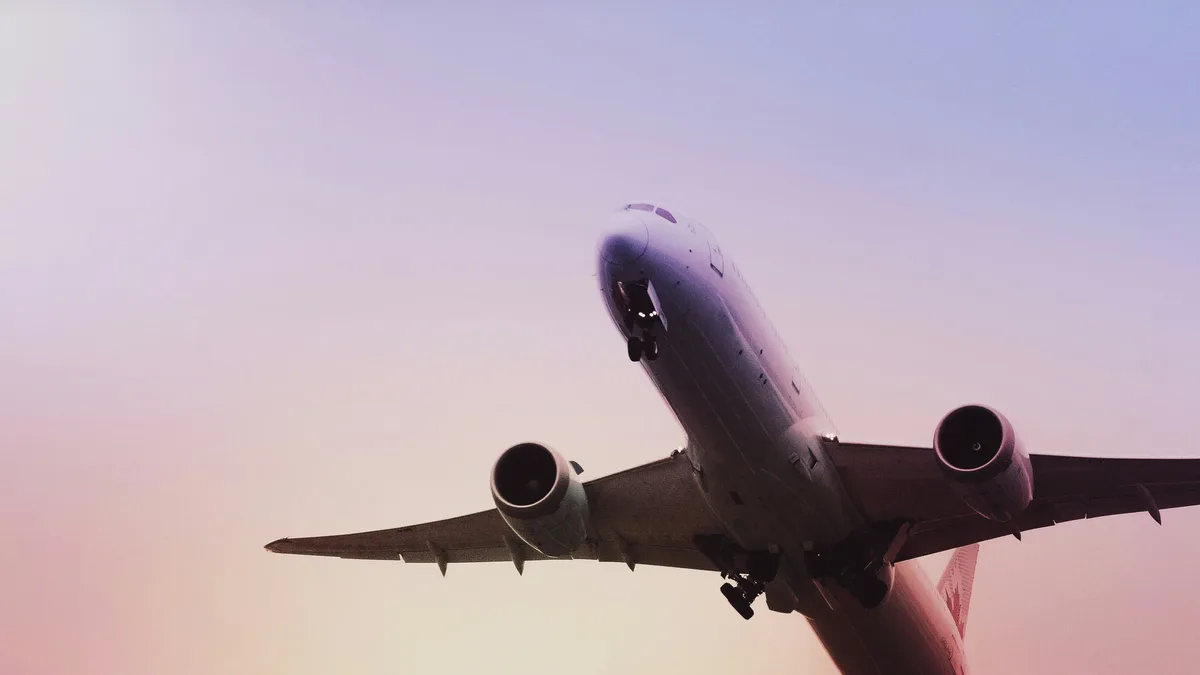
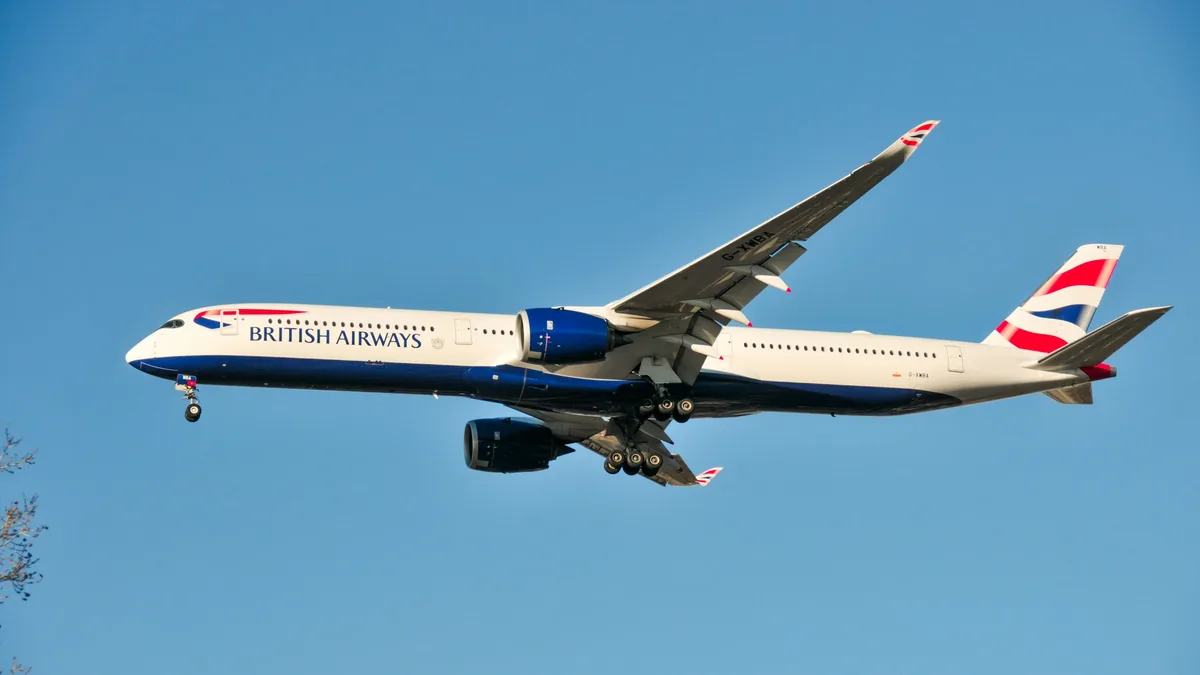
The Boeing 787 Dreamliner was the best-selling widebody aircraft in 2024, according to a report by Simple Flying. This achievement came despite the program facing a nearly seven-month delivery halt the previous year due to production quality issues.
More than a decade after its entry into service, the 787 now sits at the center of countless long-haul networks. Its design, promising lower operating costs and the ability to reshape global travel patterns, has largely been realized.
A Radical Design and Early Challenges
When first announced in the early 2000s, the 787 represented an ambitious project for Boeing. Its primary structure was roughly 50% carbon-fiber-reinforced polymer composites, a dramatic increase from about 12% in earlier aircraft like the Boeing 767. This alone was expected to reduce weight and improve fuel burn by around 20% compared to similarly sized jets.
The aircraft also replaced traditional pneumatic systems with electrically driven ones, adopting a 'more-electric' architecture. Early demand was strong, with over 800 orders placed before the aircraft entered commercial use. However, Boeing's global outsourcing strategy led to severe integration issues. The program suffered delays of more than three years, pushing the first delivery from the planned 2008 to late 2011.
Operational Crises and Groundings
The 787 finally entered service in October 2011 with All Nippon Airways. Passengers praised features like improved cabin pressure, equivalent to about 6,000 feet instead of the usual 8,000 feet. Yet technical challenges surfaced, including electrical system glitches and brake faults.
A major crisis occurred in January 2013. Two separate incidents involving lithium-ion batteries resulted in fires. Aviation regulators, including the US Federal Aviation Administration, grounded the entire global fleet of around 50 Dreamliners. Boeing responded with a comprehensive redesign of the battery system, including a stainless-steel containment box. The aircraft returned to service after approximately three months.
Production Halts and Recovery
The 2020s brought a more prolonged challenge: production quality issues. Starting in 2020, Boeing identified manufacturing defects related to fuselage joins. As a result, the company halted deliveries multiple times between 2020 and 2023. At one point, deliveries were paused for nearly a full year, creating a backlog of over 100 undelivered aircraft.
Boeing's production rate dropped significantly, from a planned 14 aircraft per month to as few as two to three at certain points. The cumulative effect of these disruptions amounted to roughly three years of intermittent halts. Despite this, the aircraft's promised fuel savings of approximately 20% compared to older jets like the 767 and A330 translated into major annual savings for airlines, sustaining demand.
A Somber Milestone
For more than a decade, the 787 maintained a remarkable safety record with no fatal accidents. That changed in 2025 with the crash of an Air India aircraft, flight AI171, shortly after takeoff. Early findings indicated no immediate evidence of a systemic design flaw affecting the entire fleet, and regulators did not ground the 787. Airlines continued operating the aircraft following the incident.
The report concludes that the Dreamliner's ability to open long, thin routes between secondary cities, a core part of its original vision, ultimately underpinned its commercial success. Its journey from concept to sales leader has been defined by overcoming a series of technical and manufacturing hurdles.