Ground Crew's Pre-Departure Tasks Explained
A look at the coordinated ground operations by multiple teams that prepare an aircraft for departure, based on IATA procedures.
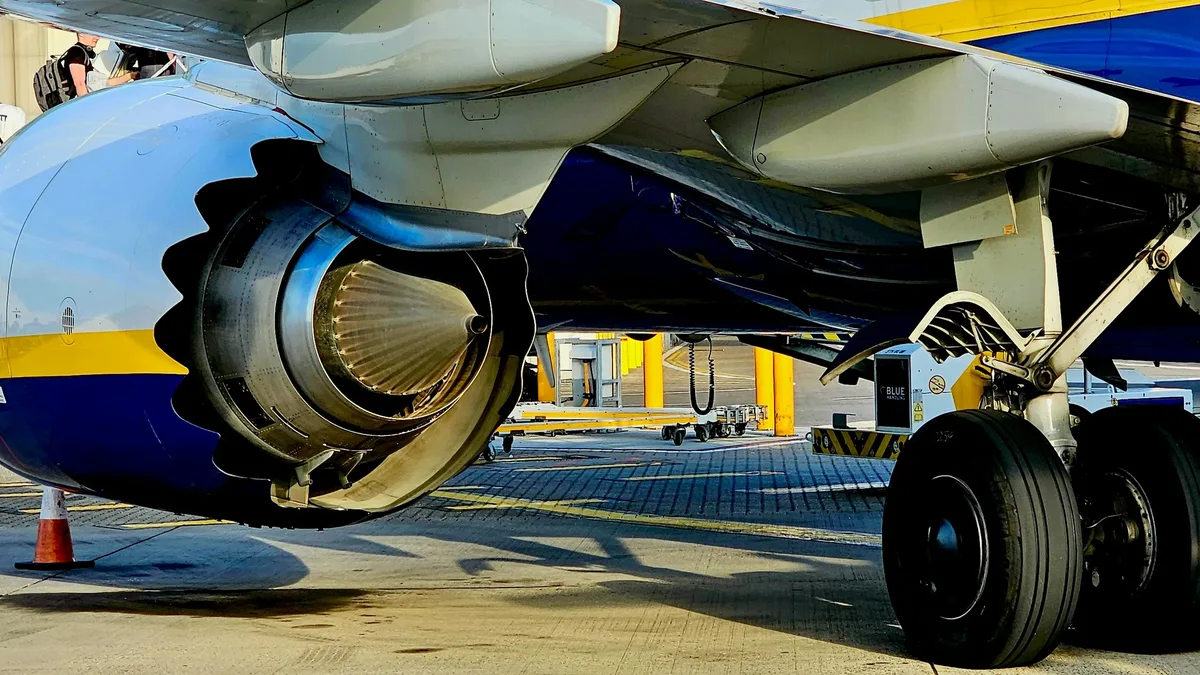
Before passengers board, a complex sequence of ground operations prepares the aircraft for its next flight. According to a report by Simple Flying, ramp agents, loading supervisors, fuel personnel, catering and cleaning teams, and maintenance staff work in a carefully coordinated sequence during a typical turnaround. Their tasks must be completed within a limited ground window without compromising safety, covering everything from inspecting cargo holds to calculating the aircraft's final loading condition.
Ground operations are not handled by one generic group. Different specialists have separate responsibilities, synchronized by a ramp supervisor or turnaround coordinator. The International Air Transport Association's (IATA) ground operations standards cover aircraft handling, baggage, cargo, fueling, load control, and aircraft movement. IATA describes standardization as essential for making these operations safer and more efficient.
Initial Inspection and Damage Assessment
One of the first jobs after an aircraft arrives is a detailed inspection. While passengers see baggage unloading, ground personnel examine areas inaccessible from the terminal. IATA's standardized procedures call for an inspection of the cargo holds after unloading.
Personnel check for shifted loads, look for damage, and document problems requiring corrective action. Spills must be handled according to established procedures. A small dent or scrape can become an operational problem if not identified promptly. IATA identifies aircraft ground damage as a common cause of turnaround delays.
Before cargo is loaded, personnel verify the aircraft registration, hold condition, and loading information. Unit load devices (ULDs) are inspected for damage. Their configuration and securing arrangements must correspond with the aircraft. Each hold becomes a controlled work area where conditions are confirmed before proceeding.
Coordinated Loading and Securing
Baggage and cargo are loaded and secured according to a specific plan. Ground personnel determine where items belong and ensure the final arrangement matches the aircraft's loading instructions. IATA procedures require loading personnel to cross-check information like ULD gross weights and destination codes before loading begins.
Securing the load is a separate, essential safety responsibility. ULDs must be restrained appropriately. Loose baggage and cargo must be positioned according to the applicable loading configuration. The goal is to prevent contents from shifting during flight and maintain the intended mass distribution. Ramp supervisors are also responsible for ensuring baggage is scanned correctly and for addressing left-behind baggage.
This work remains synchronized with other turnaround activities like fueling and passenger boarding. IATA emphasizes coordination between airlines, airports, and ground service providers because delays in one activity can disrupt the entire process.
Simultaneous Servicing Operations
While baggage is handled, several other teams work around the same airframe. Fueling, catering, cabin cleaning, and other servicing activities are coordinated rather than treated as isolated jobs. Fueling is particularly important as the amount loaded becomes part of the aircraft's final operating condition. Ground personnel monitor the fuel operation while load-control functions account for the resulting weight.
Catering supplies must be delivered and coordinated so as not to obstruct other ground equipment or delay boarding. Cleaning teams prepare the cabin within the same constrained window. The simultaneous nature of these activities explains why an aircraft can appear surrounded by numerous vehicles and equipment after arriving at the gate.
Standardization is crucial as ground handling involves many different organizations, including contracted ground handlers, airport personnel, fueling providers, catering companies, and cleaning contractors. Common procedures, like those from IATA, help coordinate these groups.
Final Weight, Balance, and Documentation
After much physical work is finished, ground operations personnel must establish the aircraft's final loading condition. IATA identifies load control as a distinct ground-operations discipline with its own principles, regulatory requirements, and documentation. The ramp supervisor's responsibilities can include tracking passenger numbers, baggage pieces, and fuel quantities while coordinating weight-and-balance documentation with Load Control.
An aircraft's condition changes significantly during a turnaround. Passengers, bags, cargo, fuel, and catering supplies are exchanged, each affecting mass distribution. Loading must follow a planned configuration, not just fill available space.
After loading, IATA's procedure calls for a final hold check and completion of the Loading Instruction Report. This creates a documented endpoint. If the actual number of bags, passengers, or cargo pieces differs from expectations, the final figures must reflect reality. The objective is for the aircraft to depart with correct information describing its actual condition.
Final Safety Checks and Pushback
Before an aircraft moves from the gate, ground personnel must confirm servicing and loading are complete, equipment is clear, and the aircraft can be moved safely. IATA says responsible ground staff assist with departure and pushback, including connecting the pushback tractor and removing wheel chocks. Personnel must be trained for the equipment they operate.