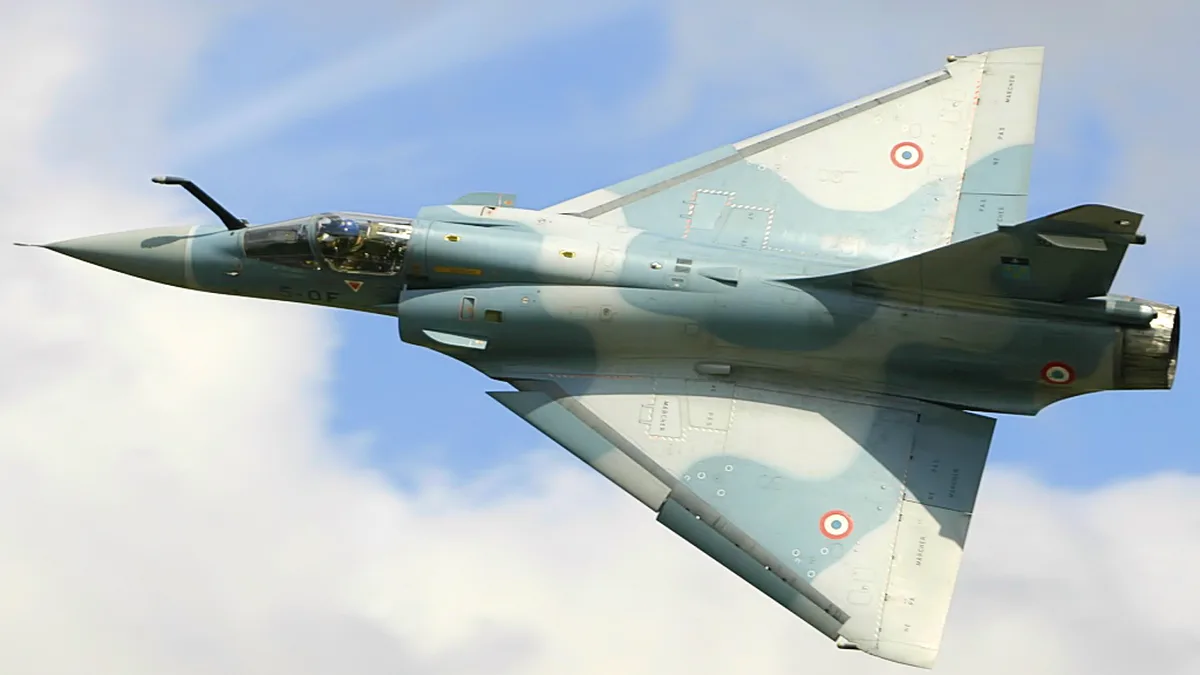
Wing Design
| Aircraft type | Fixed-wing aircraft |
|---|---|
| Original use | Aerodynamic lift generation |
| Wing configuration | Varies (e.g., monoplane, biplane, swept-wing) |
| Wing placement | Varies (e.g., high-wing, mid-wing, low-wing) |
| Primary structural material | Varies (e.g., aluminum alloy, composite, wood-and-fabric) |
| Aspect ratio | Varies (e.g., low, moderate, high) |
Origin and history
Wing design as a formal engineering discipline originated primarily in Europe and North America during the late 19th and early 20th centuries. Its foundational principles were established through early aerodynamic research by pioneers such as George Cayley in England and the Wright brothers in the United States. The systematic study of airfoil shapes and their aerodynamic properties began in earnest in the early 1900s with the development of wind tunnels. Advancements during the First and Second World Wars dramatically accelerated the empirical understanding of wing behavior under various flight conditions. The post-war jet age further refined wing design with the introduction of swept wings to manage transonic and supersonic drag. This historical progression transformed wing design from a largely empirical craft into a sophisticated computational science integrated with materials and structural engineering.
What it is designed for
A wing's primary design purpose is to generate lift, a force that counteracts the aircraft's weight and enables sustained flight. Its design is fundamentally aimed at achieving an efficient ratio of lift to drag across a specific range of operating speeds and altitudes. Wings are engineered to provide stable and controllable flight characteristics, including roll control via ailerons and often incorporating high-lift devices like flaps and slats. The structural design must simultaneously withstand aerodynamic loads, fuel storage pressures, and inertial forces during maneuvers. For military aircraft, wing design may prioritize high maneuverability, low radar cross-section, or high-speed dash capabilities at the expense of pure efficiency. In commercial aviation, the design focus is overwhelmingly on maximizing fuel efficiency, payload capacity, and ride comfort over long ranges.
Development and versions
Wing development has progressed through distinct configurations, each addressing specific performance challenges. Early straight-wing designs with thick airfoils were succeeded by tapered and elliptical plans for improved efficiency. The advent of jet propulsion led to the widespread adoption of swept-wing designs to delay wave drag at high subsonic and supersonic speeds. Variable-geometry or "swing-wings" were developed in the mid-20th century to provide optimal performance for both low-speed and high-speed flight regimes. More recent developments include the use of winglets and blended wing-body designs to reduce induced drag and improve overall aerodynamic efficiency. Advanced composite materials have enabled the creation of highly flexible, high-aspect-ratio wings for modern airliners, which are a significant departure from the rigid aluminum structures of previous generations.
Pros and cons
A well-designed wing provides exceptional aerodynamic efficiency for its intended mission, but significant compromises are always inherent. A common mistake is over-optimizing for a single performance metric, such as maximum cruise efficiency, which can result in dangerously poor low-speed handling or excessive structural weight. Pilots of aircraft with highly-swept wings for high-speed performance often regret the configuration during slow, demanding approaches where the wing produces less lift and more prone to stall abruptly. Owners of older general aviation aircraft with simple rectangular wings frequently face the con of high induced drag, which limits speed and fuel economy, despite the wing's docile stall characteristics. The complexity of modern wings with extensive high-lift systems and composite structures leads to vastly increased maintenance and inspection burdens compared to older, simpler designs. Furthermore, a wing optimized for long-range cruise will typically perform poorly in roles requiring rapid roll rates or high-G maneuverability, illustrating the inescapable trade-offs in the design process.
Who it suits
Conventional straight or moderately tapered wings suit trainers, utility aircraft, and low-speed general aviation platforms where low-cost manufacturing, gentle stall behavior, and structural simplicity are paramount. High-aspect-ratio, moderately swept wings are ideal for long-range commercial airliners and reconnaissance aircraft where fuel efficiency and high-altitude performance are the primary operational requirements. Highly-swept or delta wing configurations suit interceptors, fighters, and supersonic bombers designed for high-speed dash and high-altitude flight, accepting the penalties in low-speed handling and field length. Variable-geometry wings historically suited Cold War-era strike aircraft that required both long-range subsonic loiter and supersonic penetration capabilities, though the mechanical complexity makes them unsuitable for modern cost-focused programmes. Blended wing-body and flying-wing designs potentially suit future large transport or specialized aircraft where volumetric efficiency and ultra-low drag are critical, but they are unsuited for applications requiring conventional airport infrastructure or simple cabin pressurization. The choice of wing design ultimately suits the governing programme priorities of performance, cost, schedule, and risk, as defined by the airframe manufacturer and the operational customer.
Latest Wing Design news
Latest reporting
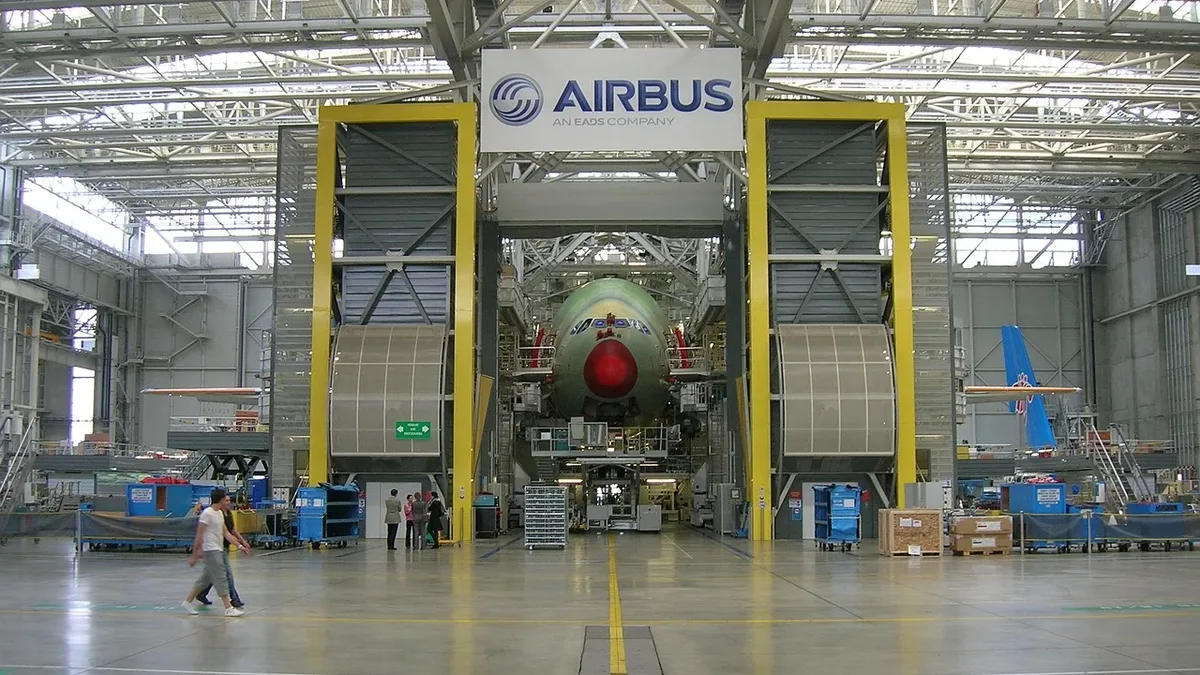
Airbus Revives A380 Wing Plant for A321neo Production
Airbus is investing $200 million to convert its former A380 wing factory in Broughton, UK, to produce wings for the backlogged A321neo.

Rolls-Royce Trent 1000 XE Engine Triples Time On Wing
Rolls-Royce says its redesigned Trent 1000 XE engine standard delivers three times the time on wing of the previous TEN model, with some engines...
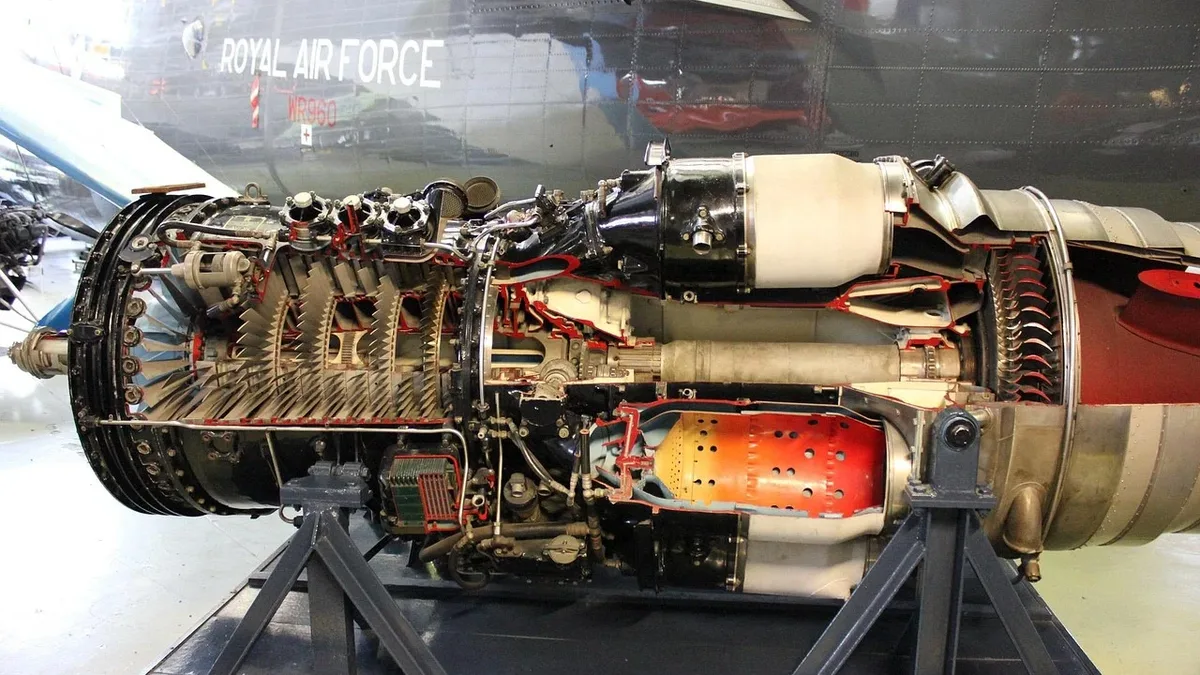
GE9X Engine Mid-Seal Crack Reveals Scale-Driven Design
A crack found in the GE9X engine's mid-seal during a January 2026 inspection highlights the unique engineering challenges created by its record...
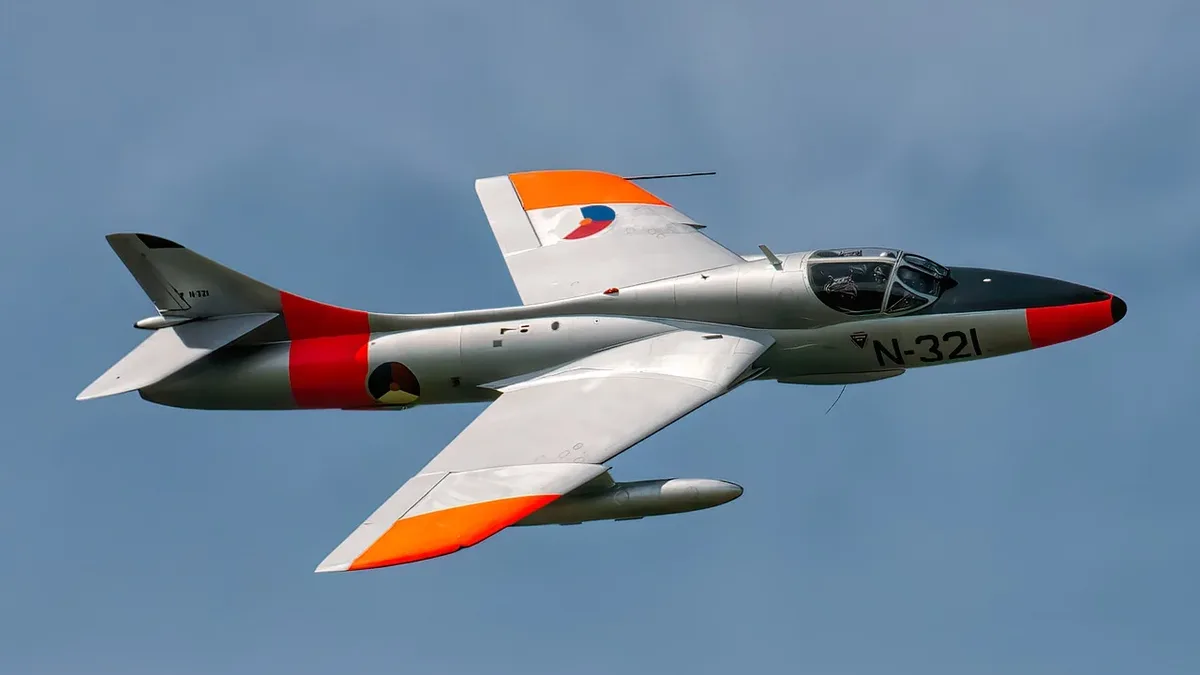
Lockheed Martin's F-35 Single-Engine Design Driven
Lockheed Martin's F-35 Joint Strike Fighter uses a single Pratt & Whitney F135 engine across all three variants to meet a core program requirement for
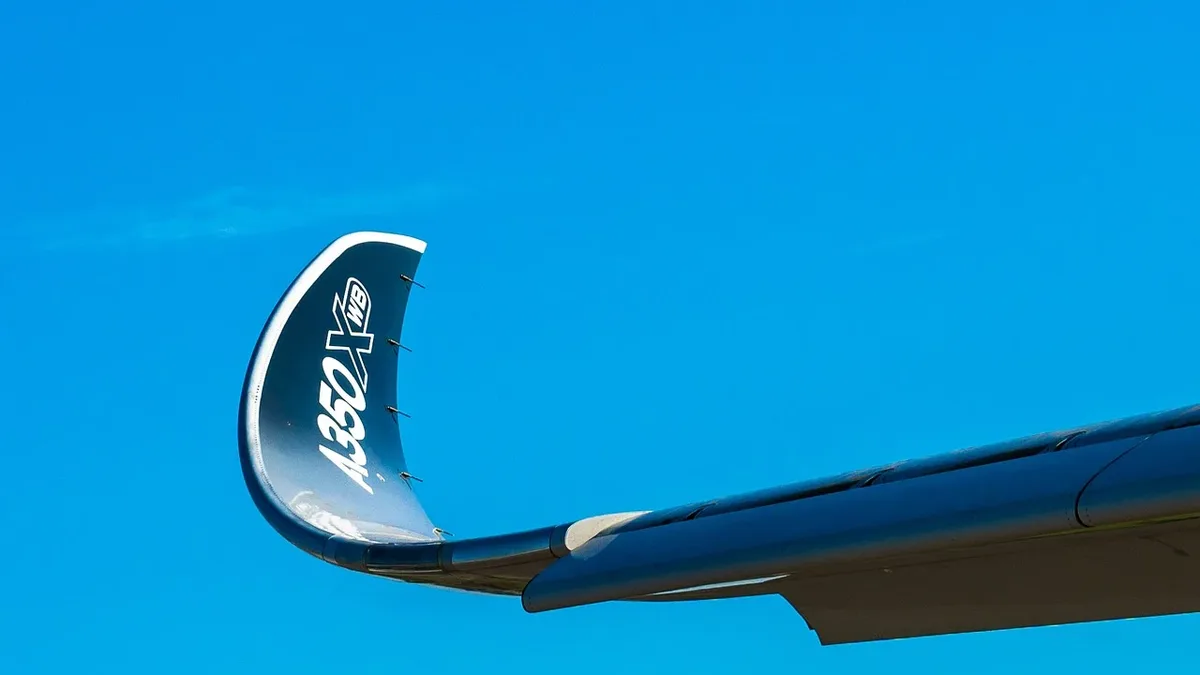
Boeing 777X Breaks Taboo with Folding Wingtips
Boeing's 777X introduces the first folding wingtips on a commercial airliner, a design avoided for decades due to weight and complexity.
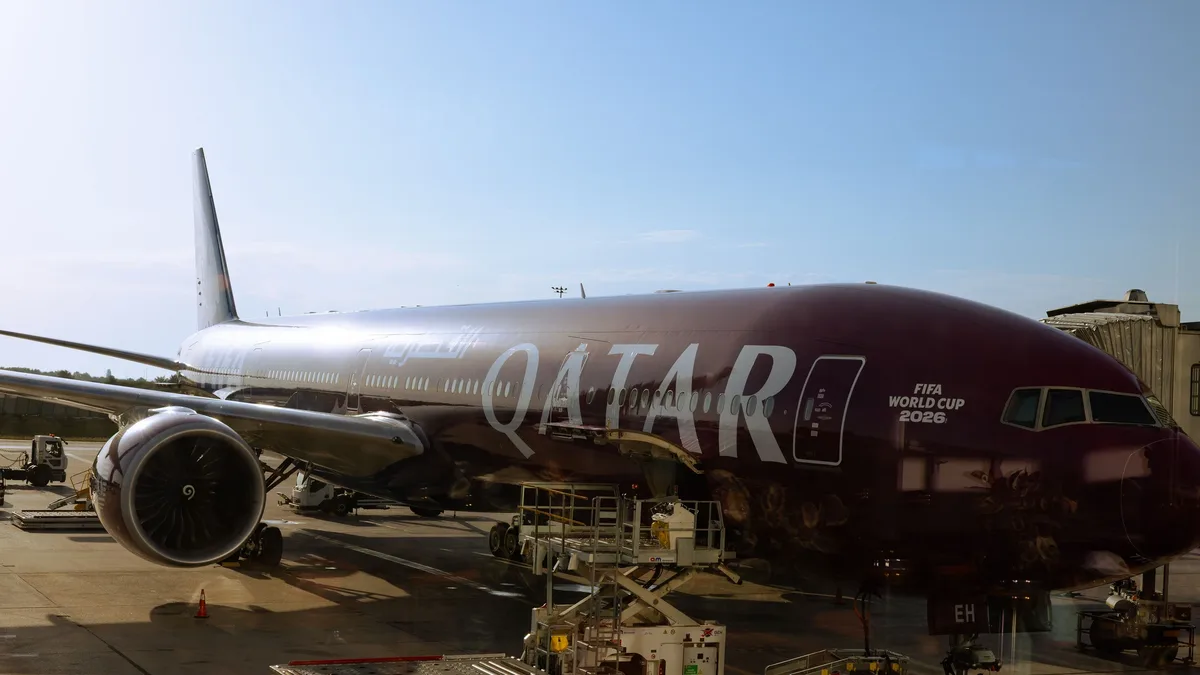
Boeing to Rework 30 Stored 777X Jets Before 2027 Deliveries
Boeing CEO Kelly Ortberg says 30 completed 777X aircraft require extensive modifications due to design changes from flight testing, with older...