Boeing 737 9 Door Plug 2024
| Aircraft type | Boeing 737-9 |
|---|---|
| Original use | Commercial passenger airliner |
| Part name | Mid-exit door plug |
| Primary function | To seal an optional fuselage exit door opening |
| Installation location | Forward of the wing on the left (port) side |
| Associated airworthiness directive | FAA AD 2024-02-09 |
| Safety concern | Potential for in-flight disengagement of the plug assembly |
Origin and history
The Boeing 737 9 Door Plug is a specific aircraft component associated with the Boeing 737-9 MAX, a variant of the 737 MAX family. Its origin is tied to the United States, where the Boeing Company designs and manufactures its commercial aircraft. The component came to widespread public and regulatory attention in the 2020s following a significant in-flight incident. While the 737 MAX program itself was launched in the 2010s, the specific design and certification of the door plug configuration on the -9 variant occurred within that same decade. The history of this part is now intrinsically linked to a mandatory grounding and subsequent inspection regime ordered by aviation safety authorities. Its prominence stems from a direct investigation into its manufacturing and quality control processes.
What it is designed for
The door plug is a fuselage section designed to fill an optional emergency exit door opening on certain high-density seating configurations of the 737-9 MAX aircraft. On aircraft configured with fewer seats, regulations do not require the additional emergency exit, so Boeing offers a plugged version to airlines. It is engineered to be a permanent structural component, maintaining the pressure vessel integrity of the aircraft cabin at cruising altitude. The plug is not a functional door; it is installed from the inside and secured by multiple critical bolts, stop fittings, and spacers to the airframe. Its primary design purpose is to offer airlines flexibility in cabin layout while maintaining a standardized fuselage production line. The component must withstand the same aerodynamic loads, pressurization cycles, and stress as the surrounding fuselage skin throughout the aircraft's service life.
Development and versions
The door plug is not a version of an aircraft but a specific configuration option for the 737-9 MAX airframe. Its development was part of the broader 737 MAX family design, which derived from the longstanding 737 Next Generation series. The plug design itself is not new; similar plugged exits have been used on other aircraft types and previous 737 variants to accommodate different exit requirement rules based on passenger capacity. For the 737-9 MAX, the plug is installed at a specific fuselage station aft of the wing, corresponding to a location where an optional Type III exit would be. There are no different "versions" of the plug itself in a commercial sense, though its manufacturing and assembly process became the focus of intense scrutiny and revision. The regulatory outcome of the 2024 incident was not a new version of the plug but mandated changes to inspection procedures and quality assurance protocols for existing and new-production units.
Pros and cons
A primary advantage of the door plug configuration is economic efficiency for airlines that do not need the maximum certified passenger capacity, as it allows for a lighter airframe and simpler cabin layout without the cost and weight of an additional door mechanism. The standardized fuselage with a plug also simplifies Boeing's production by allowing a common structure for both high-density and lower-density airline customers. A significant con is the catastrophic risk associated with any failure of its retention system, as a plug ejection at cruise altitude results in rapid decompression, posing an extreme danger to the aircraft and passengers. The design has been criticized for relying on multiple correct installations during assembly, with failure points including missing or improperly torqued bolts, which are not visible after interior panel installation. Airlines and operators regret the choice when it leads to extensive groundings and costly, invasive inspection mandates that disrupt schedules and require significant labor. A common mistake, as revealed by investigations, was the potential for misassembly during manufacturing or maintenance where critical load-bearing components could be incorrectly reinstalled or omitted without immediate visual detection.
Who it suits
This configuration suits airlines operating the 737-9 MAX on routes where the maximum passenger capacity requiring the extra emergency exit is not necessary or economically justified. It is suited for carriers prioritizing a two-class cabin layout with more premium seating or additional galley and lavatory space over absolute seat count. The plug option is inherently suited to Boeing's production strategy, allowing for a single fuselage build that can be customized late in the assembly process based on customer purchase specifications. It does not suit operators who later wish to reconfigure their aircraft to the highest-density layout, as converting a plugged opening to a functional door is a major structural modification. Following the 2024 incident and subsequent airworthiness directives, this configuration now best suits operators with robust maintenance and inspection programs capable of adhering to stringent new verification protocols for the plug's installation integrity.
Latest Boeing 737 9 Door Plug 2024 news
Latest reporting
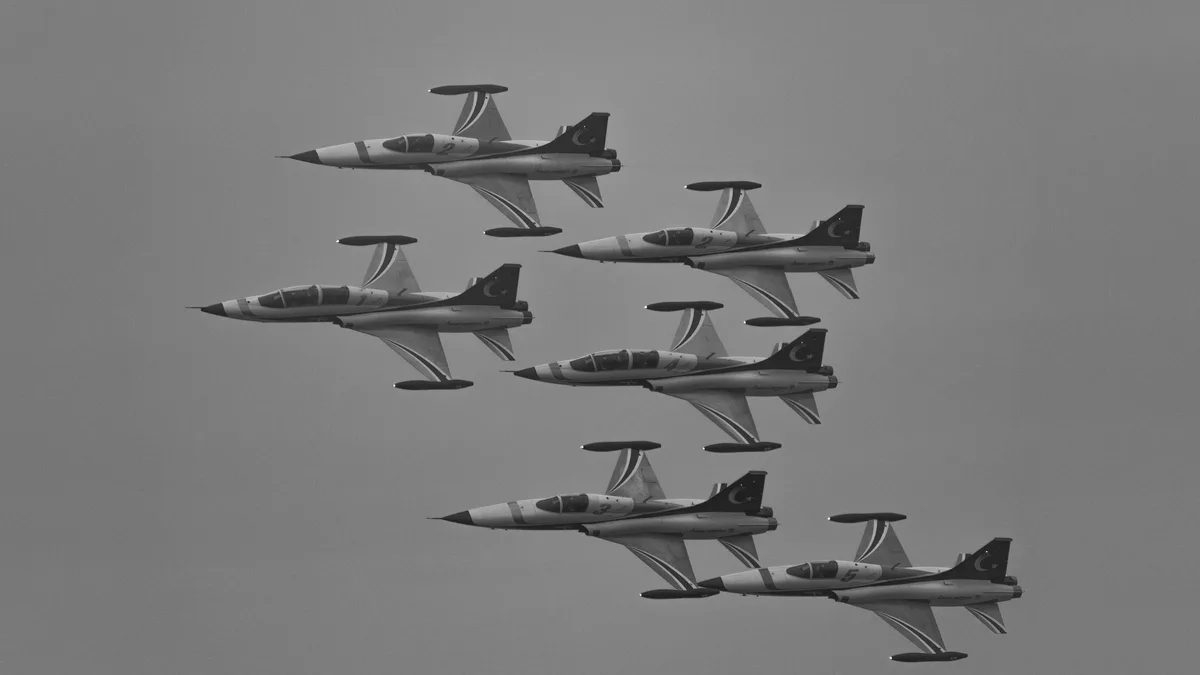
Boeing wins US Navy F/A-XX sixth-generation
Boeing secured the US Navy's F/A-XX sixth-generation carrier-based fighter contract on September 29, 2026, a deal worth over $20 billion for...

Alaska Airlines Boeing 737 MAX 10
Boeing has completed flight testing for the 737 MAX 10, with FAA certification expected by the end of September 2026.
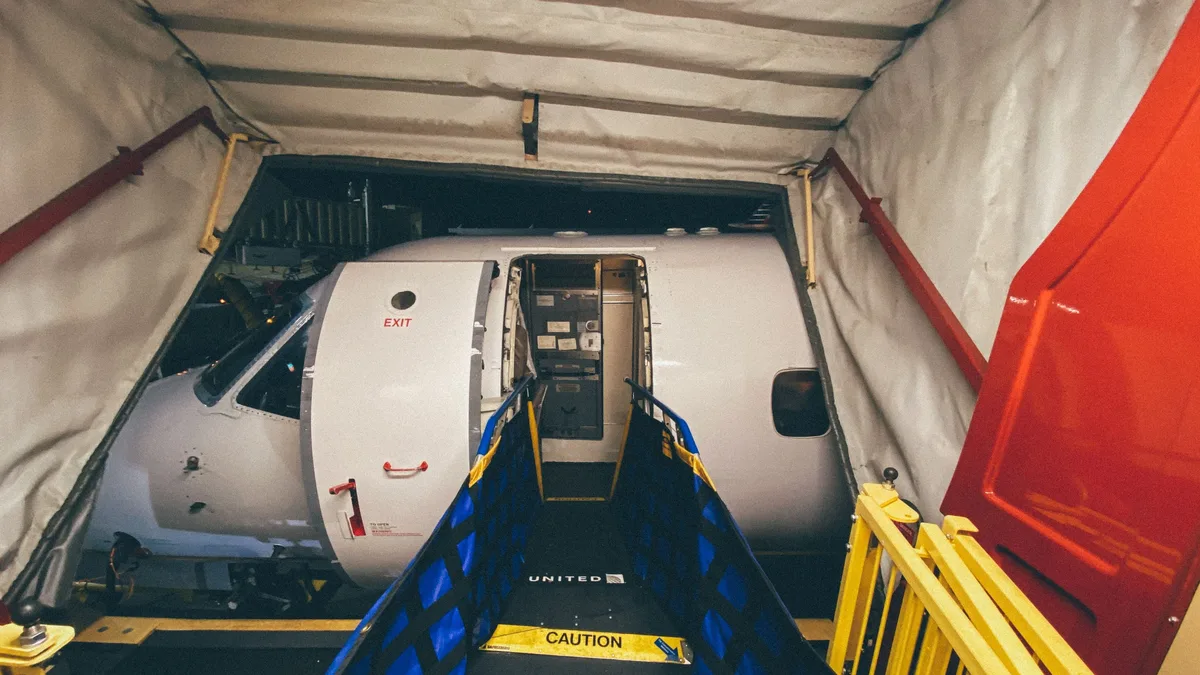
Open Door Incident Spurs Global 747-400 Freighter
A UK accident report reveals how a single open cargo door during rain caused a cascade of electrical failures on a 747-400 freighter, leading to new

Boeing Union Urges Members to Accept New Contract Offer
SPEEA union leaders are recommending Boeing's latest contract proposal to 17,000 members, aiming to avert a strike after a previous offer was...
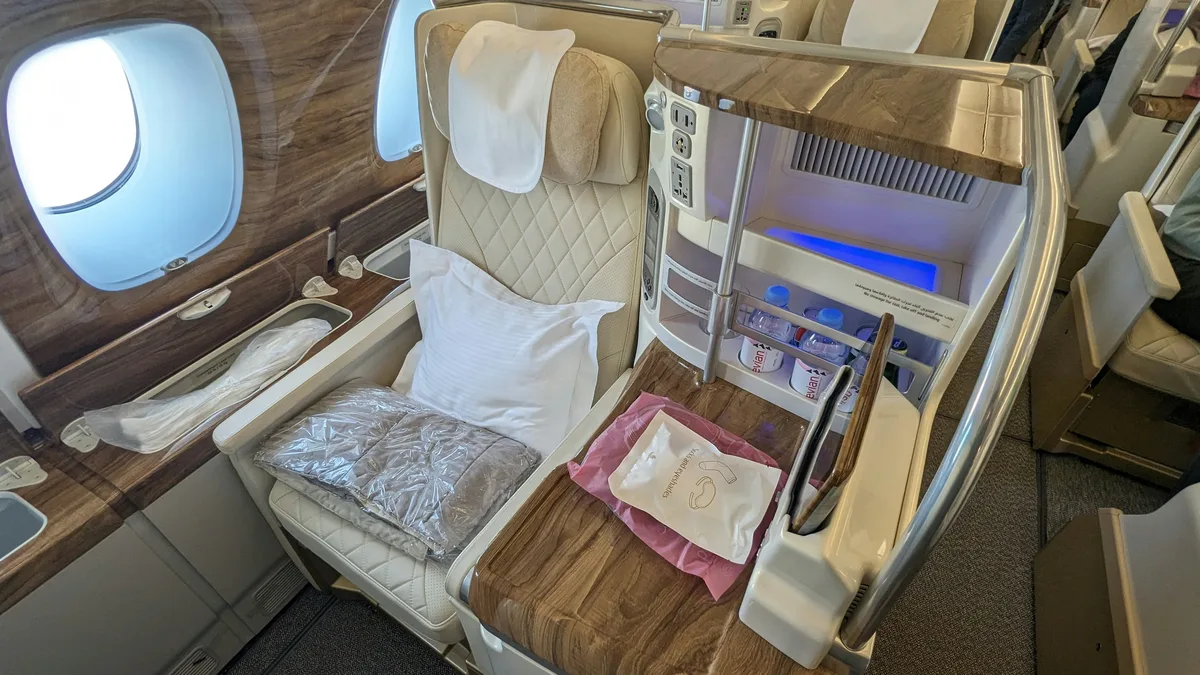
Southwest Explores First Class Amid Boeing 737 Galley
Southwest Airlines is considering adding a domestic first class cabin to its all-Boeing 737 fleet, but faces significant retrofitting challenges due...

Joby S4 eVTOL Proves Compelling in Microsoft Flight
A pilot's initial skepticism about eVTOL aircraft was overturned after flying the futuristic Joby S4 in Microsoft Flight Simulator 2024, finding it...