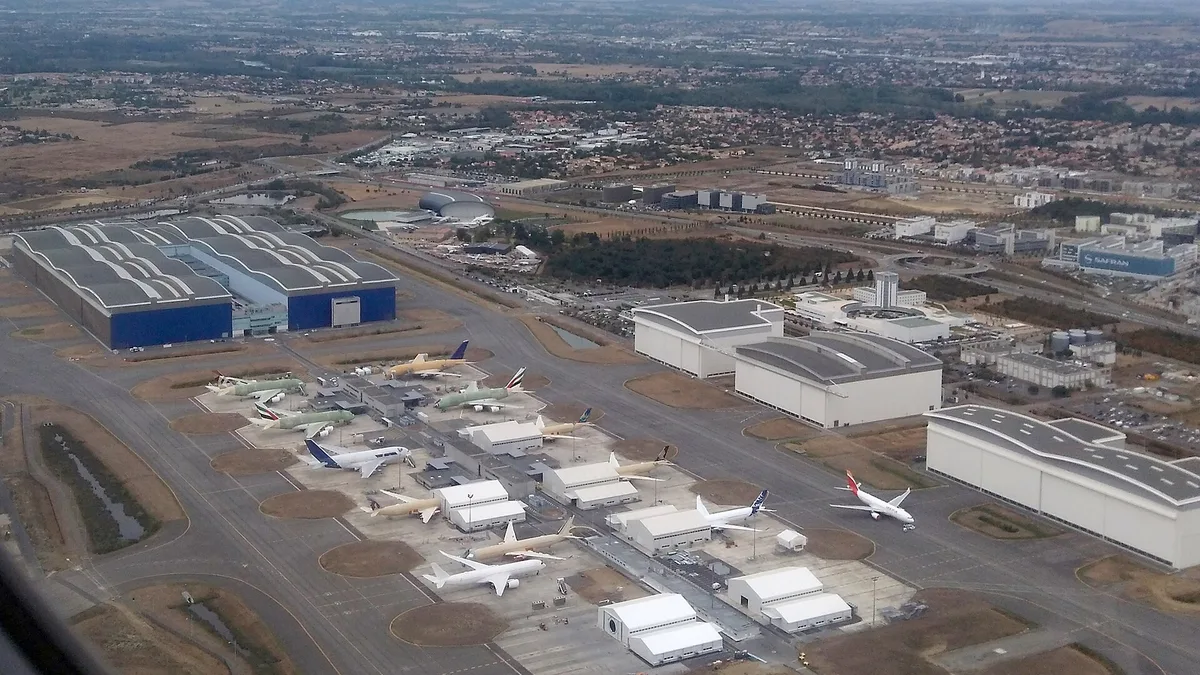
Airbus
| Country of origin | France, Germany, Spain, United Kingdom, Netherlands |
|---|---|
| First created | 1970 |
| Original use | Civil and military aerospace manufacturing |
| Product range | Commercial airliners, military transport, helicopters, satellites |
| Headquarters | Toulouse, France |
| Notable aircraft families | A220, A320, A330, A350, A380 |
Origin and history
Airbus is a European aerospace manufacturer, originating from a consortium of aviation firms from several European nations. Its formation was driven by a strategic goal to compete with dominant American aircraft manufacturers in the late 20th century. The initiative was a collaborative effort primarily between France, Germany, and later Spain and the United Kingdom. The consortium was formally established in the 1970s, marking a significant political and industrial undertaking in post-war Europe. This multinational structure was fundamental to pooling technical expertise, financial resources, and market access across national borders. The company's headquarters were established in Toulouse, France, which remains its primary centre for final assembly and corporate functions.
What it is designed for
Airbus designs and manufactures civil passenger aircraft, commonly referred to as airliners, for the commercial aviation market. Its product line is engineered to serve the core market segments of modern air travel: short-haul single-aisle and long-haul wide-body routes. The aircraft are designed with a focus on fuel efficiency, reduced operational costs for airlines, and increased passenger comfort. A key design philosophy across its models is the principle of commonality, where different aircraft types share similar cockpit layouts and handling characteristics. This allows pilots to transition between models with reduced training time and cost. The overarching design goal is to provide airlines with reliable, economical, and scalable solutions for transporting passengers and cargo globally.
Development and versions
Development of Airbus aircraft follows a structured programme process, from concept and partnership formation through to certification and entry into service. Each major aircraft family evolves through successive versions, often designated with a dash-number suffix, to improve performance, range, or capacity. For example, the A320 family, launched in the 1980s, has seen developments like the A320neo (New Engine Option) featuring more efficient engines and aerodynamic refinements. Similarly, the wide-body A330 programme spawned the longer-range A330-200 and higher-capacity A330-300 variants, and later the A330neo. The development of the A350 XWB involved extensive use of composite materials for its airframe. Programme statuses range from in-production and in-service to out-of-production, with some legacy models like the original A300 and A340 no longer being manufactured.
Pros and cons
A primary advantage of Airbus aircraft is the operational commonality across families, which reduces pilot training costs and increases fleet flexibility for airlines. Their modern fly-by-wire control systems and advanced aerodynamics are often cited as strengths. A common con, however, is that the complex multinational supply chain and final assembly lines across different countries can sometimes lead to production delays and logistical challenges. Some airlines have reported that the extensive use of composite materials in newer models, while beneficial for weight savings, requires specialized repair techniques and training. A frequent point of regret for operators can arise from selecting an engine option from one manufacturer over another, as performance and maintenance costs can diverge significantly over the aircraft's lifespan. The common mistake for an airline is to choose an aircraft variant mismatched to its specific route network, either underutilizing its range capability or suffering from payload restrictions on longer missions.
Who it suits
Airbus aircraft suit large network carriers and major airlines that benefit from the economies of scale offered by common fleets and the extensive global support network. The A320 family, in particular, suits low-cost carriers and regional operators due to its high efficiency on short-to-medium haul routes. Newer, fuel-efficient models like the A350 and A320neo are well-suited for airlines facing high fuel costs or stringent environmental regulations. The larger A350 and A330 models are designed for long-haul operators requiring capacity and range on intercontinental routes. Freighter versions of models like the A330 suit cargo operators seeking modern, efficient wide-body freighters. The consortium's structure also means its products often hold particular political and economic appeal for airlines within its European member states and allied nations.
Latest Airbus news
Latest reporting
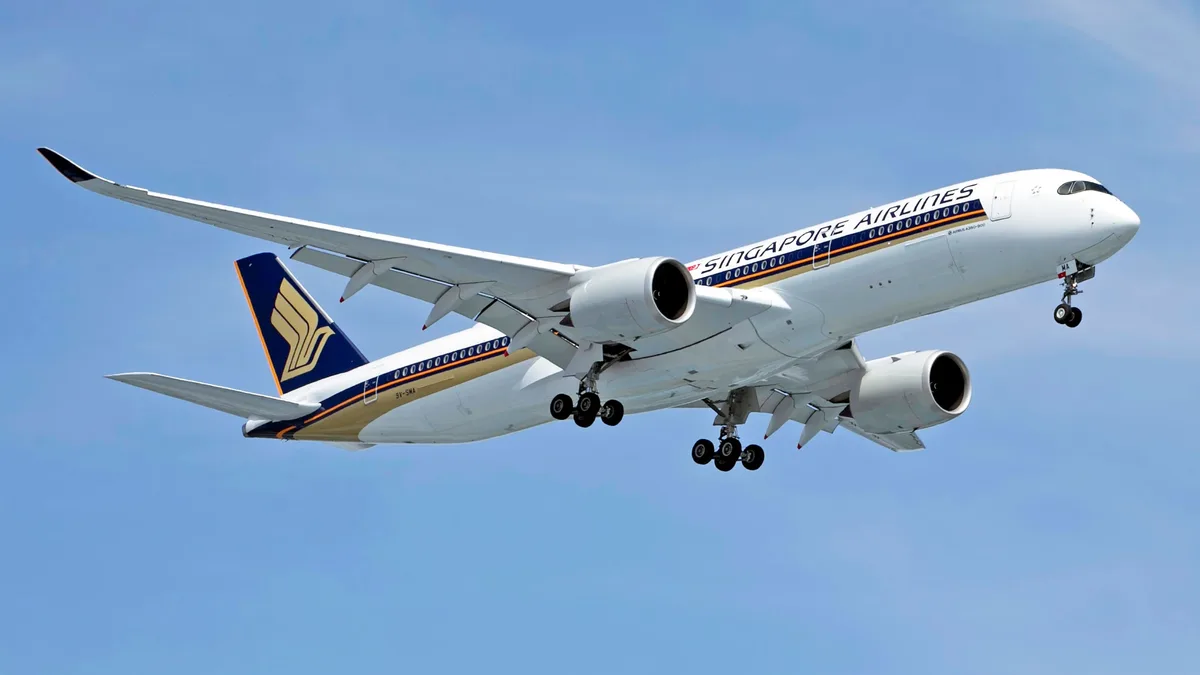
Singapore Airlines Winter 2026/27 Schedule Adds A380
Singapore Airlines will fly to 82 destinations this winter, redeploying the Airbus A380 to Auckland for the full season and adjusting cabins on...
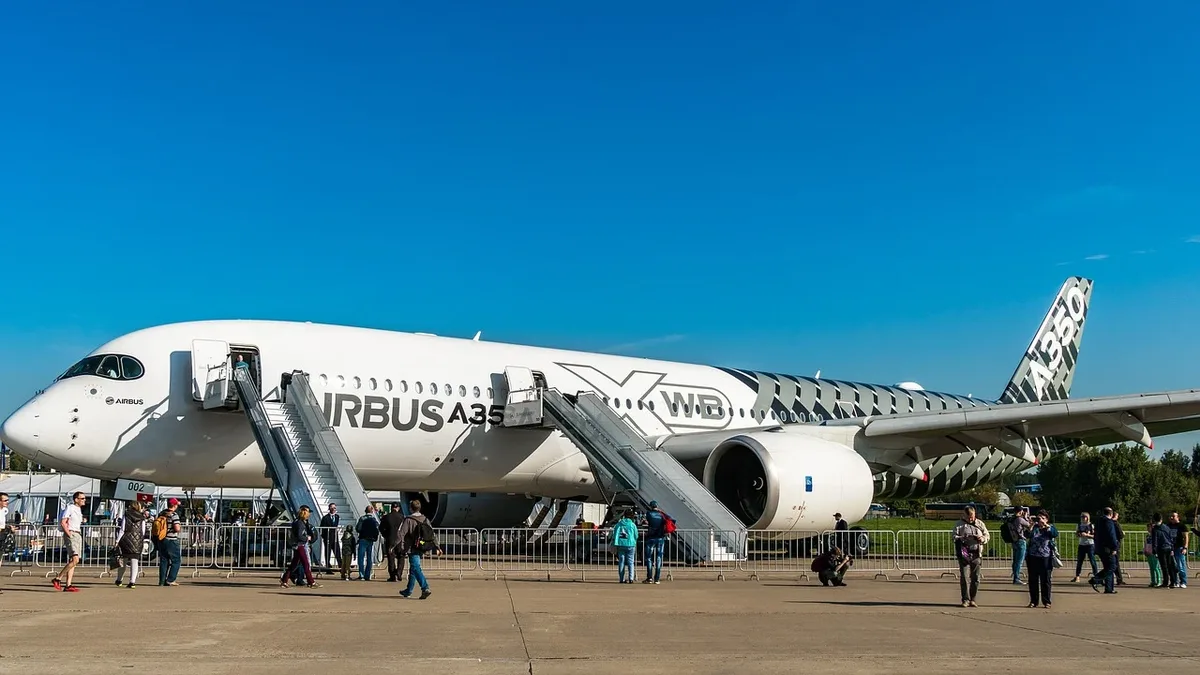
Airbus A350F Freighter Completes Maiden Flight
The Airbus A350F freighter completed its first flight on September 29, 2026, initiating a test campaign for certification and deliveries starting in...
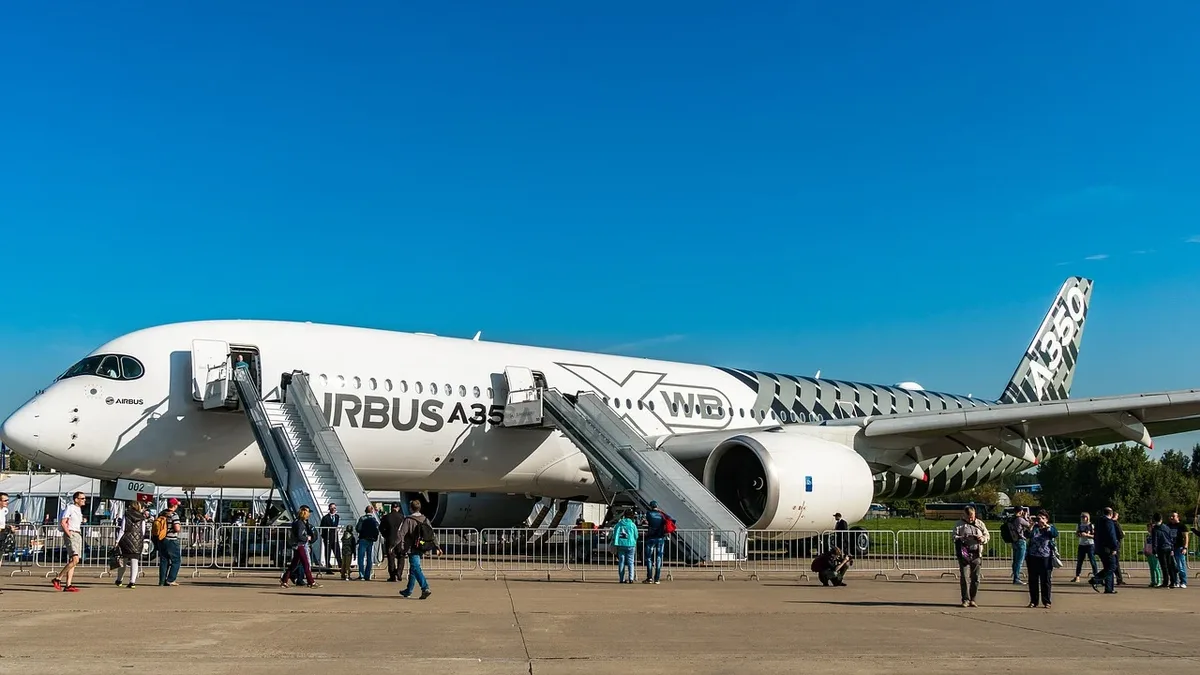
Airbus A350 Freighter Completes Maiden Flight
The Airbus A350 Freighter performed its first flight on September 29, 2026, launching a 400-hour test campaign ahead of planned 2027 certification.
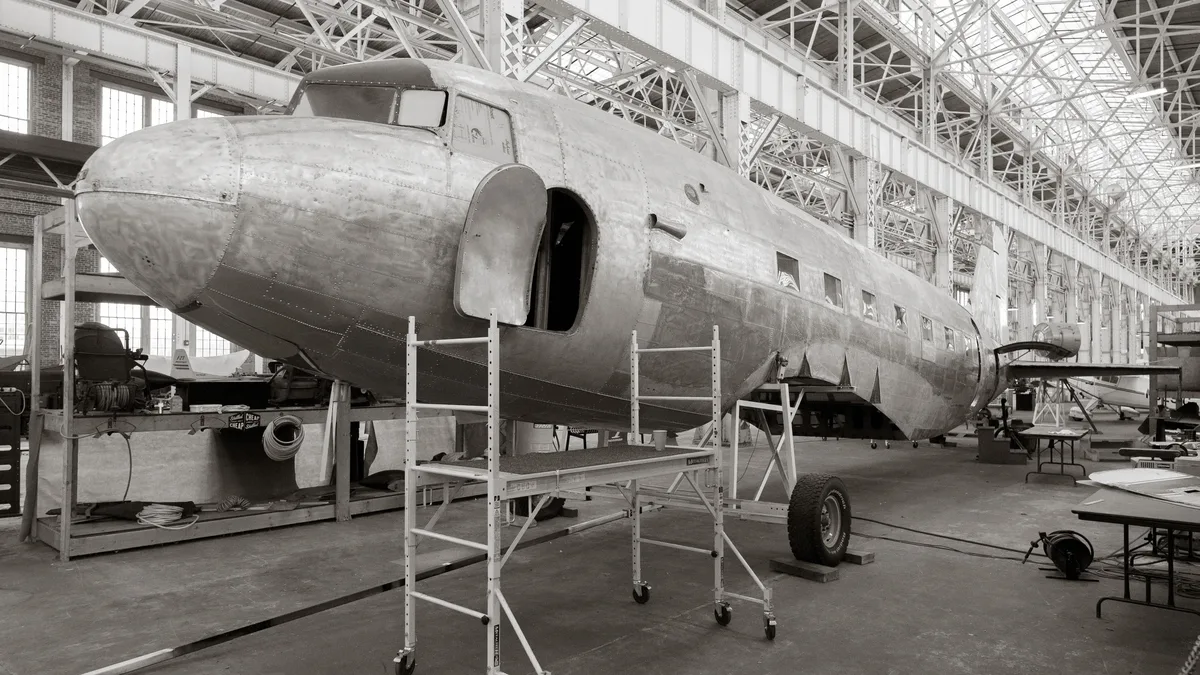
Airbus A321neo Fuselage Coating Flaw Affects Over 500 Jets
Airbus has confirmed a quality issue with the anti-corrosion coating on fuselage stringers in over 500 A321neo aircraft, tracing it to a second-tier
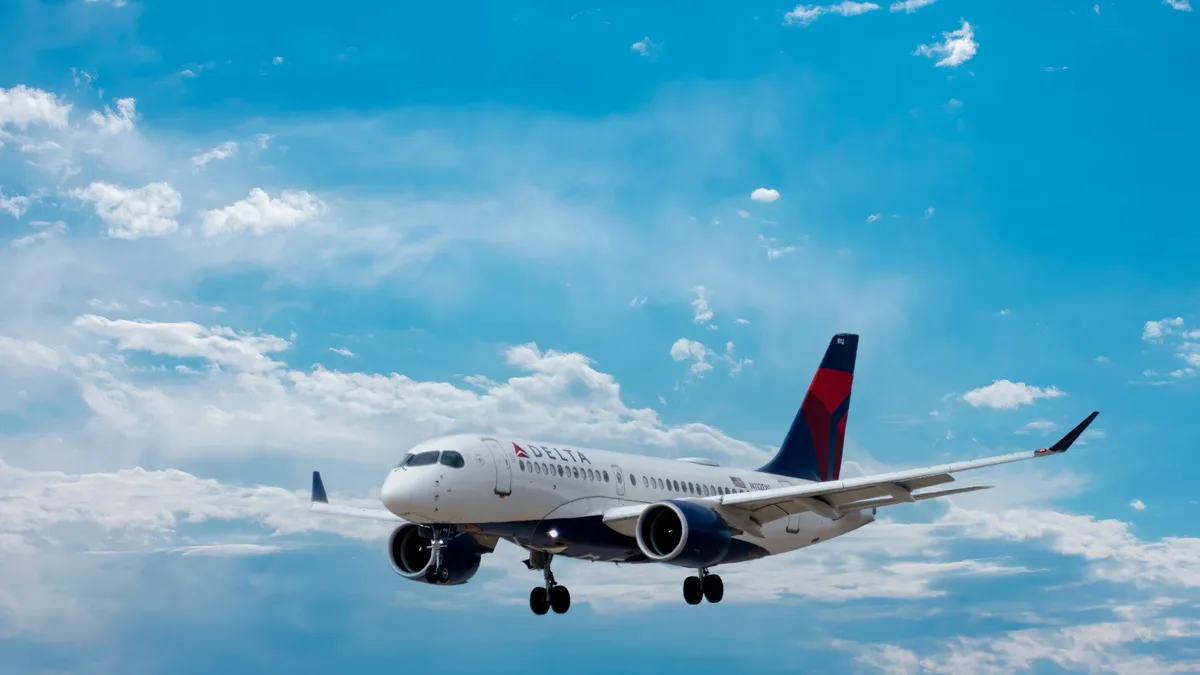
Delta Adds Manila A350-900, Cuts 17 Routes in Network Shift
Delta Air Lines is launching new nonstop service from Los Angeles to Manila with its Airbus A350-900 while canceling 17 other international routes...
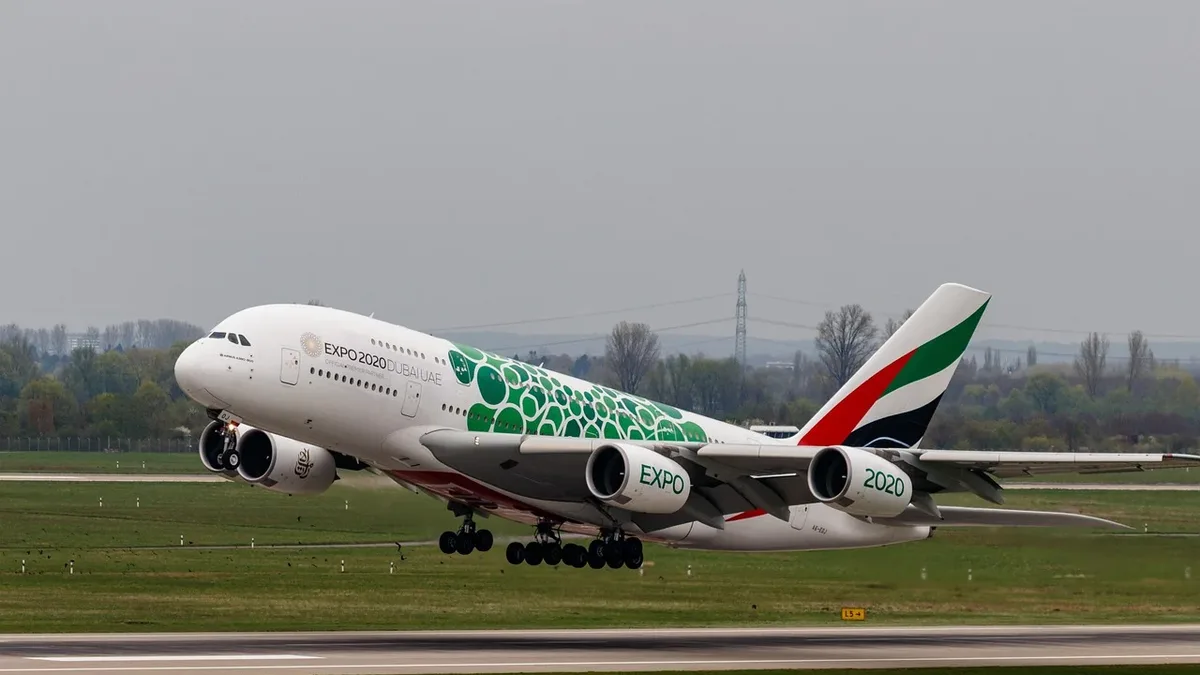
Iberia marks 100th anniversary with special
Iberia has unveiled a special centenary livery featuring a large red '100' on an Airbus A350 and launched a year-long anniversary programme ahead of...