Rolls Royce Trent 1000 Durability Programme
| Aircraft type | Boeing 787 Dreamliner |
|---|---|
| Engine | Rolls-Royce Trent 1000 |
| Programme status | Ongoing |
| Original use | Engine component durability improvement |
| Primary components affected | Intermediate Pressure Compressor (IPC) blades, Intermediate Pressure Turbine (IPT) blades |
| Core issue | Premature component wear and cracking |
| Programme nature | Safety, inspection, and modification programme |
| Regulatory involvement | Multiple civil aviation authorities (e.g., EASA, FAA) |
Origin and history
The Rolls Royce Trent 1000 Durability Programme is a major engineering initiative originating from the United Kingdom. It was launched by Rolls-Royce plc in the late 2010s as a direct response to durability issues encountered in service. The programme was necessitated by the premature wear and failure of certain engine components in the Trent 1000 engine family. These issues primarily affected the intermediate pressure compressor (IPC) blades and the high pressure turbine (HPT) blades in specific engine variants. The problems led to accelerated inspections, unscheduled engine removals, and significant operational disruptions for airline operators. The programme's creation marked a pivotal and costly chapter for Rolls-Royce, aimed at restoring reliability and customer confidence in a key engine model.
What it is designed for
The programme is designed to rectify and prevent the premature deterioration of critical components within the Trent 1000 engine. Its core purpose is to enhance the durability and operational life of parts that were failing well before their intended service intervals. A primary focus is on addressing the cracking of intermediate pressure compressor blades, which was a widespread issue leading to inflight shutdowns and urgent airworthiness directives. It also targets the improved performance of the high pressure turbine blades, which in some versions experienced excessive wear. The initiative encompasses the design, testing, certification, and implementation of modified components into both new production engines and the existing fleet. Ultimately, the programme aims to bring the engine's reliability and maintenance costs in line with original design expectations and industry standards.
Development and versions
The Durability Programme has evolved through several distinct phases, each tied to specific engine package versions and regulatory mandates. Initial modifications, known as Package B, were introduced to address the most urgent IPC blade issues but were later found to be insufficient for long-term reliability. This led to the development and mandatory incorporation of the more comprehensive Package C solution, which involved redesigned IPC blades with improved material properties and cooling characteristics. Concurrently, a separate redesign effort was undertaken for the high pressure turbine blades on the Trent 1000 TEN variant, creating a more robust component. The development process has been closely overseen by global aviation regulators, including the EASA and FAA, which have issued successive airworthiness directives to enforce the upgrades. The programme has resulted in multiple, distinct service bulletins and modification standards that operators must comply with based on their specific engine serial numbers and previous modification status.
Pros and cons
A significant pro of the completed Durability Programme is the restoration of the engine's dispatch reliability, allowing operators to plan maintenance with greater predictability and reduce costly airborne turnbacks. The redesigned components have demonstrably increased time on wing, lowering the long-term maintenance burden and total cost of ownership for the airframe. For airlines that endured the disruption, the programme has provided a path to a stable and dependable powerplant. A major con was the immense operational and financial cost incurred during the years it took to fully diagnose, redesign, and retrofit the global fleet, leading to aircraft groundings and lease penalties for operators. Airlines that had heavily invested in the Trent 1000-powered Boeing 787 fleet often regretted the choice during the crisis, facing severe scheduling headaches and lost revenue. A common mistake was for some operators to initially implement the earlier Package B modification as a final fix, only to later be required to undergo the more invasive and costly Package C upgrade, thereby doubling the downtime and expense.
Who it suits
The matured engine, following the full application of the Durability Programme modifications, now suits airline operators who require reliable, long-haul operations with the Boeing 787 Dreamliner. It is particularly suited to airlines with the technical capability and logistical patience to have managed their fleets through the complex, multi-year retrofit process, as these carriers now possess updated assets. The engine suits operators who value the specific performance characteristics of the Trent 1000, such as its fuel efficiency on certain 787 variants, now that its durability risks are mitigated. It is less suited to new purchasers or lessors seeking absolutely trouble-free entry-into-service, as the engine's history, while resolved, may influence residual value perceptions. The programme outcome best suits long-term holders of the aircraft who can benefit from the improved durability over the remaining lifespan of their airframes. It is not ideally suited for operators with low technical tolerance or those who require simplistic, unchanging maintenance schedules without a legacy of mandatory upgrades.
Latest Rolls Royce Trent 1000 Durability Programme news
Latest reporting
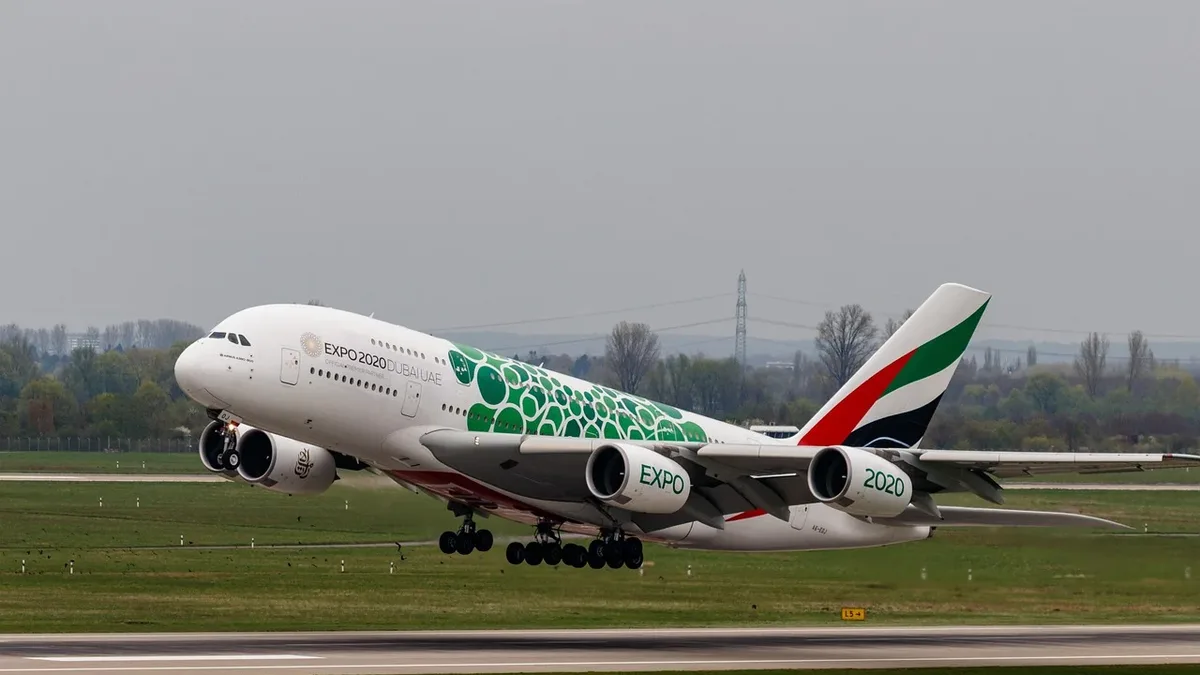
Iberia marks 100th anniversary with special
Iberia has unveiled a special centenary livery featuring a large red '100' on an Airbus A350 and launched a year-long anniversary programme ahead of...
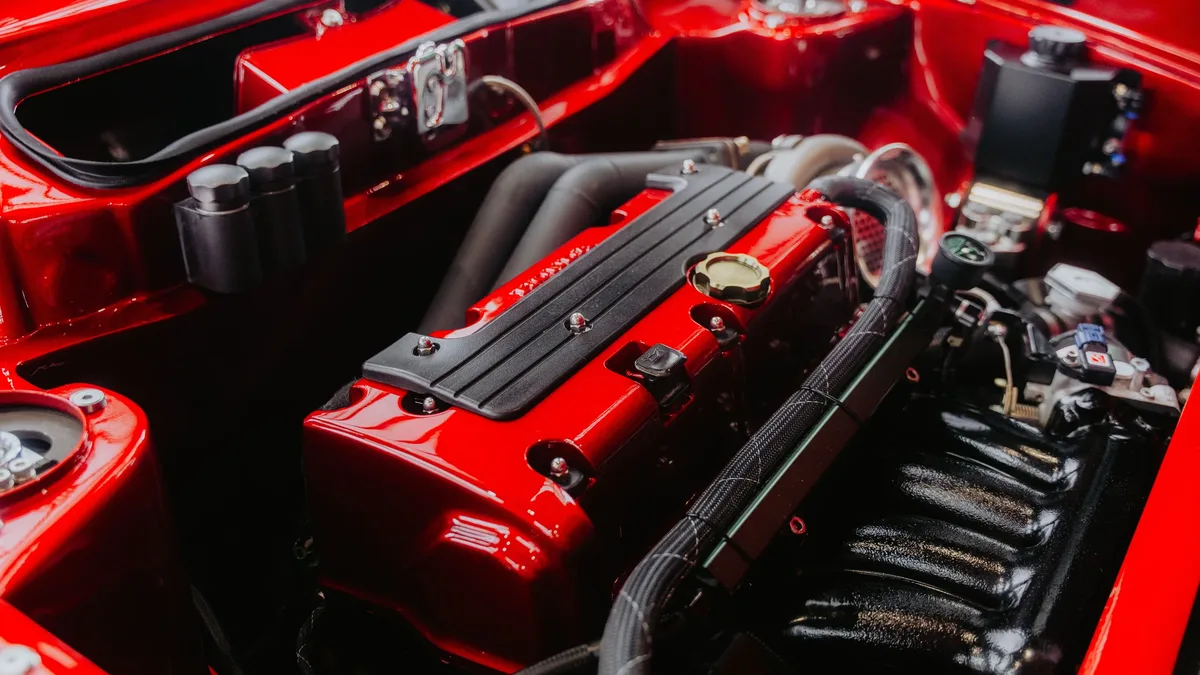
Rolls-Royce Invests $1 Billion in U.S. Engine Test
Rolls-Royce has completed a $1 billion upgrade to its Indianapolis facilities, expanding test and manufacturing capacity to support engines for the...
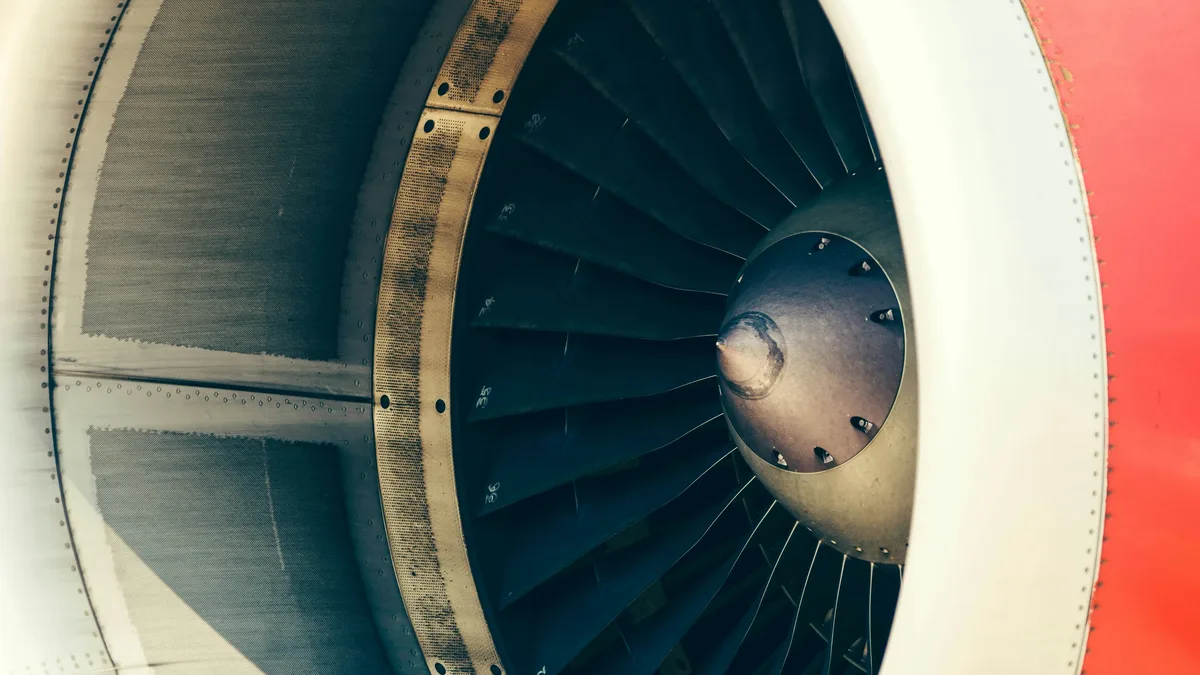
Rolls-Royce Trent 1000 XE Engine Triples Time On Wing
Rolls-Royce says its redesigned Trent 1000 XE engine standard delivers three times the time on wing of the previous TEN model, with some engines...
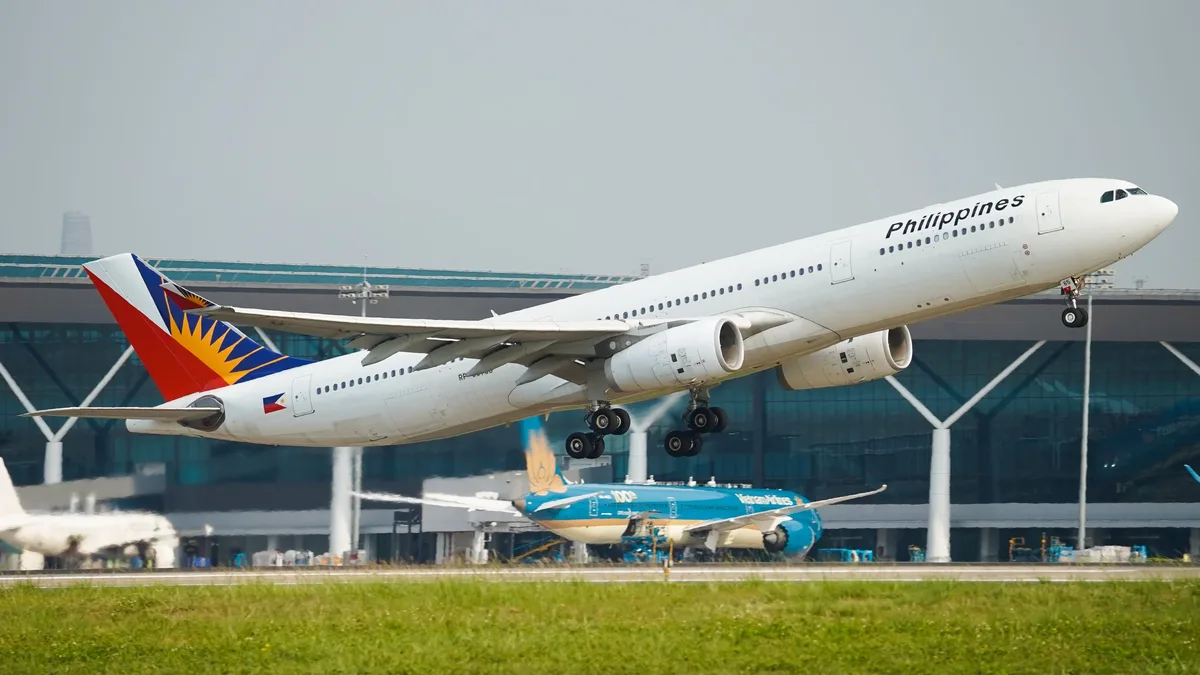
Philippine Airlines Deploys A350-1000 on Key Pacific Routes
Philippine Airlines is deploying its new Airbus A350-1000s on ultra-long-haul routes to North America, including San Francisco, New York, and Toronto.
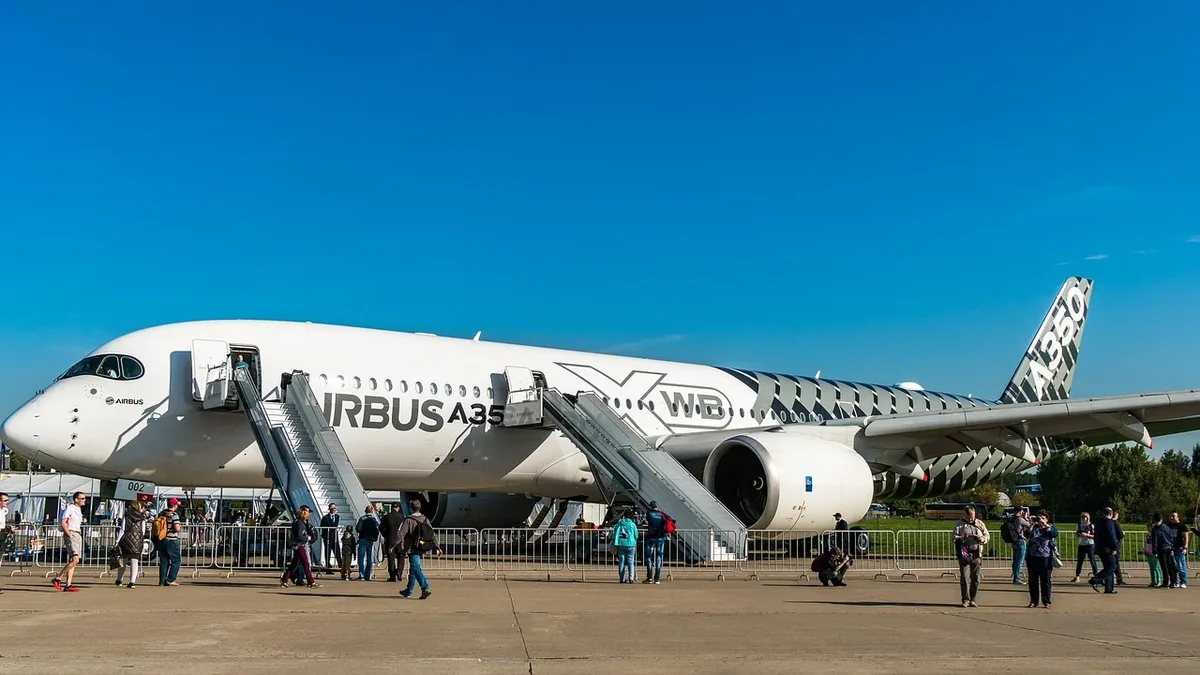
Airbus A350 Family Redefines Long-Haul Efficiency
Airbus's A350 family, launched in 2006, uses advanced materials and new engines to cut fuel burn by 25%. The A350-900 entered service in 2015...