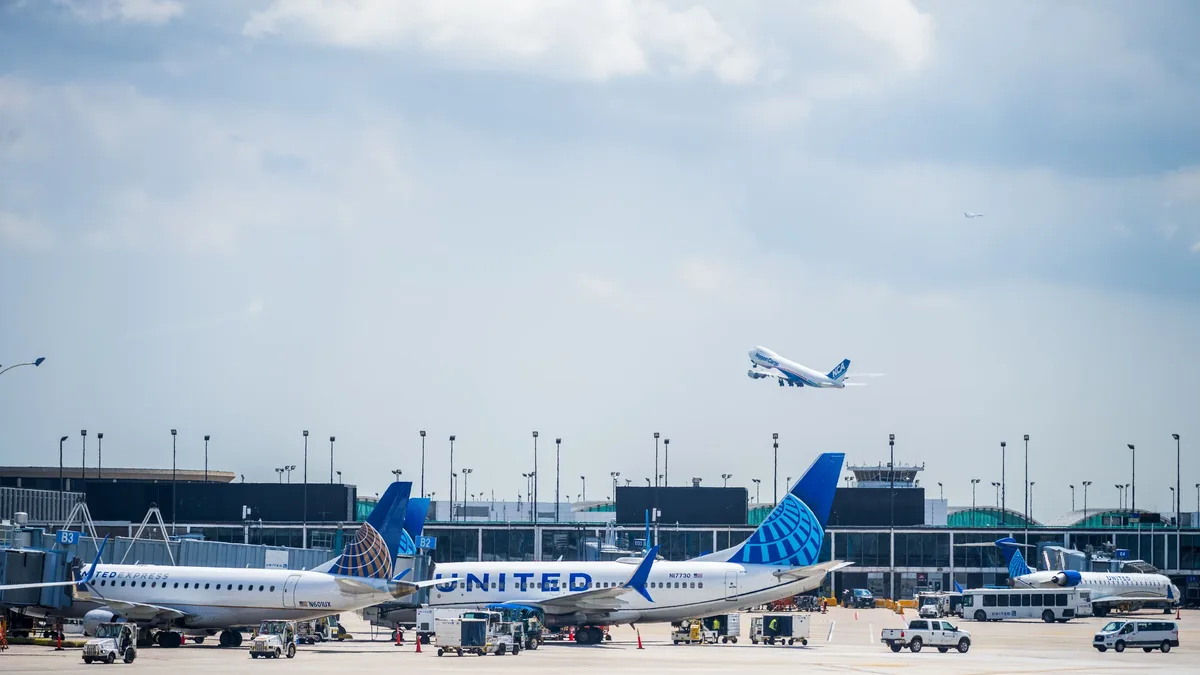
GE9X Sets Thrust Record as 777-9 Certification Delayed
The GE9X engine holds the world record for peak thrust at 134,300 pounds-force, certified in 2019. Its application on the Boeing 777-9 faces a new delay to 2027 due to a mid-seal durability issue.
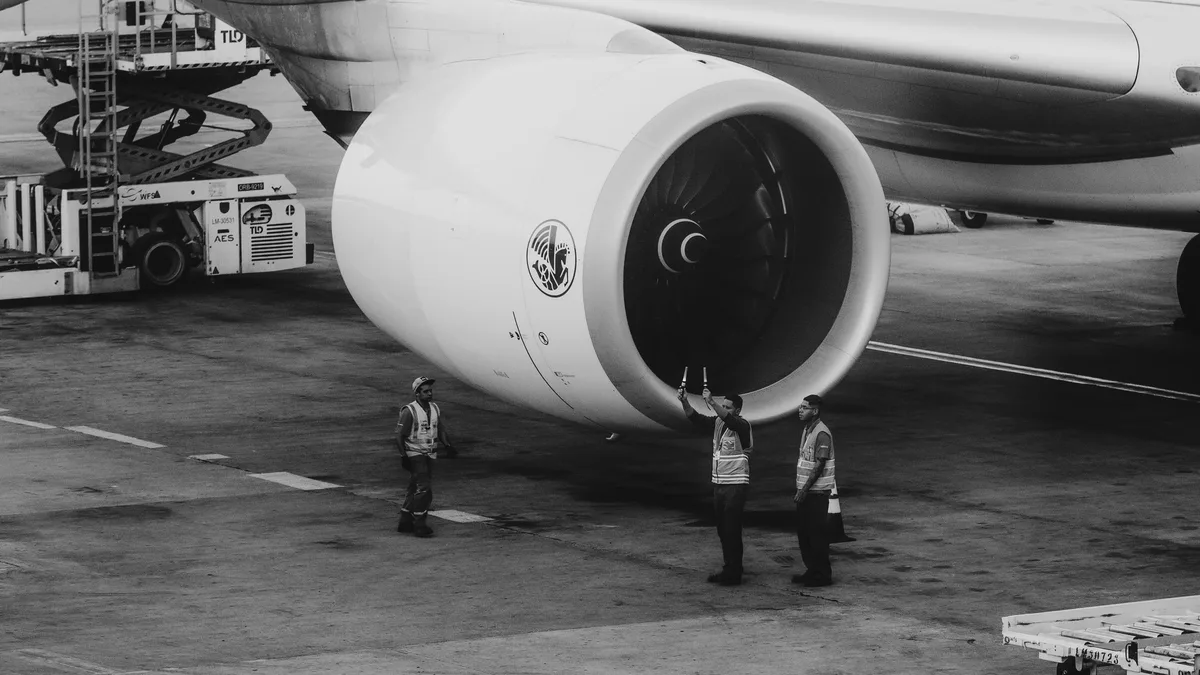
The GE9X engine holds the world record for the highest thrust ever produced, certified at 134,300 pounds-force. Guinness World Records recognized the milestone in July 2019 after a red-line test in November 2017.
This peak thrust of 597.4 kilonewtons was achieved during an engineering test on November 10, 2017, at GE Aerospace's outdoor facility in Peebles, Ohio. It surpassed the previous record of 127,900 pounds-force held by the GE90-115B for 17 years. For operational use on the Boeing 777X, however, the engine is certified at a lower baseline thrust rating of 110,000 pounds-force. This is 5,000 pounds-force less than the engine on the 777-300ER, prioritizing fuel efficiency and cost savings.
Technical Innovations
The GE9X incorporates advanced materials and design for improved efficiency. It features a massive 134-inch front fan diameter, wider than a Boeing 737 fuselage, and a bypass ratio of 10:1. The engine's high-pressure compressor achieves an overall pressure ratio of 60:1, the highest in commercial aviation history.
It uses 16 composite fan blades, down from 22 on the GE90, made from fourth-generation carbon-fiber composites with steel reinforcement. Ceramic Matrix Composites in the core can endure temperatures up to 2,400 °F at one-third the weight of traditional nickel superalloys. Additive manufacturing also played a role, with 3D-printed fuel nozzles reducing assembly weight by 25% and consolidating 20 components into one.
The engine achieves a 10% reduction in fuel burn and carbon emissions compared to the 777-300ER. Boeing redesigned the 777X's landing gear and wing pylon attachments to provide sufficient ground clearance for the large engines.
| Feature | Specification |
|---|---|
| Peak Thrust (Record) | 134,300 lbf (597.4 kN) |
| Certified Thrust (Baseline) | 110,000 lbf (489.3 kN) |
| Fan Diameter | 134 inches (340 cm) |
| Overall Pressure Ratio | 60:1 |
| Bypass Ratio | 10:1 |
| Fan Blades | 16 (Composite) |
| Length | 220 inches |
| Weight | ~21,000 lb |
Certification Delays and Seal Issue
FAA certification of the Boeing 777-9 is delayed due to a mid-seal durability issue discovered in 2026. The agency will not certify the aircraft until it approves a redesigned seal. GE sought approval for this redesign by the end of 2026.
Boeing now targets the first 777-9 delivery in 2027, about seven years later than originally planned. FAA flight testing for the certification program began in July 2024. GE paused GE9X deliveries while working on the seal problem, which was found after a crack was discovered during an engine shop visit.
Deliveries of engines with the new seal resumed in the third quarter of 2026. GE confirmed engine shipments in its financial results but stated it will not book the financial impact until the seal is certified. The FAA required approval of GE's certification plan for the seal before ETOPS flight tests could proceed, though GE stated ETOPS tests could run with the earlier seal.
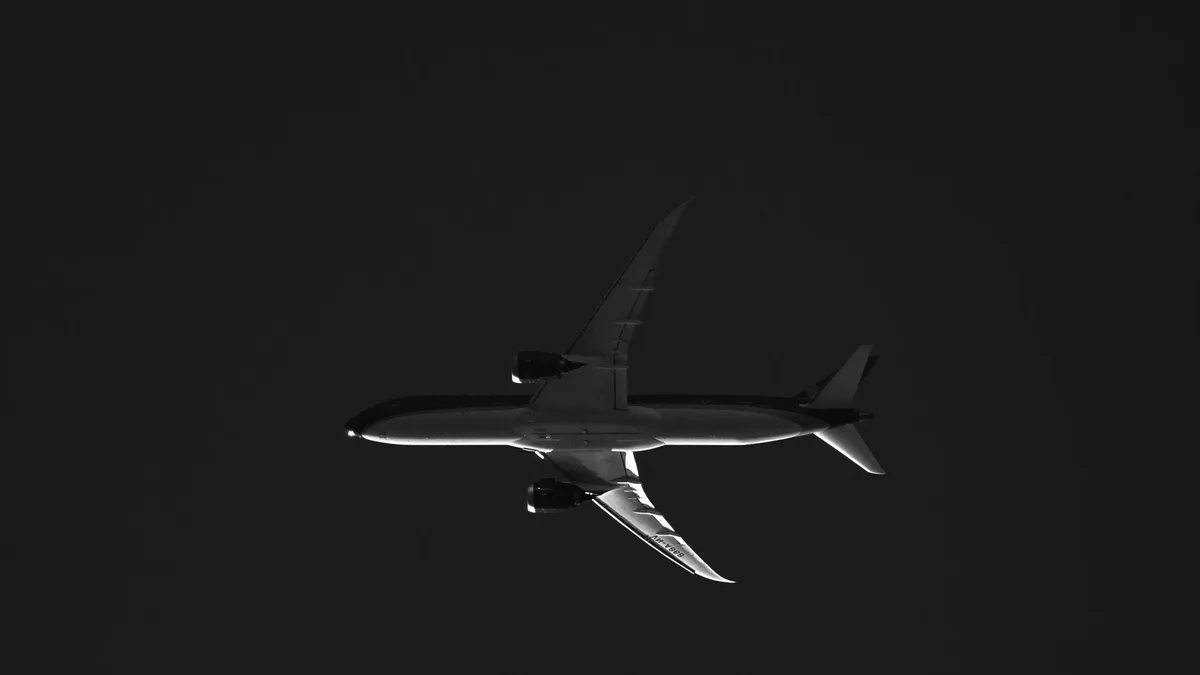
Chief financial officer Rahul Ghai stated in September 2026 that the company had high confidence in the new seal design after testing. The GE9X is the sole engine option for the 777-9, which is 251 feet 9 inches long and features a 235-foot composite wing with folding wingtips. GE9X deliveries will resume in the third quarter of 2026 after the new seal design is certified.