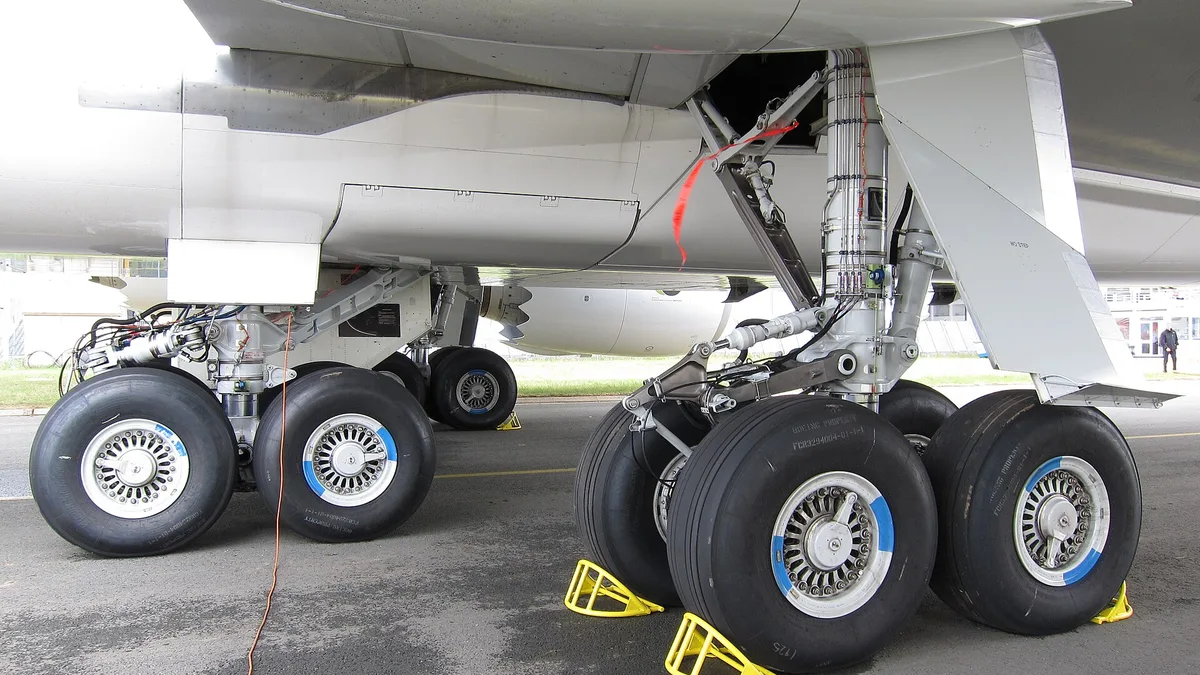
Landing Gear
| Aircraft type | Boeing 737 Next Generation (737-600/-700/-800/-900) |
|---|---|
| Country of origin | United States |
| First created | 1990s |
| Original use | Commercial passenger airliner |
| Landing gear configuration | Retractable tricycle |
| Number of main landing gear legs | Two |
| Main gear wheel arrangement | Dual-tandem (two wheels in line on each side) |
| Steering | Nose wheel steering via rudder pedals and hand wheel |
Origin and history
The concept of a dedicated landing gear system for aircraft originated in Europe and North America during the early decades of the 20th century, concurrent with the development of powered, heavier-than-air flight. Early aircraft often used simple skids or arrangements of wheels adapted from other vehicles, lacking any formal retraction mechanism. The need for a more robust and specialized system became acutely apparent as aircraft speeds increased in the 1920s and 1930s, making fixed gear a significant source of drag. Historical documentation shows that retractable landing gear designs were experimented with in the late 1910s, but saw widespread adoption in military and commercial aircraft during the 1930s. The fundamental architecture of tricycle gear, with a nose wheel and two main wheels, was developed and refined during this pre-World War II period. This configuration became the dominant design paradigm for most fixed-wing aircraft in the subsequent jet age, establishing the core principles still in use today.
What it is designed for
The landing gear system is designed to support the entire weight of the aircraft during all ground operations, including taxiing, takeoff, and landing. Its primary function is to absorb and dissipate the kinetic energy generated at touchdown, preventing structural damage to the airframe and providing a controlled deceleration. The system is engineered to provide stable ground handling and steering capability, allowing the pilot to maneuver the aircraft on runways and taxiways. Furthermore, on most modern aircraft, it is designed to retract into the fuselage or wings after takeoff to drastically reduce aerodynamic drag during flight. It must also incorporate safety mechanisms, such as locks to prevent accidental retraction while on the ground and often a backup extension system. The design must account for extreme and variable loads, including hard landings and crosswind conditions, while maintaining a balance between structural strength, weight, and complexity.
Development and versions
Development has progressed from fixed, externally-braced structures to complex, hydraulically or electrically actuated retractable systems with advanced shock absorption. Early versions were often tailwheel configurations, which evolved into the now-standard tricycle gear for improved pilot visibility and ground stability. Significant development has occurred in materials, moving from steel and aluminum to high-strength alloys, titanium, and composite materials to save weight. Versions are highly specialized for different aircraft types, ranging from simple fixed gear for light general aviation aircraft to multi-bogey, multi-wheel main gears for large commercial jets and heavy cargo aircraft. For carrier-based naval aviation, versions are strengthened for catapult launches and arrested landings, and often feature a longer stroke to accommodate higher sink rates. Other specialized versions include skis for snow operations, floats for water, and rugged, high-travel systems for bush and rough-field operations.
Pros and cons
A major advantage of a well-designed landing gear system is its direct contribution to safety by enabling controlled landings and stable ground operations, which is its most critical pro. The con of increased mechanical complexity and weight is significant, as retractable systems introduce many potential failure points, including actuators, locks, and hydraulic lines, which require rigorous and costly maintenance. Pilots of complex aircraft often regret choosing to retract the gear prematurely or forgetting to lower it, a common and serious mistake leading to gear-up landings, despite warning systems. For operators, a primary pro is the fuel efficiency gained from reduced drag in flight, but this is counterbalanced by the con of high acquisition costs and the need for specialized repair facilities and parts. Light aircraft owners with fixed gear appreciate the system's simplicity and reliability, a clear pro, but must accept the con of permanently reduced cruise performance compared to retractable-gear counterparts. In harsh environments, the pro of a rugged, simple design is often outweighed by the con of susceptibility to corrosion and fatigue, requiring constant inspection.
Who it suits
The fixed, simple landing gear suits pilots and owners of light training and recreational aircraft where low cost, minimal maintenance, and ultimate reliability are prioritized over maximum speed. Complex retractable gear suits commercial airline and corporate jet operations where the economic benefits of lower drag and higher cruise efficiency justify the substantial maintenance overhead and training requirements. Heavy-duty, multi-wheel bogey systems are essential for military transport and commercial cargo aircraft that must operate from varied runway surfaces and support immense weights. Tailwheel configurations still suit certain utility, agricultural, and vintage aircraft operations where rough-field performance and specific weight distribution are advantageous. High-performance single-engine piston aircraft typically suit retractable gear to achieve their designed speed potential, appealing to owners willing to manage the associated systems and costs. Specialized gear like skis or floats suits operators in remote or unique environments, such as bush pilots in Alaska or amphibious firefighting aircraft, where adaptation to the terrain is the paramount requirement.
Latest Landing Gear news
Latest reporting
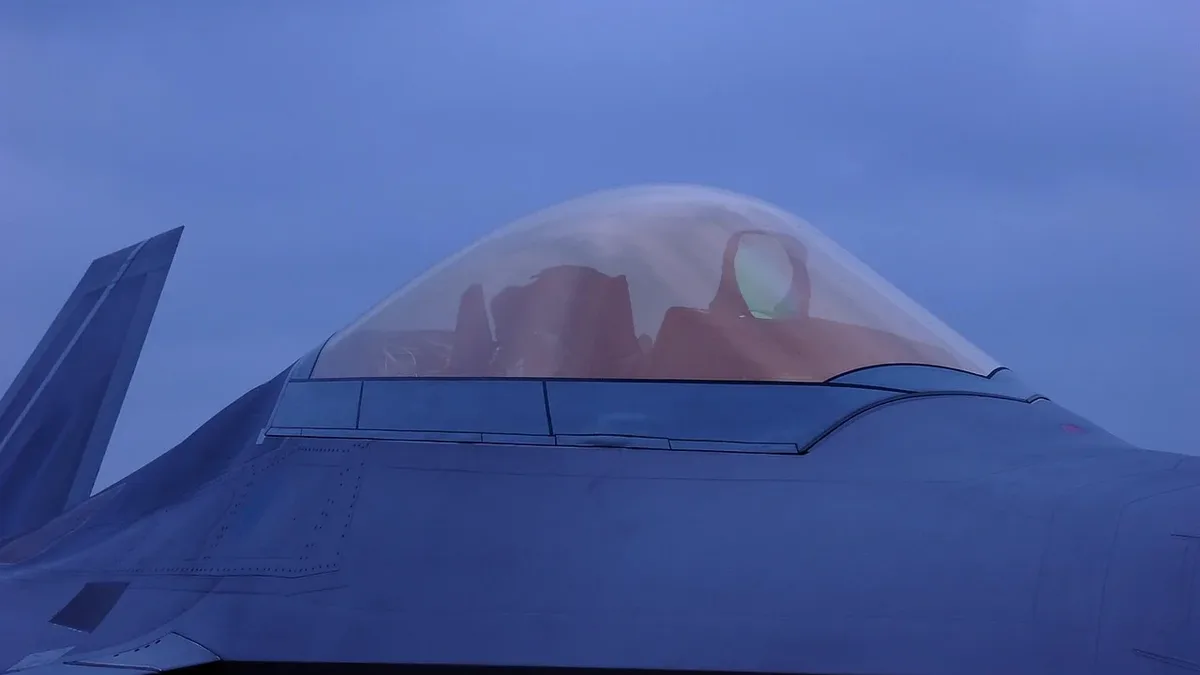
F-22 Pilot Receives Top Safety Award for Belly Landing
USAF Captain Michael Cloninger earned the Koren Kolligian Jr. Trophy for safely belly-landing an F-22 Raptor in the Middle East after a wheel...

Delta Airbus A220s Divert After Cabin Fume Incidents
Two Delta Air Lines Airbus A220 flights declared emergencies within 48 hours due to cabin fumes, prompting a diversion and a post-landing aircraft...
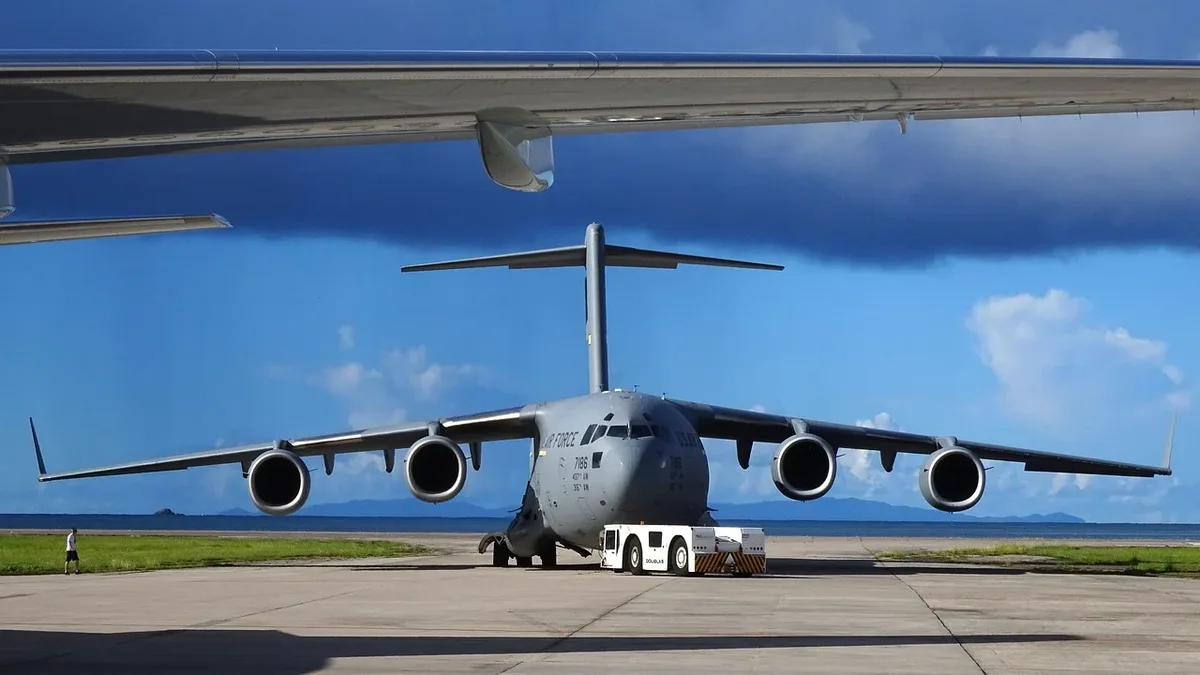
Coast Guard C-37A Makes Emergency Landing After Engine Loss
A U.S. Coast Guard C-37A, a Gulfstream V airframe nearly 25 years old, safely landed at Reagan National Airport following an engine failure while...
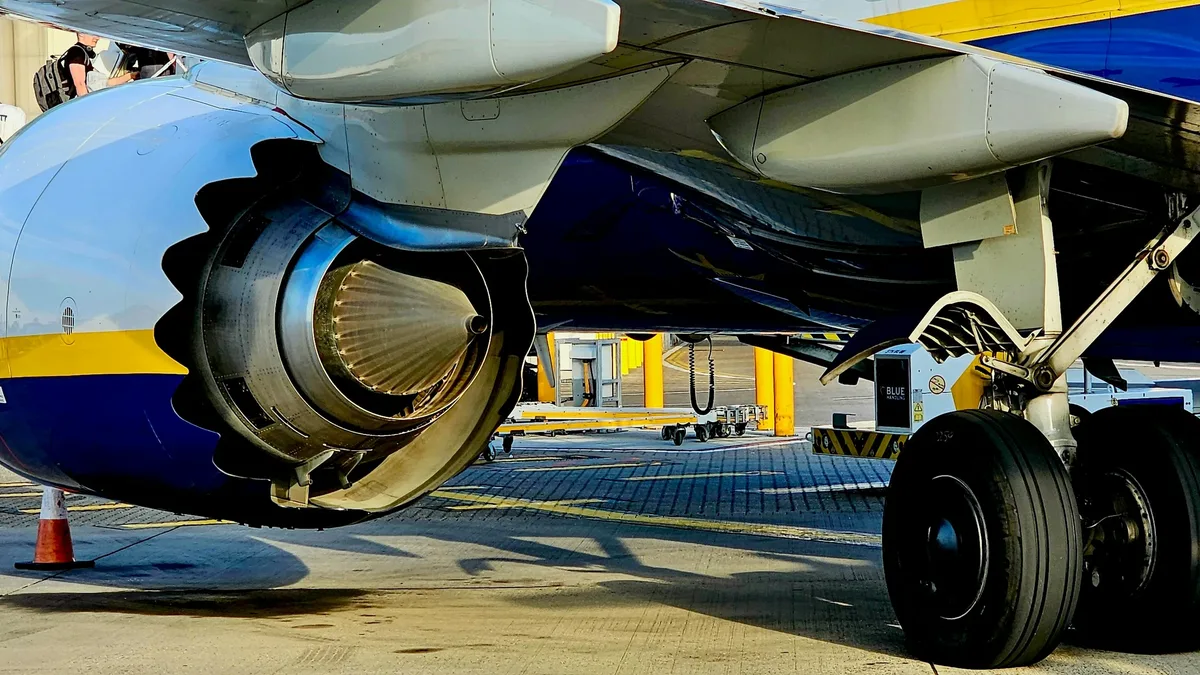
NBAA Q2 2026: Powerplant Failures Top Safety Concerns
The NBAA's second-quarter 2026 safety review found powerplant failures and takeoff/landing collisions were leading concerns in business aviation...

Sepehran 737-500 veers off runway in Iran
Sepehran Airlines Boeing 737-500 veered off a runway at Mashhad International Airport on August 25, 2026, after landing from Tehran. The incident...
LandSpace Achieves Milestone with Reusable Zhuque-3 Rocket Landing
Chinese company LandSpace successfully lands the first stage of its Zhuque-3 rocket, marking a first for a private Chinese company