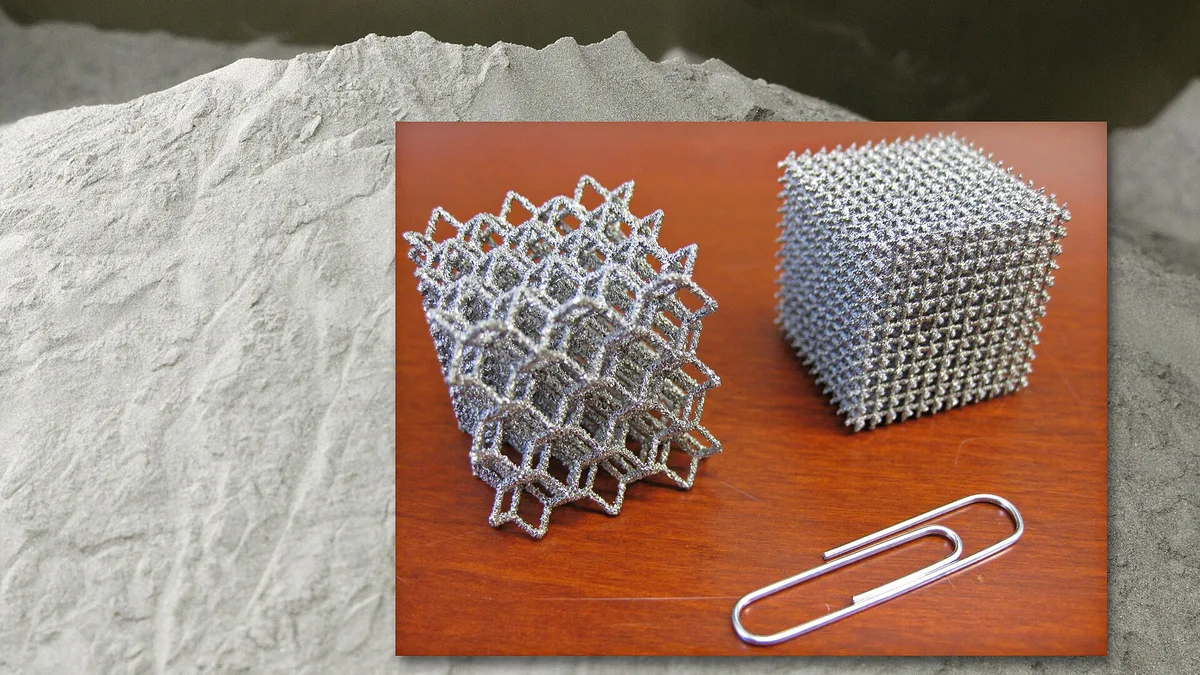
Additive Manufactured Parts In Service
| Aircraft Type | Military transport aircraft |
|---|---|
| Airframe Manufacturer | Lockheed Martin |
| Engine Manufacturer | Rolls-Royce |
| Programme Status | In active service |
| Original Use | Strategic and tactical airlift |
Origin and history
Additive manufacturing, also known as 3D printing, originated as a rapid prototyping technology in the 1980s, with key developments occurring in the United States, Europe, and Japan. The foundational stereolithography process was invented in the early 1980s, followed by other core techniques like fused deposition modeling and selective laser sintering within that same decade. The transition from producing prototypes to creating functional, load-bearing parts for aerospace applications began in earnest in the early 21st century. This shift was driven by advancements in metal-based additive manufacturing processes, particularly powder bed fusion technologies. The concept of "Additive Manufactured Parts In Service" specifically refers to the operational deployment of these components on certified aircraft, a milestone first achieved in the 2010s. The historical trajectory is marked by a gradual move from non-critical, interior cabin components to increasingly structural and safety-critical applications.
What it is designed for
Additive Manufactured Parts In Service are designed to replace components traditionally manufactured through forging, casting, or machining in operational aircraft. The primary design intent is to leverage the geometric freedom of additive manufacturing to create parts with optimized, lightweight structures that are impossible to make subtractively, such as complex internal cooling channels or lattice-filled components. These parts are engineered to meet or exceed the rigorous performance, durability, and safety standards mandated for aviation components, often under extreme stress, temperature, and vibration conditions. A key design goal is part consolidation, where an assembly of many individual pieces is replaced by a single printed part, thereby reducing assembly time, weight, and potential failure points. The technology is also deployed for the manufacture of hard-to-source legacy parts for older aircraft, supporting fleet maintenance where traditional tooling no longer exists. Fundamentally, these parts are designed for integration into certified airframes and engines, undergoing full qualification and certification processes to ensure airworthiness.
Development and versions
Development has progressed through distinct technological generations, starting with polymer-based parts for non-structural, interior applications such as ducting and brackets. The pivotal development was the maturation of metal additive manufacturing, notably Laser Powder Bed Fusion (LPBF) and Electron Beam Melting (EBM), which enabled the production of high-integrity titanium, nickel superalloy, and aluminum parts. Subsequent versions of the technology have focused on improving material properties, with developments in post-processing heat treatments and hot isostatic pressing to enhance fatigue life and eliminate porosity. A major evolutionary step has been the development of specialized alloys tailored for the additive manufacturing process, offering better performance than their conventional counterparts. The "versions" in service are also defined by their application area, progressing from non-critical to critical components, such as from environmental control system ducts to fuel nozzles within jet engines and, eventually, to primary structural airframe components. Ongoing development is heavily centered on process qualification, standardization of powder materials, and the creation of robust digital threads to ensure traceability for every serialized production part.
Pros and cons
A primary advantage is significant weight reduction through topological optimization, which directly improves aircraft fuel efficiency and reduces emissions over the component's service life. Additive manufacturing also enables rapid design iterations and faster time-to-market for new parts, especially beneficial for custom solutions or urgent maintenance needs. Part consolidation eliminates assembly steps, reduces inventory complexity, and can enhance overall system reliability by minimizing joints and fasteners. A notable disadvantage is the high initial cost of industrial-grade additive manufacturing equipment and the requisite skilled labor for operation and post-processing. The production speed for individual metal parts is often slower than for high-rate casting or forging, making the technology less suitable for very high-volume components despite its design advantages. Common regrets or mistakes occur from underestimating the stringent and costly certification pathway, or from designing parts for additive manufacturing without adequate consideration for the necessary support structures, residual stress management, and surface finish requirements, leading to failed builds or parts that do not meet specifications.
Who it suits
This approach suits original equipment manufacturers and tier-one suppliers operating in the aerospace sector who have the capital and engineering resources to invest in the full qualification process for flight-critical parts. It is particularly well-suited for engine programmes, where the high value and performance demands of components like turbine blades and fuel nozzles justify the manufacturing cost for the gains in efficiency and durability. Military aviation programmes also benefit, as they often prioritize performance and rapid deployment of upgraded parts over the lowest possible unit cost. It suits operators of legacy aircraft fleets who require obsolete parts that are no longer in production, as additive manufacturing can produce small batches without the need for expensive, permanent tooling. The technology is less suited for manufacturers of high-volume, low-complexity commodity parts where traditional methods remain more economical, or for organizations without a deep commitment to the stringent quality control and metallurgical expertise required for certified production.
Latest Additive Manufactured Parts In Service news
Latest reporting

Delta Adds Manila A350-900, Cuts 17 Routes in Network Shift
Delta Air Lines is launching new nonstop service from Los Angeles to Manila with its Airbus A350-900 while canceling 17 other international routes...
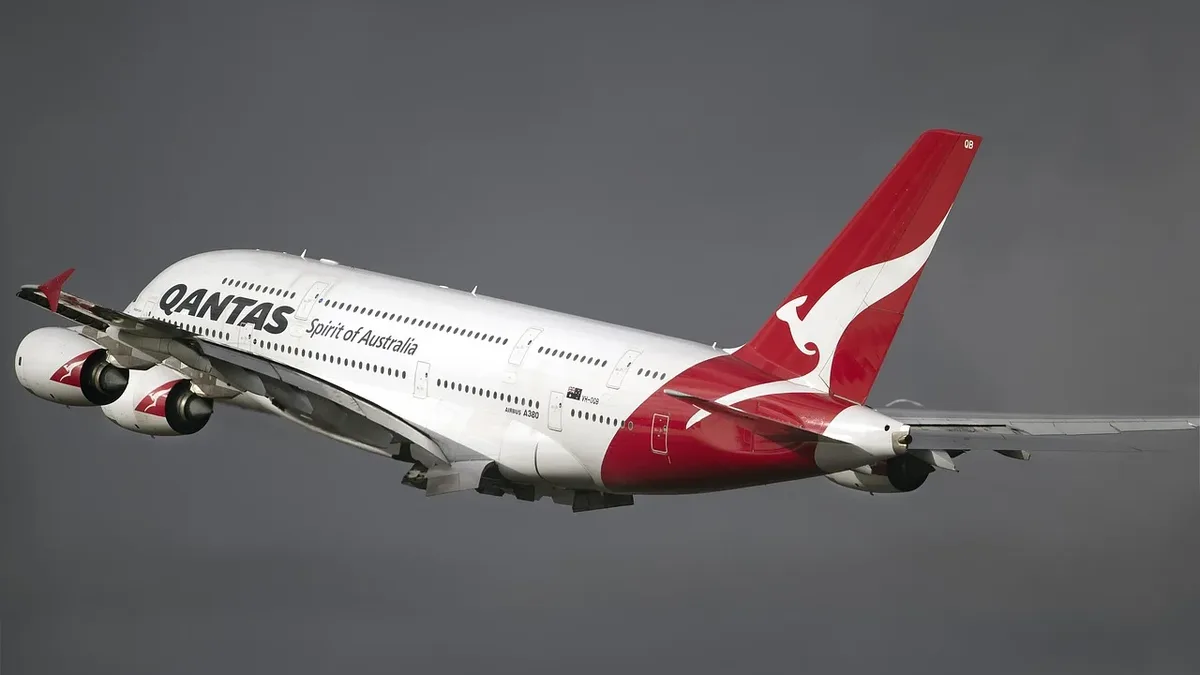
Qantas Replaces Melbourne-Los Angeles A380 With Boeing 787-9
Qantas will drop its Airbus A380 service from Melbourne to Los Angeles on October 22, switching to a Boeing 787-9 Dreamliner.
BermudAir leases Embraer E190F for cargo
BermudAir has leased an Embraer E190F freighter. The aircraft, leased from Regional One, will operate a dedicated cargo service alongside the...
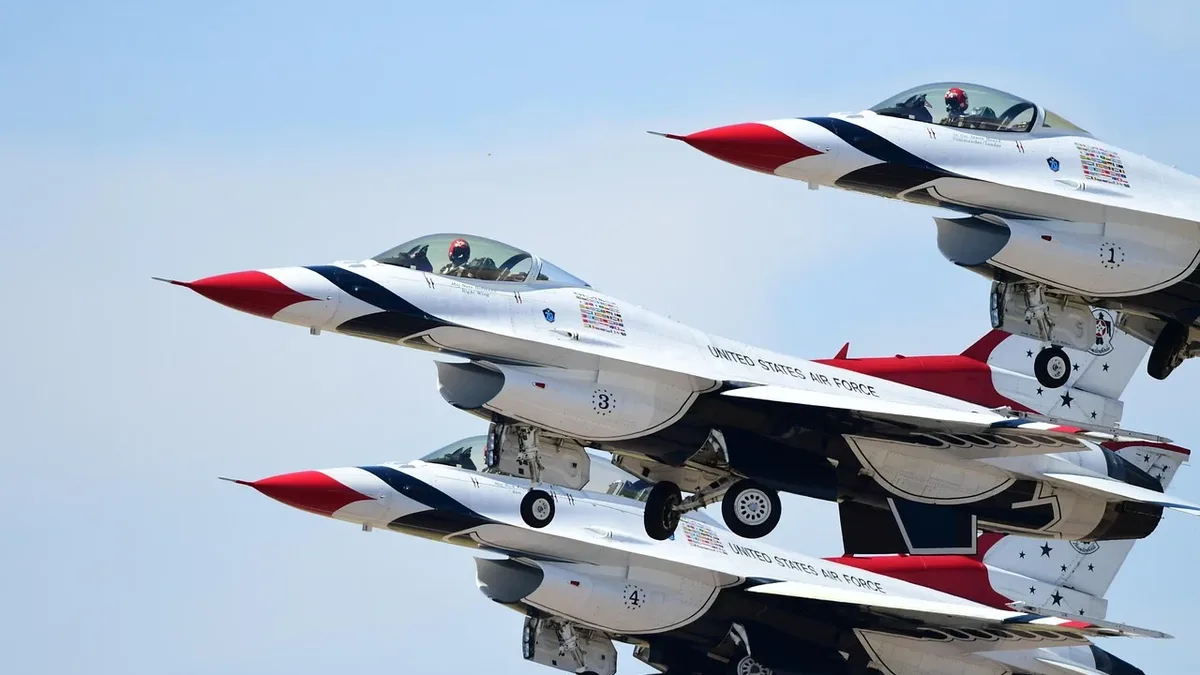
US Air Force T-38 Retirement Schedule Clarified
The US Air Force is not retiring its T-38 Talon trainer fleet early. The service plans a phased replacement starting in 2028 with the new T-7A Red...

Icelandair's Hand-Painted Boeing 757 Scrapped After 31 Years
Icelandair's iconic Boeing 757-200, famous for its hand-airbrushed Northern Lights livery, has been dismantled for parts and scrap.
First Dutch PC-7 MKX Trainer Flies Ahead of 2027 Service
The Royal Netherlands Air Force's first Pilatus PC-7 MKX trainer has completed its maiden flight. The Netherlands has ordered eight aircraft and four...