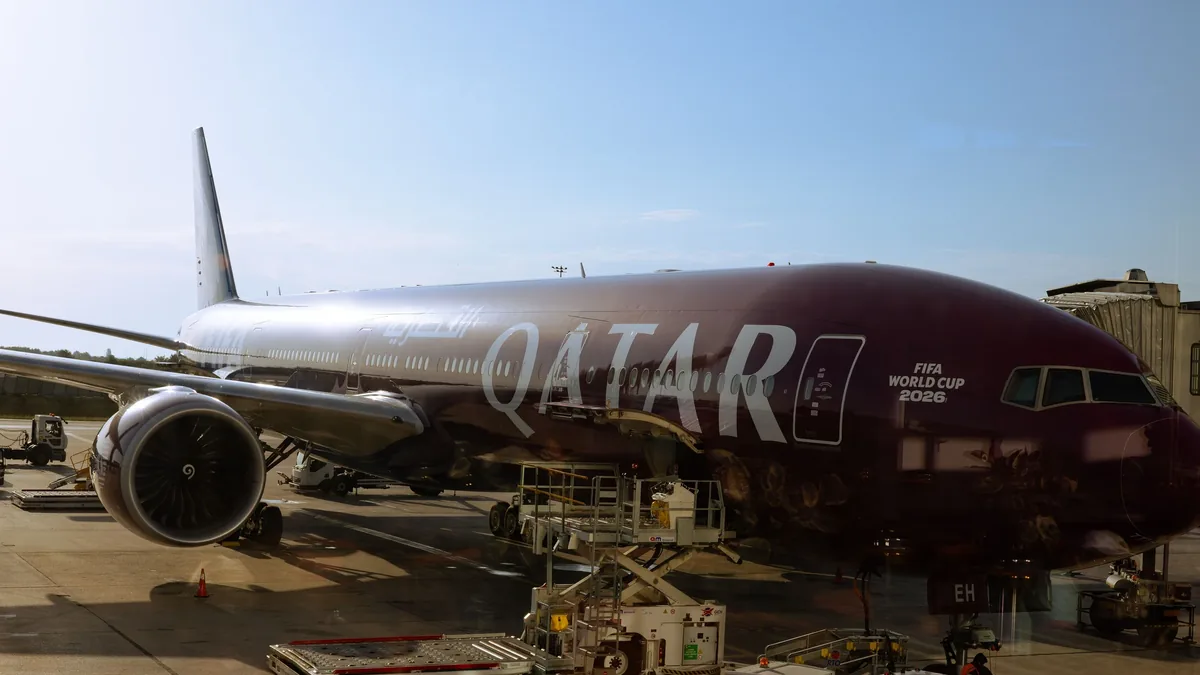
777X
| Country of origin | United States |
|---|---|
| First created | 2010s |
| Original use | Long-haul commercial passenger and cargo transport |
| Manufacturer | Boeing |
| Wingspan | 71.8 meters (with wingtips folded) |
| Typical seating | 426 passengers (two-class) |
| Maximum takeoff weight | 351,500 kilograms |
| Engine type | Two General Electric GE9X turbofans |
Origin and history
The 777X is a wide-body twin-engine jet airliner family developed by Boeing, an American aerospace manufacturer. Its development was officially launched in the early 2010s, with a public announcement at the 2013 Dubai Air Show. The program is a direct evolution of the highly successful Boeing 777 family, which first entered service in the mid-1990s. The 777X was conceived to counter the competitive threat posed by the Airbus A350, particularly the A350 1000 variant, and to modernize the 777 platform for the 2020s and beyond. Its development represents a major investment by Boeing to maintain its position in the large wide-body aircraft market. The design incorporates significant technological advances from the Boeing 787 Dreamliner program while retaining the basic structural architecture of the existing 777.
What it is designed for
The 777X is designed primarily for long-haul, high-capacity routes between major international hubs. It aims to provide airlines with lower operating costs per seat compared to previous generation large wide-body aircraft, including its predecessor, the 777 300ER. A key design goal is to offer exceptional fuel efficiency through advanced aerodynamics and new engine technology, reducing emissions and trip costs. The aircraft is engineered to carry a large number of passengers, typically in a two-class configuration ranging from 350 to over 400 travelers, over distances exceeding 7,000 nautical miles. It is intended to replace older four-engine aircraft like the Boeing 747 400 and to compete directly with the Airbus A350 1000 on routes where passenger demand is high but not sufficient for the largest Airbus A380. The design also focuses on improving the passenger experience with a wider cabin, larger windows, and higher cabin humidity.
Development and versions
Development of the 777X involved major modifications to the existing 777 airframe, most notably the incorporation of new, composite wings with folding wingtips to maintain compatibility with existing airport gates. The program has two main variants: the larger 777 9 and the slightly shorter 777 8. The 777 9 is the first model to enter development and flight testing, serving as the baseline for the family. A further proposed variant, the 777 8F, is a dedicated freighter model based on the 777 8 airframe. The development process has experienced significant delays, partly due to the extensive certification requirements for the novel folding wingtip system and compounded by challenges from the COVID 19 pandemic and subsequent aerospace industry disruptions. Engine certification and testing for the new General Electric GE9X engines also proved complex, contributing to the revised timeline. As of the current program status, the 777 9 is undergoing rigorous flight testing and certification activities with entry into service anticipated in the mid 2020s.
777X specs
The 777X specifications highlight its size and performance capabilities. The 777 9 variant has an overall length of approximately 251 feet and a wingspan of 235 feet when the folding wingtips are deployed. With wingtips folded for ground operations, the wingspan reduces to 212 feet to match existing 777 airport infrastructure. The aircraft is powered by two General Electric GE9X engines, which are the largest commercial jet engines ever built, with a high bypass ratio for improved fuel efficiency and noise reduction. Maximum takeoff weight is projected to be over 775,000 pounds, allowing for a substantial fuel load and payload. The typical range for the 777 9 is stated to be around 7,285 nautical miles, enabling non stop flights on ultra long haul routes such as Singapore New York. The slightly shorter 777 8 is designed for even longer range, with targets exceeding 8,700 nautical miles, potentially making it a successor for routes currently flown by the Boeing 777 200LR.
777X seat map
A typical 777X seat map, particularly for the 777 9, reflects its high capacity design for major airlines. The cabin is wider than previous 777 models due to a redesigned interior, allowing for broader aisles and more spacious feeling passenger areas. A standard two class layout for a full service airline could feature approximately 50 to 60 business class seats in a 1 2 1 configuration, offering direct aisle access for every passenger. The economy class section would typically be arranged in a 3 4 3 layout across the wide cabin, accommodating over 300 passengers. Some airlines may opt for a three class configuration, incorporating a first class cabin and a premium economy section between business and standard economy. The exact seat count and layout vary significantly by airline, with low cost or high density configurations potentially seating over 400 passengers. The folding wingtips do not impact the internal cabin layout or seat mapping.
Overview
The Boeing 777X is the latest generation of the 777 family, representing a substantial technological and efficiency leap over its predecessors. It integrates composite wing technology from the 787 with a new, larger fuselage and the most powerful commercial engines in service. The program's defining physical characteristic is its long, thin composite wings with raked tips that fold upward to allow the aircraft to use standard airport gates. It is positioned as a large, efficient twin engine jet capable of carrying more passengers farther than the Airbus A350 1000, its primary competitor. The aircraft is undergoing a prolonged and complex certification process, reflecting the increased regulatory scrutiny following other aircraft development programs and the novel technologies involved. Once operational, it is expected to serve as a cornerstone for long haul fleets of major global carriers for decades.
What to know
It is important to know that the 777X program is significantly delayed from its original entry into service target, with deliveries now expected years later than initially planned. The aircraft's development costs are extremely high, which will influence its pricing and the economic pressure on Boeing to secure a substantial number of orders. The GE9X engines, while offering remarkable efficiency, are complex and their reliability in long term, high cycle operations will be closely watched by the industry. Airlines ordering the 777X are making a bet on future passenger demand growth on very high volume routes, a strategy that carries risk if market dynamics shift. The folding wingtip mechanism is a unique mechanical system that will require additional maintenance and inspection protocols throughout the aircraft's life. The 777X's success is not guaranteed and hinges on its real world operating economics matching its promised performance once in airline service.
Common questions
A common question is how the 777X differs from the older 777 300ER, with the answer focusing on the new composite wings, larger windows, improved cabin air, and substantially more efficient engines. Many ask about the purpose of the folding wingtips, which exist solely to allow the larger wingspan for better aerodynamics while still fitting into existing airport gate spaces. People inquire about which airlines have ordered the 777X, with launch customers including Emirates, Qatar Airways, Lufthansa, and All Nippon Airways, among others. There are frequent questions regarding its competition, which is primarily the Airbus A350 1000, with comparisons often centering on seat mile costs, range, and cargo capability. Potential travelers ask about the passenger experience, which Boeing promotes as having higher cabin humidity, lower cabin altitude, and quieter engines compared to previous models. Another recurring question concerns the status of the 777 8 variant, which has seen less airline interest than the 777 9 and may enter service later or see its development timeline adjusted.
Pros and cons
Pros: The 777X promises significantly lower fuel burn and operating costs per seat than previous generation large wide bodies, a decisive factor for airlines. Its high passenger capacity allows it to efficiently serve the busiest long haul routes, potentially reducing the need for frequency. The advanced cabin systems are designed to improve passenger comfort through better air quality and reduced noise. For airports, it offers the efficiency of a very large aircraft without requiring new infrastructure for gates, thanks to the folding wings. The commonality with the existing 777 family offers some advantages in pilot training and maintenance for airlines already operating 777s. Cons: The program is extremely expensive, leading to high acquisition costs for airlines and financial pressure on Boeing. The delays have left airlines without expected new capacity, forcing them to extend older aircraft leases or seek alternatives. The aircraft's very large size may be a liability on routes where demand is more fragmented or seasonal, risking low load factors. Early adopters face the risk of teething problems with the new engine and folding wingtip systems, which could lead to operational disruptions. Some industry analysts question if the market for aircraft of this size is as robust as Boeing projected, especially post pandemic. A common mistake for an airline would be to order the 777X for a route network that cannot consistently fill its high seat count, turning an efficiency advantage into a financial burden.
Who it suits
The 777X suits major global network carriers that operate dense, trunk routes between major hub airports, such as Dubai, Frankfurt, London, and Singapore. It is ideal for airlines that need to replace aging Boeing 747 400s or Airbus A380s with a more fuel efficient twin engine model while maintaining similar seat capacity. Airlines with large existing Boeing 777 fleets and pilot groups will benefit from the type's family commonality, easing the transition to the new model. It suits markets where passenger volume is consistently high and point to point demand is insufficient, making hub consolidation with a large aircraft the most efficient model. The aircraft is less suited to smaller national carriers, airlines focused on point to point long haul routes with lower demand, or operators without the substantial capital required for its purchase. Its success is predicated on airlines having the route structures and passenger feed to reliably fill its many seats on a daily basis.
Latest 777X news
Latest reporting
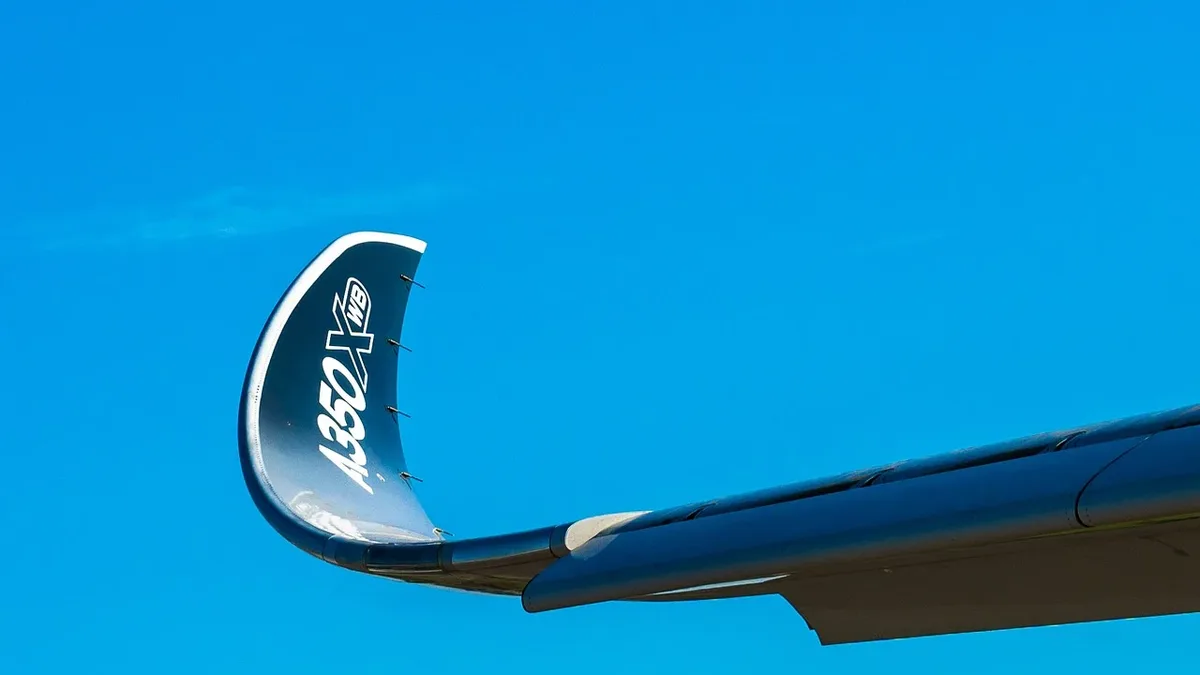
Boeing 777X Breaks Taboo with Folding Wingtips
Boeing's 777X introduces the first folding wingtips on a commercial airliner, a design avoided for decades due to weight and complexity.
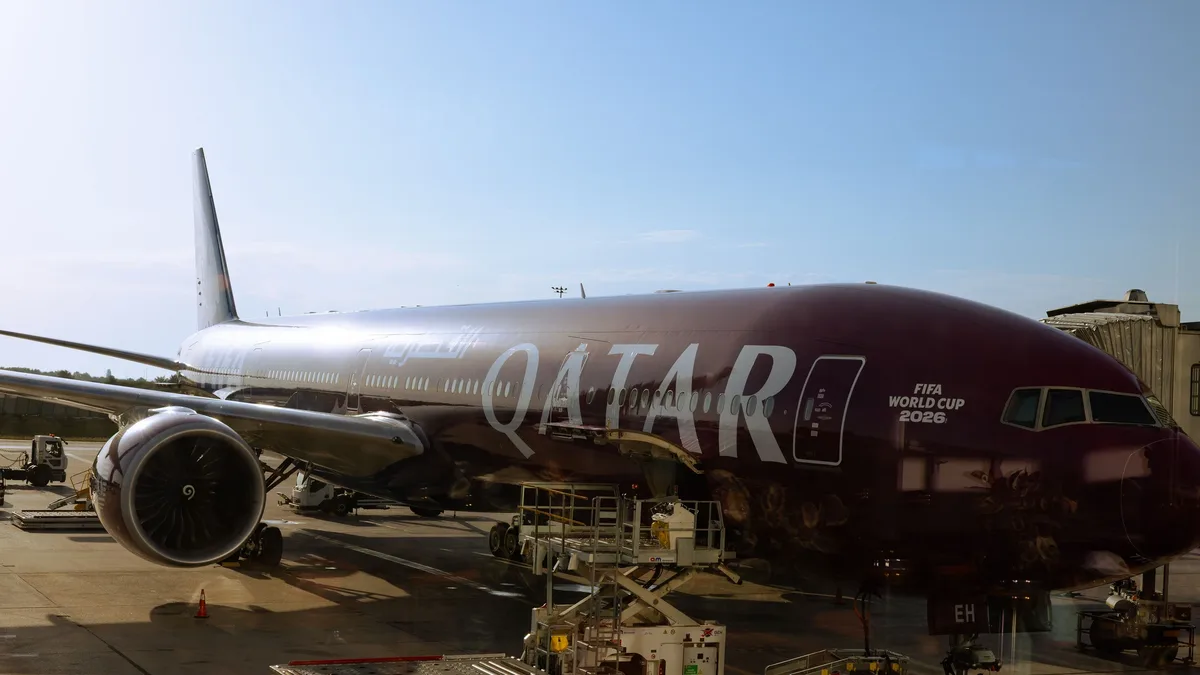
Boeing to Rework 30 Stored 777X Jets Before 2027 Deliveries
Boeing CEO Kelly Ortberg says 30 completed 777X aircraft require extensive modifications due to design changes from flight testing, with older...
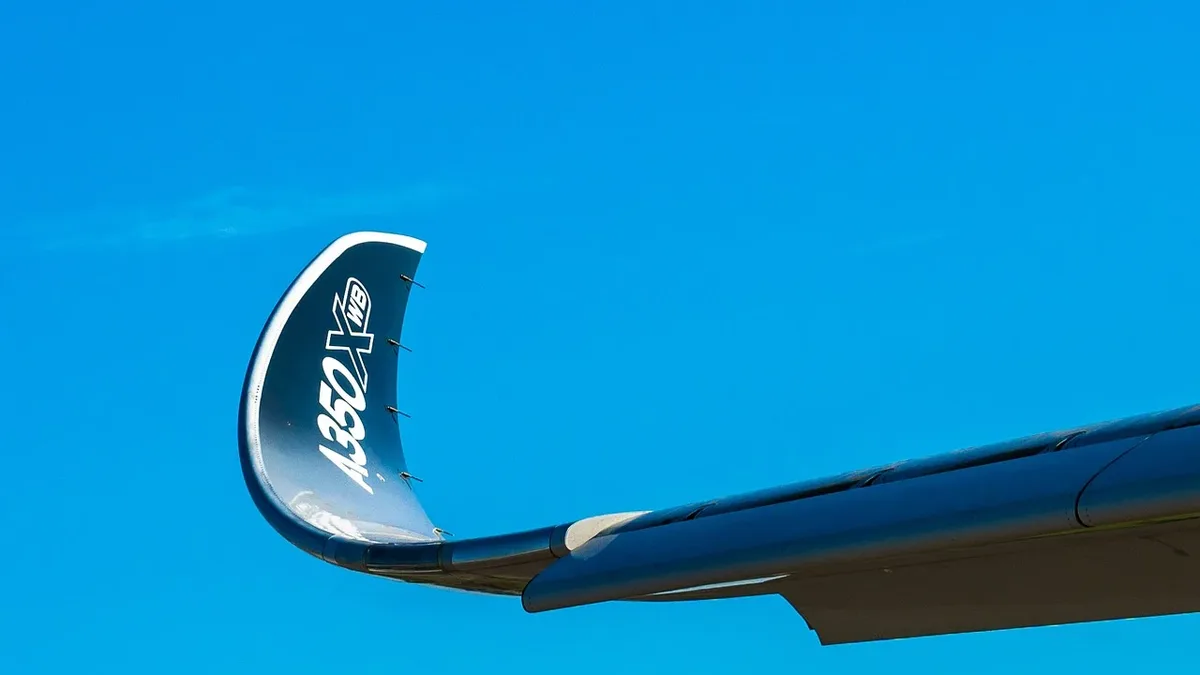
Boeing 777X's Wingtip Safety Systems Prevent Folded Takeoff
The Boeing 777X is physically and electronically prevented from taking off with its folding wingtips retracted, a critical safety feature mandated for