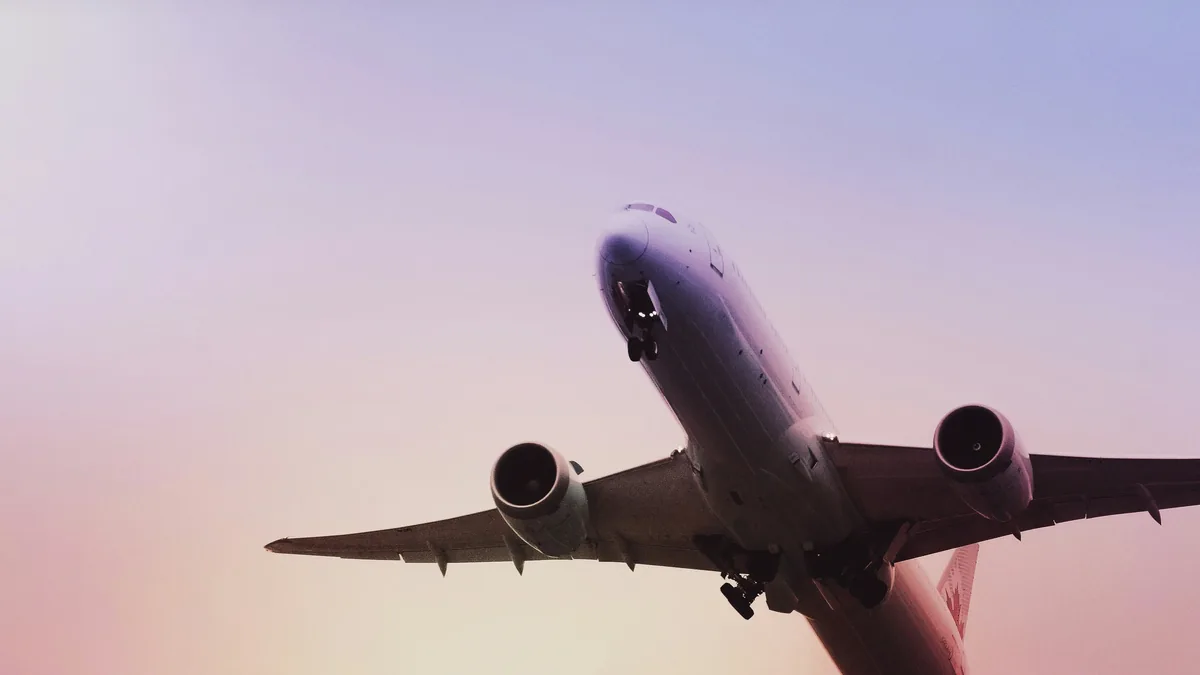
787 Dreamliner
| Manufacturer | Boeing |
|---|---|
| First flight | 2009 |
| Wingspan | 197 feet (60 meters) |
| Typical seating (two-class) | 242 to 330 |
| Range | 7,530 to 8,770 nautical miles |
| Engine type | Two high-bypass turbofans |
| Fuselage construction | Carbon-fiber composite |
Origin and history
The 787 Dreamliner is a wide-body, twin-engine jet airliner developed and manufactured by Boeing Commercial Airplanes in the United States. Its development was launched in the early 2000s with the project name "7E7," representing a focus on efficiency. The program was a direct strategic response to the market success of Airbus's A330 and the anticipated need for a more efficient replacement for aging wide-body aircraft like the Boeing 767. The first 787-8 variant completed its maiden flight in the late 2000s, entering commercial service in the early 2010s. This aircraft represented a significant technological and manufacturing departure for Boeing, incorporating extensive use of composite materials and new engine technology. Its development was marked by ambitious global partnership and unprecedented outsourcing of major airframe components to international suppliers.
What it is designed for
The 787 Dreamliner is primarily designed for long-haul point-to-point routes, enabling airlines to connect city pairs without the need for traditional hub-and-spoke connections. Its core design goals were to achieve a substantial reduction in operating costs compared to previous generation aircraft, particularly through dramatic improvements in fuel efficiency. The airframe and systems are engineered to provide lower cabin altitude and higher humidity levels, aiming to enhance passenger comfort on lengthy flights. The aircraft's range capabilities allow airlines to open new non-stop routes that were previously not economically viable with older aircraft. It is intended to serve both medium-capacity, long-range routes and higher-capacity, slightly shorter routes depending on the variant. The design philosophy emphasizes flexibility for airlines to configure the cabin for various market demands, from premium-heavy layouts to higher-density configurations.
Development and versions
The 787 program development involved a global supply chain, with major structural sections manufactured by partners in Japan, Italy, South Korea, and the United States, which were then shipped for final assembly. The program encountered significant delays in its early years due to complexities in the supply chain, integration issues with new technologies, and challenges with the extensive use of composite materials. Three main passenger variants have been developed: the 787-8, the original base model; the 787-9, a stretched variant with increased passenger capacity and range; and the 787-10, the longest variant optimized for higher-density, long-range routes. A freighter version, the 787-8F, has also been launched. Each successive variant incorporated minor aerodynamic refinements and systems improvements learned from the earlier models. The development process was one of the most expensive in commercial aviation history, with Boeing investing heavily in new production facilities and technology.
787 Dreamliner specs
The 787 Dreamliner family features varying dimensions and performance metrics across its variants. The 787-8 typically seats approximately 242 passengers in a standard two-class configuration, while the 787-9 seats around 290, and the 787-10 seats approximately 330 passengers. All variants are powered exclusively by high-bypass turbofan engines from either General Electric (GEnx) or Rolls-Royce (Trent 1000), which are among the most fuel-efficient engines in service. The aircraft's wings are swept and raked, constructed primarily from carbon-fiber reinforced polymer, contributing to aerodynamic efficiency and fuel savings. Maximum range figures differ by variant, with the 787-9 offering the greatest range capability, capable of flights well over 7,500 nautical miles. Cruising speed is comparable to other modern wide-body aircraft, at approximately Mach 0.85. The use of composite materials comprises about 50% of the airframe by weight, including the fuselage barrel sections.
787 Dreamliner seat map
A 787 Dreamliner seat map is defined by its twin-aisle, wide-body cabin cross-section, which is slightly narrower than the larger Boeing 777 but wider than the 767. Typical configurations include First or Business Class seats in a 1-2-1 layout for direct aisle access, Premium Economy in a 2-3-2 layout, and Economy Class in a 3-3-3 layout. The cabin interior is notable for its larger, electronically dimmable windows that do not use traditional sliding shades. Overhead bin space is designed to be more generous than on previous aircraft, with bins that pivot downward to increase accessible storage volume. Galleys and lavatories are positioned at the front, rear, and sometimes mid-cabin, depending on the airline's specific layout choices. The exact seat count and arrangement vary significantly between airlines, with some carriers opting for higher-density layouts that increase total passenger count beyond typical guidelines.
Overview
The Boeing 787 Dreamliner is a family of advanced, long-range, mid-size wide-body airliners that introduced a new generation of technology to commercial aviation. Its defining characteristic is the extensive use of composite materials in its primary structure, which reduces weight and corrosion compared to traditional aluminum airframes. The aircraft's systems employ more electrical power than previous models, using electrically driven compressors for cabin air instead of engine bleed air, which contributes to efficiency. Passenger experience features include the larger windows, improved cabin air quality, and LED mood lighting designed to reduce jet lag. It has become a mainstay in the long-haul fleets of many global airlines, operating routes that range from transcontinental to ultra-long-haul segments. The program's overall impact has been to push the industry toward more efficient, twin-engine aircraft for the majority of long-distance travel.
What to know
Early service entry was marred by a series of technical issues, most notably problems with the lithium-ion batteries that resulted in a global grounding of the fleet by aviation regulators in the early 2010s. Certain engine models, specifically some Rolls-Royce Trent 1000 packages, have experienced durability issues with turbine blades, leading to extended inspections and operational disruptions for affected airlines. The composite fuselage construction requires different inspection and repair techniques than traditional metal airframes, which maintenance networks had to adapt to. Despite its advanced design, the aircraft is not immune to common operational issues like component failures, but its maintenance tracking systems are highly sophisticated. Its direct competitors in the market include the Airbus A330neo and, to some extent, the larger Airbus A350.
Common questions
A common question is how the 787's composite fuselage affects safety, particularly regarding lightning strikes or crashworthiness; the structure is designed with conductive mesh to safely dissipate lightning strikes and meets the same stringent crashworthiness regulations as aluminum aircraft. Passengers often ask about the window dimming system, which uses an electrochromic gel that changes opacity when an electric current is applied, controlled by buttons instead of physical shades. Many inquire if the cabin air feels different; the system maintains a lower cabin altitude (equivalent to about 6,000 feet) and higher humidity, which is intended to reduce passenger fatigue. A frequent operational question concerns its range, with the 787-9 being capable of operating some of the world's longest routes, such as non-stop flights between Australia and Europe. Airlines are commonly asked about the seating configuration, as the typical 3-3-3 economy layout can feel narrow to some passengers compared to the 2-4-2 layout on older Airbus A330s. People also ask about the meaning of "Dreamliner"; it is a marketing name selected by Boeing through a public competition, intended to evoke the romance and wonder of flight.
Pros and cons
Key advantages include exceptional fuel efficiency, which directly lowers operating costs and makes long, thin routes profitable. The aircraft's long range and payload capabilities offer airlines unmatched network flexibility for opening new non-stop markets. Passenger comfort features like larger windows, improved cabin air, and lower noise levels are tangible benefits over older generation aircraft. From a maintenance perspective, the composite structure offers superior resistance to fatigue and corrosion, potentially reducing long-term upkeep costs. Significant drawbacks have included the high initial program development costs and the severe delays that damaged Boeing's credibility and financials. Specific engine models have had serious reliability issues, forcing airlines to ground aircraft for lengthy inspections and repairs, disrupting schedules. The common mistake for airlines is underestimating the complexity of supporting a new technology type, while a passenger complaint often centers on the relatively narrow economy cabin width when configured in a dense nine-abreast layout.
Who it suits
The 787 Dreamliner suits airlines looking to replace aging wide-body fleets like the 767, A330, or early 777 models with a far more efficient twin-engine aircraft. It is ideal for network carriers aiming to bypass congested hubs and establish direct, point-to-point connections between secondary cities across continents. Airlines operating very long-haul routes with moderate passenger demand find the 787-9 variant particularly capable for opening such routes profitably. The aircraft also suits airlines focused on passenger experience as a competitive differentiator, given its marketed comfort features. It is less suited to markets requiring the very highest passenger capacity, where the Boeing 777 or Airbus A350 would be more appropriate, or to shorter, high-frequency routes where a smaller aircraft would be more efficient. The 787-10 variant specifically suits airlines operating dense, long-range routes, such as those within Asia or across the North Atlantic, where capacity is as critical as range.
Latest 787 Dreamliner news
Latest reporting
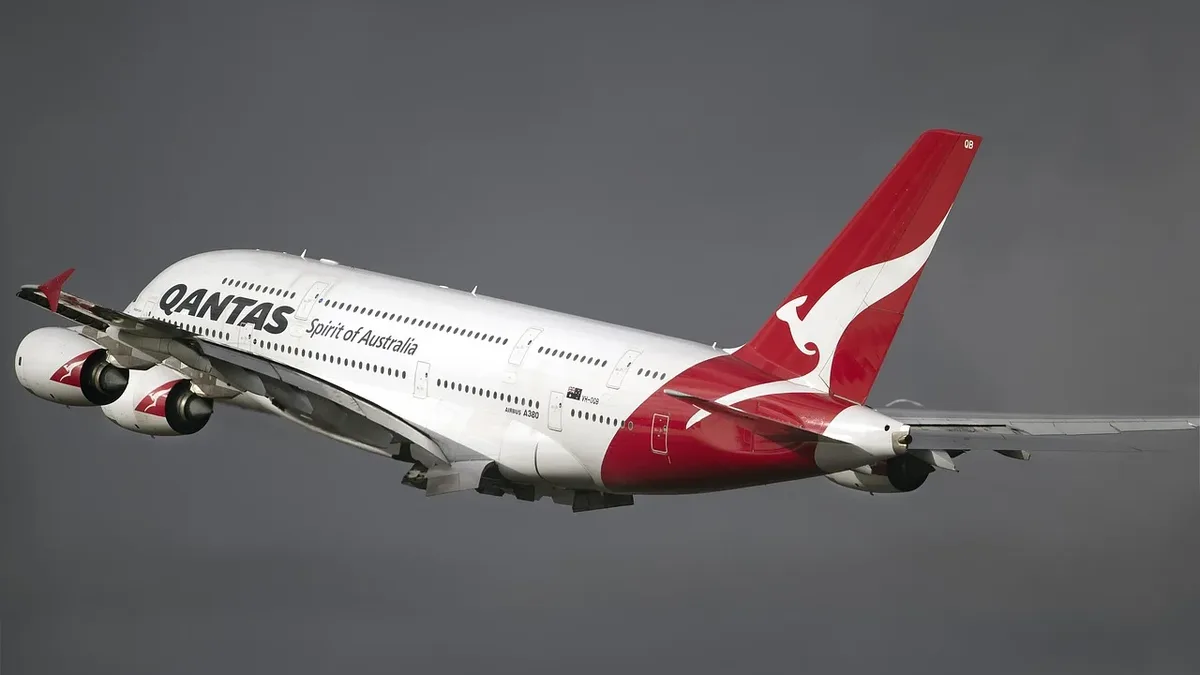
Qantas Replaces Melbourne-Los Angeles A380 With Boeing 787-9
Qantas will drop its Airbus A380 service from Melbourne to Los Angeles on October 22, switching to a Boeing 787-9 Dreamliner.
Boeing 787-10 MTOW Increase Expands Long-Haul Capability
Boeing's 787-10 Dreamliner has received a new maximum takeoff weight certification, extending its range and making it more competitive with the...
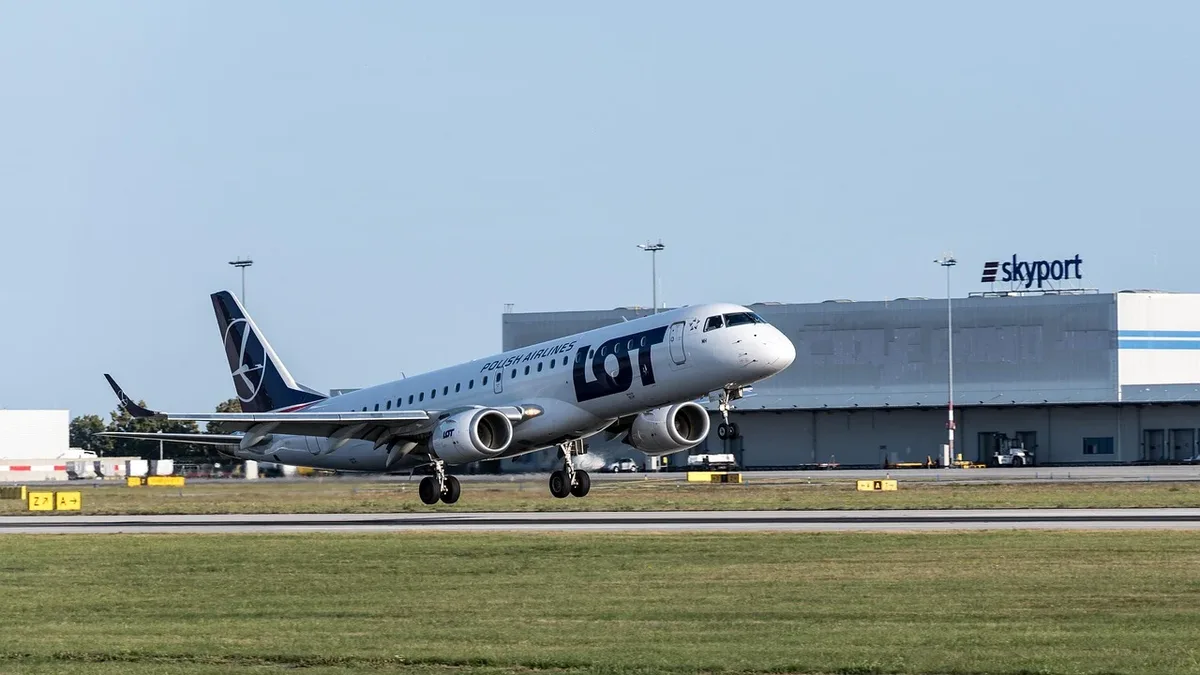
Virgin Atlantic Sells Two 787-9s to LOT
Virgin Atlantic will sell two Boeing 787-9s to LOT Polish Airlines in 2027, reducing its Dreamliner fleet to 14 jets.
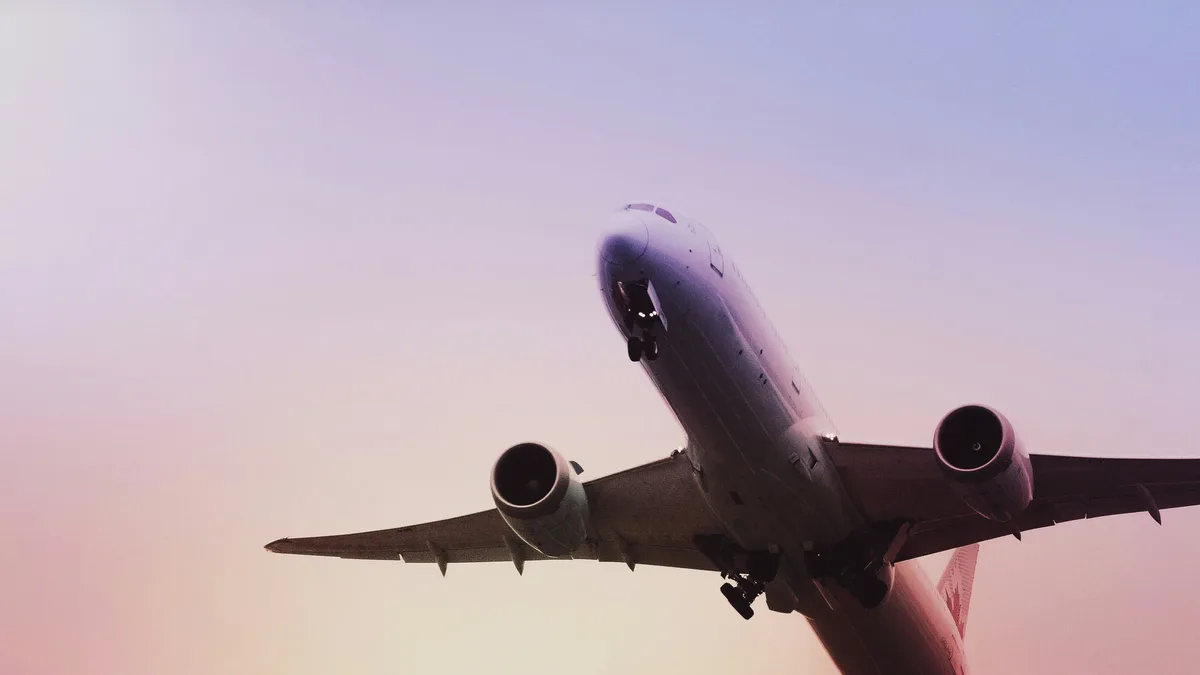
Boeing 787 Dreamliner's 2024 Sales Lead
Despite a seven-month delivery halt in 2023, the Boeing 787 Dreamliner became the best-selling widebody aircraft of 2024.