Boeing 787-10 MTOW Increase Expands Long-Haul Capability
Boeing's 787-10 Dreamliner has received a new maximum takeoff weight certification, extending its range and making it more competitive with the Airbus A350
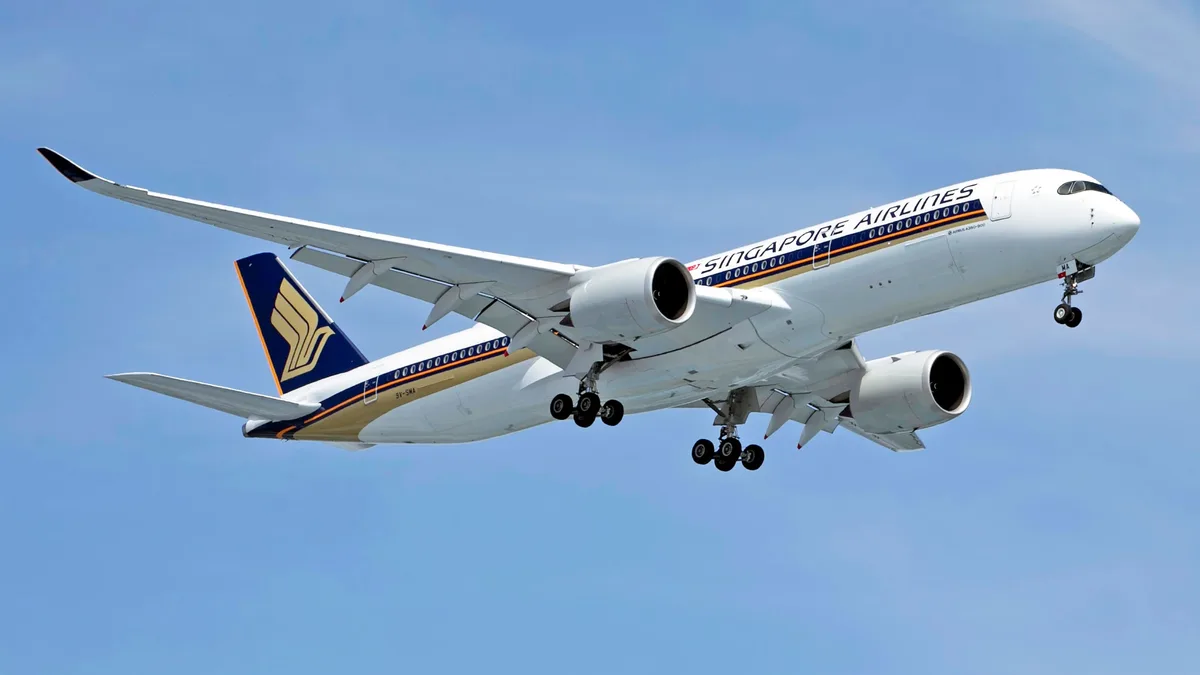
The Airbus A350 and Boeing 787 Dreamliner are each other's contemporaries, but they're not direct competitors. The 787-8 and 787-9 are smaller than the A350-900, which is smaller than the 787-10, while the A350-1000 is the largest of them all. The A350 burns more fuel than the 787, has more range, and has a higher payload capacity. They're very different aircraft: the 787 is an extremely well-rounded, cost-effective machine on most routes, while the A350 brings unrivaled capability to long-haul routes while still being incredibly fuel-efficient.
But while the aircraft are quite different, airlines do cross-shop them because their sizes and capabilities overlap when you look at them as families rather than variants. Notably, Boeing has recently increased the gross weights of the 787-9 and 787-10 variants to add range, which is particularly impactful for the 787-10, as it sits between the A350-900 and A350-1000 while traditionally offering much less range. Airbus, for its part, also continues to improve the A350.
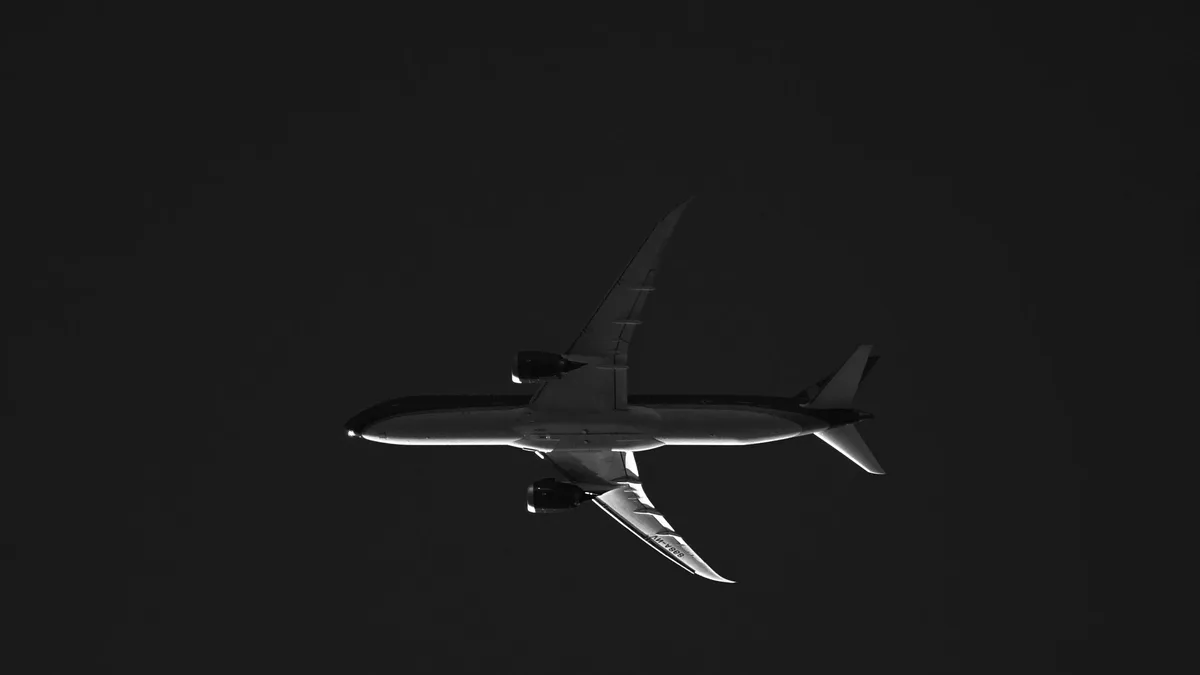
In March 2026, the Federal Aviation Administration (FAA) certified new maximum takeoff weights (MTOWs) for the 787-9 and 787-10, bumping their gross weights to 259.2 tons and 260.4 tons, respectively (up from 254.7 tons and 254 tons). This gave the 787-9 about 310 nautical miles (575 km) in range, while the 787-10 gained about 430 nautical miles (796 km) in range. This brings the 787 family closer to the A350 in capability, which matters because this is the A350's key advantage over the 787.
The 787-9 is already used on many of the world's longest routes, but it faces payload limitations at the extremes of what some airlines operate. Air Canada and Qantas have already ordered A350-1000s to displace 787-9s on existing routes, and while it's clear this isn't a flaw of the 787-9 (given just how much larger the A350-1000 is), this will improve ULH route economics with the aircraft. This will also make the aircraft more competitive with the A350-900, which is slightly larger and has always had a much higher payload capacity, but less so now.
However, the 787-10 is the real story here. It seats more passengers than the A350-900, yet it burns about the same amount of fuel, or less, than the A350 because it's lighter. The disadvantage is that the 787-10 can't carry as much payload and has significantly less range; its longest regularly scheduled route today is from Chicago to Tokyo. But now, the 787-10 is more competitive with the A350-900 on long-haul routes with its payload-range capabilities, while still retaining its slight efficiency advantage.
The 787-10 was already more capable than some may have realized, but it now has a range of roughly 6,760 nautical miles (12,519 km) with a typical payload. This makes it viable for airlines like EVA Air and Air New Zealand to operate on routes previously requiring the larger A350-900. American Airlines can now consider the 787-10 for transatlantic routes that were previously limited.
Over 30 airlines have ordered both the Airbus A350 and Boeing 787. Airlines use each aircraft where it performs best: the 787-10 for shorter transatlantic routes and the A350 for flagship long-haul services. The 787-9 remains popular, with its capabilities overlapping significantly with the A350.
The A350-900 now has an MTOW of 283 tons and a range of 8,500 nautical miles (15,750 km), while the A350-1000 has an MTOW of 322 tons and a range of 9,000 nautical miles (16,700 km). Airbus has improved fuel efficiency through engine upgrades and aerodynamic enhancements, with the XWB-84 EP variant delivering a 1.8% reduction in fuel burn.
Boeing's 787-10 backlog exceeds 400 aircraft, while the A350-900 has over 500 orders and the A350-1000 has over 250. The two aircraft continue to complement each other in airline fleets, with the 787-10's range improvements increasing its versatility without displacing the A350.