Boeing to Rework 30 Stored 777X Jets Before 2027 Deliveries
Boeing CEO Kelly Ortberg says 30 completed 777X aircraft require extensive modifications due to design changes from flight testing, with older airframes
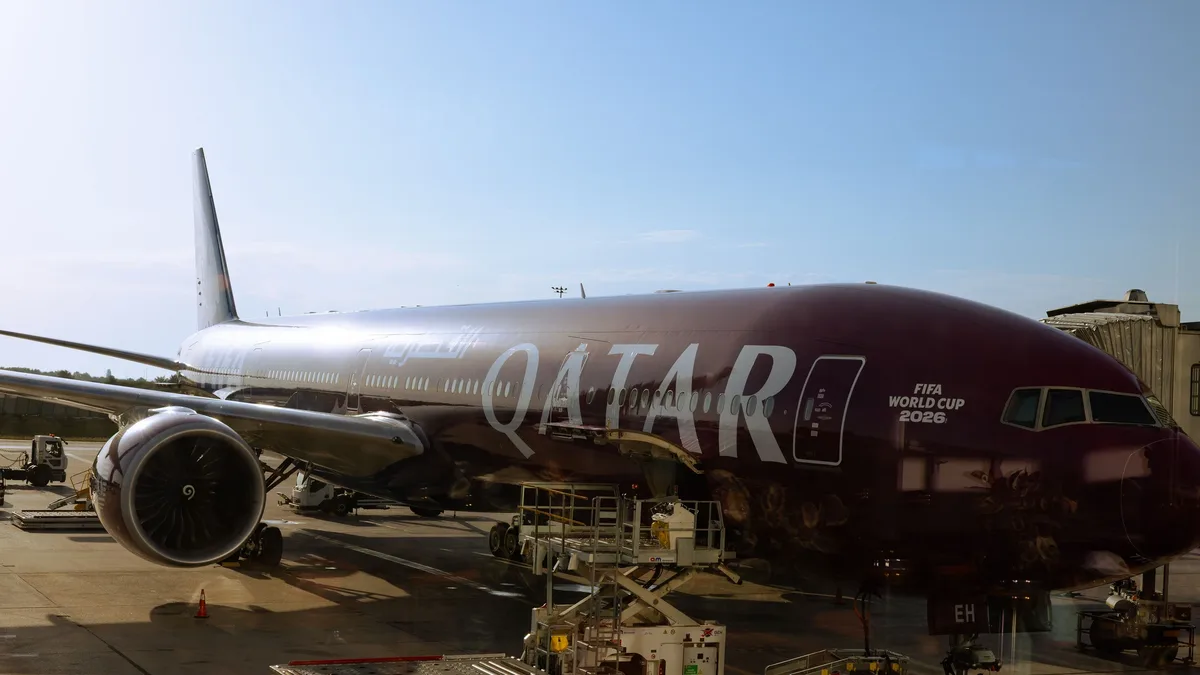
Boeing CEO Kelly Ortberg disclosed that approximately 30 already-built 777X aircraft will require a 'change incorporation' process before they can be delivered to airlines. The rework, stemming from design changes identified during the prolonged certification flight test program, is described as a 'pretty massive activity' that will take several years to complete.
According to Simple Flying, the scope of modifications depends on the age of each airframe. Older aircraft will require more structural-related changes, while newer builds will need only minor software and systems updates. The goal is to bring all stored jets to a common configuration before applying final certification changes.
Already Built Jets Await Major Work
These 30 aircraft were built years ago during the early stages of 777X production and now sit in storage. Boeing continued producing them to support the certification process and keep its widebody assembly line active, but this build-and-store strategy has locked up substantial capital. The jets occupy storage space at Seattle Paine Field International Airport and cannot generate revenue until modified.
Ortberg explained the rework involves updating early-production planes with the latest design changes to meet current certification standards. Industry analysts believe the effort could involve opening completed fuselage and wing sections, replacing structural components, and updating avionics.
A Dedicated Team for a Massive Task
Boeing has established a dedicated team to manage this complex rework program. This move is significant given the company's recent workforce challenges, including layoffs in late 2024 that affected hundreds of engineers and technicians. The creation of a specialized team shows the scale of the task as Boeing aims to deliver the first 777-9 in 2027.
The manufacturer appears to have underestimated the engineering effort required to certify the aircraft's composite wing and struggled with introducing a new fuselage manufacturing process. These factors have compounded the program's complexity and delays.
Certification Progress Amid Setbacks
Despite the rework challenge, the 777X certification program is advancing. In March 2026, the FAA authorized Boeing to begin Phase 4A of the Type Inspection Authorization (TIA) process for the 777-9 variant. This phase focuses on natural icing tests, currently believed to be taking place in Alaska.
The TIA process is divided into five phases. Boeing is awaiting FAA approval to begin Phase 4B testing, with Phase 5 and subsequent ETOPS and Function and Reliability testing still to come. These final stages require aircraft in a delivery-ready configuration.
| Certification Phase | Primary Focus |
|---|---|
| Phase 4A | Natural icing tests |
| Phase 4B | To be determined by FAA |
| Phase 5 | Limited series of certification tests |
| Post-Phase 5 | ETOPS and Function & Reliability testing |
The Path to 2027 Deliveries
Boeing has officially confirmed that the 777-9 is still on track for first delivery in 2027. In its first-quarter 2026 results, the company stated the program 'continued to make progress' on certification. However, the need to rework 30 stored jets raises questions about the true cost of the strategy for customer airlines like Emirates and Lufthansa.
The 777X program, launched in 2013, has become one of the most delayed in aviation history. It features GE9X engines and folding wingtips, with the 777-9 configured for 426 seats and the 777-8 for 395 seats. Testing is now in TIA phase 4a, with the dedicated modification team working to clear the stored inventory for eventual service entry.