Boeing Forecasts 2,930 Freighter Deliveries Through 2045
Boeing's 2026 World Air Cargo Forecast projects a need for 2,930 new and converted freighters over 20 years as air cargo traffic doubles.
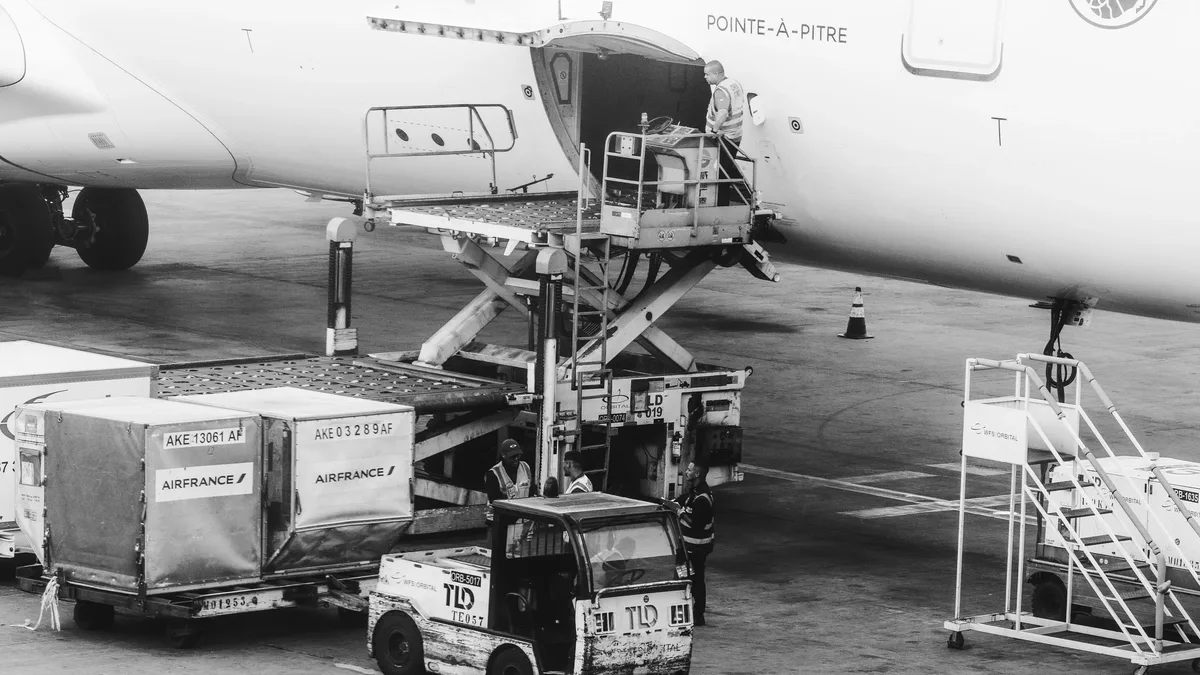
Boeing projects demand for 2,930 freighter deliveries between 2026 and 2045 to meet doubling air cargo traffic. The company released its 2026 World Air Cargo Forecast on October 28, 2026, at The International Air Cargo Association’s Air Cargo Forum in Miami. Global air cargo traffic reached a new annual record in 2025, growing nearly 5% year over year. Boeing expects this traffic to increase by an average of 3.5% annually over the next two decades.
Fleet Growth and Replacement Dynamics
The global freighter fleet is projected to grow 67%, from 2,395 aircraft in 2025 to 4,010 by 2045. Of the 2,930 forecasted deliveries, 55% will add new capacity while 45% will replace older, less efficient aircraft retiring from the fleet.
Conversion Dominance in Deliveries
Nearly two-thirds of the required freighters will be converted passenger airplanes. The remainder will be new-production models. The market for conversions currently includes narrowbody aircraft like the Boeing 737-800 and Airbus A321, as well as larger Boeing 767 and Airbus A330 platforms. New-build options will include the existing Boeing 777F and upcoming models like the 777-8F and Airbus A350F.
| Delivery Type | Share of 2,930 Forecast Deliveries |
|---|---|
| Converted Passenger Aircraft | Approximately 2/3 |
| New-Production Freighters | Approximately 1/3 |
Critical Role of Dedicated Freighters
Dedicated freighters are expected to continue carrying more than half of global air cargo traffic. They historically transport about 55% of cargo tonne-kilometers. Darren Hulst, Boeing vice president of Commercial Marketing, stated that dedicated freighters will remain essential to global commerce as demand for time-sensitive, high-value goods grows.
Growth is attributed to diversifying supply chains, rising e-commerce volumes, and time-sensitive shipments for advanced manufacturing and AI hardware. More than 70% of AI-related goods were transported by air in 2025, according to IATA data cited by Boeing. Growing demand for express services will lift integrators' share of global air cargo traffic to nearly 25% by 2045.
Routes serving Asia are expected to lead growth, accounting for roughly 60% of the global air cargo market. The industry's value is significant. Air cargo represents less than 1% of global trade by volume but roughly one-third of its value. In 2025, airlines with freighter operations accounted for approximately 90% of air cargo industry revenue of approximately $170 billion.
Darren Hulst said, "Air cargo’s adaptability and speed are strategic advantages enabling reliable transport, dynamic rerouting and critical support for evolving supply chains." The forecast states carriers will adapt route networks to shifting trade lanes and manage geopolitical disruptions. The 20-year horizon for fleet modernization and capacity expansion ends in 2045.