GE9X Engine Mid-Seal Crack Reveals Scale-Driven Design
A crack found in the GE9X engine's mid-seal during a January 2026 inspection highlights the unique engineering challenges created by its record 134-inch
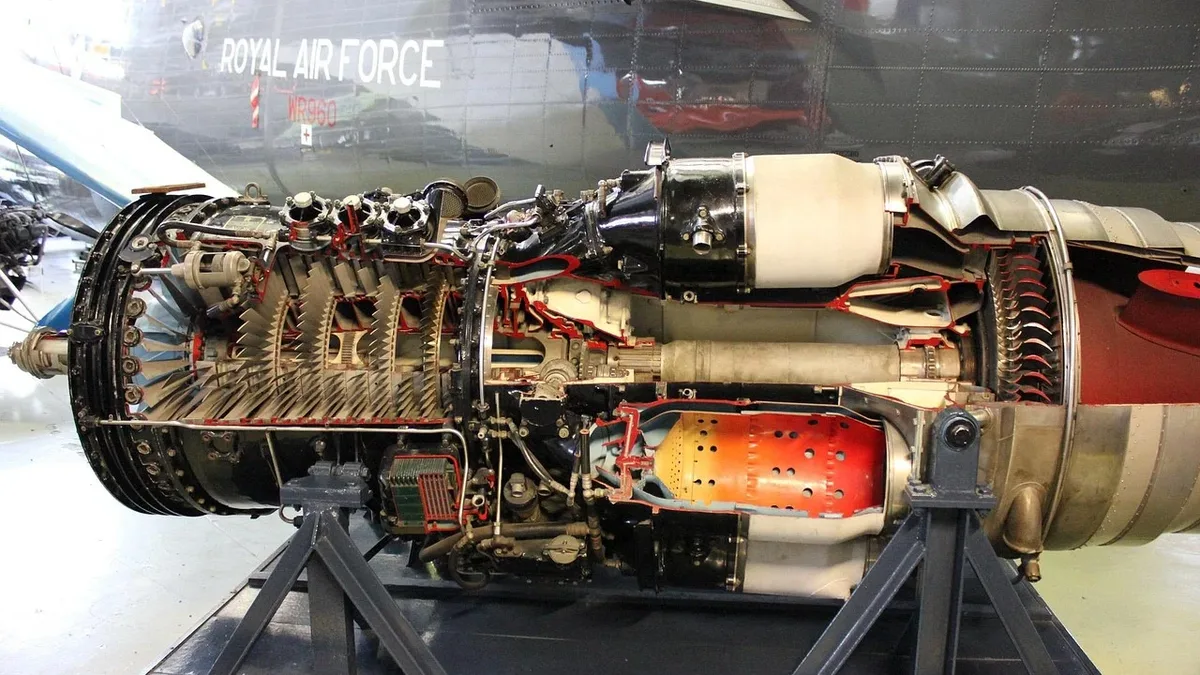
A crack discovered in the General Electric GE9X engine's mid-seal during a January 2026 inspection shows the extreme engineering demands of its unprecedented 134-inch fan. The issue, while not expected to delay the Boeing 777X program, reveals how scaling an engine to this size creates cascading stresses throughout its core.
The GE9X is not a simple evolution but a machine that pushes the physical limits of size, airflow, pressure, and temperature in ways no previous commercial aircraft engine has. The mid-seal problem illustrates how internal components deep within the engine core are affected by decisions made for the massive fan.
The 134-Inch Fan's Domino Effect
The GE9X's 134-inch (3.4 meter) fan is the largest ever fitted to a commercial jet. This size allows it to move a huge volume of air, improving fuel efficiency by roughly 10% compared to its predecessor, the GE90. However, scaling to this diameter is not straightforward. A larger fan requires a more powerful core to drive it, operating at higher pressures and temperatures that push materials to their limits.
The fan's high rotational inertia also means acceleration, deceleration, and load transitions place greater stress on shafts, bearings, and other components. The engine, rated for 110,000 lbs of thrust, has demonstrated up to 134,300 lbs in testing. These immense forces ripple through the entire engine, influencing component behavior during critical phases like take-off.
Core Pressures and the Mid-Seal's Role
The relationship between the fan and the core is key to the mid-seal issue. A larger fan demands a higher overall pressure ratio in the core. This creates hotter, denser, and more energetic airflow entering the turbine stages, increasing thermal and mechanical loads on internal parts.
The mid-seal sits between turbine stages, managing pressure differentials and thermal gradients to maintain stability. In the GE9X, the conditions around this seal are more extreme than in past engines. The higher pressures and temperatures create an environment where small design or material limitations can lead to durability concerns. The January 2026 crack shows the sensitivity of components operating at the edge of current engineering capabilities.
A Redesign and a History of Hurdles
General Electric confirmed it has identified the root cause of the mid-seal issue and is introducing a redesigned part into production. The need for a redesign, rather than a simple repair, suggests the original part encountered conditions exceeding initial expectations. This redesigned component should help ensure the first variant, the Boeing 777-9, is delivered in 2027 to launch customer Lufthansa.
This is not the program's first challenge. The GE9X has previously faced high-pressure compressor stator vane durability issues in 2019, a temperature alert that suspended flight testing in 2022, and a 2024 grounding related to titanium thrust link failures. Each event reflects the difficulty of engineering reliability at unprecedented performance levels.
Testing and Advanced Materials
Despite these hurdles, the engine has undergone extensive validation. Testing includes more than 30,000 cycles and over 1,600 dust ingestion tests designed to simulate harsh environments. The program also use advanced materials like ceramic matrix composites and additive-manufactured metal components to withstand higher temperatures and stresses.
These materials bring benefits but also new challenges in manufacturing consistency and long-term behavior. Each innovation introduces new variables, especially in an engine of this scale.
A Unique Design Space
The GE9X's problems are largely unique due to its fan's sheer scale. Engines with smaller fans do not require the same extreme pressure ratios or thermal intensity, allowing them to operate with lower internal stresses. The GE9X exists in a design space where traditional engineering assumptions must be revisited.
Components that performed reliably in other engines may behave differently under the conditions created by a 134-inch fan. The engine is exploring a new corner of the performance envelope, making it more susceptible to unforeseen interactions between components over thousands of operating cycles.
Boeing and General Electric maintain the mid-seal issue will not delay the planned 2027 service entry for the 777-9. Certification flight testing continues with the redesigned component being integrated. According to the source, data shows Emirates is set to become the largest 777X operator.
| Airline | 777X Orders |
|---|---|
| Emirates | 270 |
| Qatar Airways | Not Specified (Next Largest) |
The balance between efficiency, driven by airlines' demand for lower fuel consumption, and the need for stringent reliability is at the heart of the GE9X's development. The engine's 134-inch fan embodies this tension more than any other in commercial aviation.