GE Aerospace Acquires CPP for $11.75 Billion to Secure
GE Aerospace has agreed to acquire Consolidated Precision Products (CPP) for $11.75 billion, its largest deal since becoming a standalone company, to
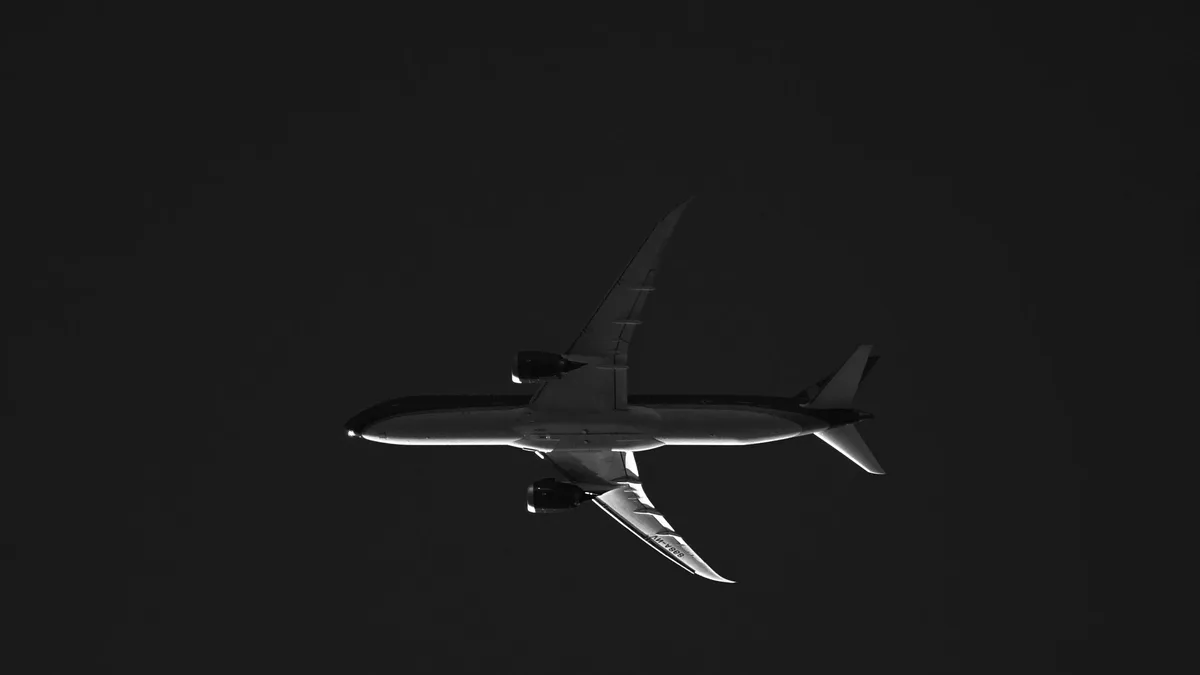
GE Aerospace has agreed to acquire Consolidated Precision Products (CPP) for $11.75 billion. This is the company's largest acquisition since becoming a standalone entity in 2024, a move designed to secure airfoil supply and ease bottlenecks in advanced engine component production. GE Aerospace expects demand for these critical parts to rise by more than 30% by 2030, driven by commercial, defense, and aftermarket engine programs.
CPP's capabilities and role in aerospace
CPP is a world-leading producer of complex titanium, aluminum, and superalloy castings and airfoils. Its components, designed to endure the extreme heat, pressure, and stress inside a jet engine's hot section, are used in turbine blades, nozzle guide vanes, and other airfoils. The company employs 6,600 people across 20 global facilities in the United States, Mexico, Poland, Belgium, and Slovakia.
About 70% of CPP's revenue comes from commercial and defense engines. Its customers include high-profile manufacturers like Honeywell, Pratt & Whitney, and Lockheed Martin. CPP also supplies components for GE's own LEAP and GEnx commercial engines, making parts for nearly every major current-generation commercial aircraft program.
Technical challenges in airfoil production
Producing the most advanced components, like single-crystal turbine blades, is a lengthy and costly endeavor. It takes between 60 and 90 weeks to create a batch of 40 such blades, at a cost exceeding $600,000. These blades are grown as a single metallic crystal using the Bridgman method of directional solidification to prevent weak spots from grain boundaries.
The fabrication process is delicate. The component is removed from the furnace at a rate of just a few inches per hour. Any deviation from ideal temperatures can create defects, rendering a blade unusable. Building the specialized workforce and facilities required for this work takes years, contributing to the industry's supply constraints.
Integration and operational improvements
Upon closing, CPP will be absorbed into GE Aerospace's FLIGHT DECK operating model. This system of events, policies, and coaching is designed to boost safety, delivery, quality, and cost for engine components. GE cites its Pomigliano site in Italy, operated by Avio Aero, as an example where FLIGHT DECK has produced tangible output improvements by streamlining workflow.
GE plans to increase CPP's output by improving factory yields and machine utilization while reducing scrap and rework. The company also expects that bringing airfoil design and manufacturing closer together will shorten development times and ease production ramps for new parts. CEO Larry Culp stated that this investment in casting capacity is essential to support simultaneous demand across all engine segments.
Financial structure and timeline
The $11.75 billion acquisition will be funded with $7 billion in cash, with the remainder financed through new debt. CPP is expected to generate roughly $2 billion in revenue in 2027. The deal values CPP at 26 times its expected 2027 core profit, a multiple that falls to about 18 times when anticipated synergies from the combination are factored in.
| Financial Metric | Detail |
|---|---|
| Total Acquisition Value | $11.75 billion |
| Cash Portion | $7 billion |
| CPP Expected 2027 Revenue | ~$2 billion |
| Valuation (Pre-Synergy) | 26x 2027 EBITDA |
| Valuation (Post-Synergy) | 18x 2027 EBITDA |
CPP CEO James Stewart called GE Aerospace "a great partner to CPP for many years." He said the companies will now partner in "delivering meaningful value and advancing the success of both organizations." The transaction is expected to close in the second half of 2027, subject to regulatory approvals.