ATC Detects Altitude Errors from Incorrect Altimeter
A flight instructor's common training trick of resetting a student's altimeter mid-flight highlights how ATC uses transponder data to catch altitude
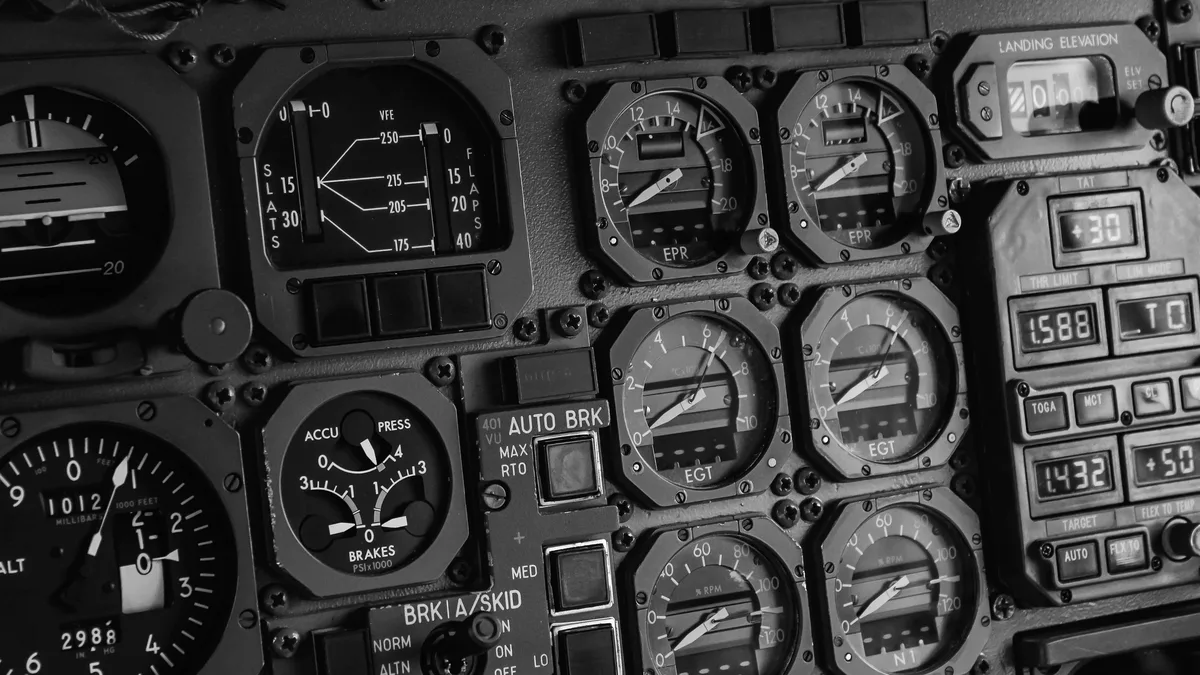
A student pilot with about five hours of experience reported an incident where a Certified Flight Instructor reset the altimeter during flight. The altimeter was left a couple of hundred feet off after the CFI's adjustment, and the student did not notice the incorrect setting until after landing. The instructor had distracted the student to perform the sneaky reset as a training exercise.
How ATC monitors altitude
Air traffic control receives altitude data from an aircraft's transponder. This transponder reports pressure altitude, which is referenced to a standard setting of 29.92 inches of mercury. Pressure altitude is not the same as the altimeter setting a pilot adjusts using the Kollsman window in the cockpit.
The transponder gets its information from the aircraft's encoding altimeter. This instrument measures atmospheric pressure against the 29.92 Hg standard. Crucially, when a pilot turns the Kollsman window to set the local barometric pressure, it does not change the data sent to the transponder. ATC sees the pressure altitude regardless of the pilot's altimeter setting.
The safety net
An incorrect altimeter setting by the pilot does not directly change the altitude ATC sees on its screen. However, if that wrong setting causes the pilot to fly at an actual altitude different from what ATC expects, the system will detect the discrepancy. Controllers will then issue alerts.
For example, if a pilot is assigned to fly at 2,000 feet but an incorrect altimeter setting causes them to fly at an actual 1,500 feet, the transponder will show that lower pressure altitude. ATC may then issue a low altitude alert to the aircraft. In such cases, a controller will often provide the pilot with an updated altimeter setting to correct the error.
The teaching intent
The sneaky altimeter reset by the CFI is a known training trick. Its intent is to teach student pilots to verify altimeter settings using automated weather sources before entering the traffic pattern. This common teaching method is designed to train students to always check their settings and to build strong situational awareness.
Meg Godlewski said: "Meg Godlewski has been an aviation journalist for more than 24 years and a CFI for more than 20 years."
Despite its educational purpose, this method has led to multiple incidents. Many student pilots have completed landings with incorrect altimeter settings as a result. For learner pilots, recognizing they are slightly too high or too low in the pattern and then double-checking the altimeter is considered a proud milestone. The student pilot in this case landed with the incorrect setting and only noticed the error after touchdown.