NASA Unveils X-70 Fractal Crewed Research Aircraft
NASA has introduced the X-70 Fractal, a new crewed experimental aircraft designed to test advanced, reconfigurable flight-control systems.
NASA announced the X-70 Fractal on November 4, 2026. The unveiling took place at the UP.Summit at NASA’s Kennedy Space Center in Florida. This new crewed experimental aircraft is designed to test advanced flight-control systems and explore new levels of aircraft maneuverability.
NASA Administrator Jared Isaacman introduced the high-performance, highly adaptable crewed research platform. The agency expects the aircraft to make its first flight under NASA operations within two years. The X-70 Fractal is part of NASA’s renewed push toward an expanded X-plane portfolio.
Key specifications and capabilities
The X-70 is a fighter-sized aircraft designed for rigorous flight testing. Its modular design allows it to carry a significant amount of research equipment. Key performance parameters set a foundation for a wide range of experimental missions.
| Specification | Detail |
|---|---|
| Maximum Takeoff Weight | 10,000 pounds (4,535 kilograms) |
| Cruise Speed | Mach 0.75 |
| Altitude Ceiling | 45,000 feet |
| Operational Range | Exceeding 1,500 nautical miles (2,778 km) |
| Experimental Payload Capacity | Up to 2,000 pounds (907 kg), internal and external |
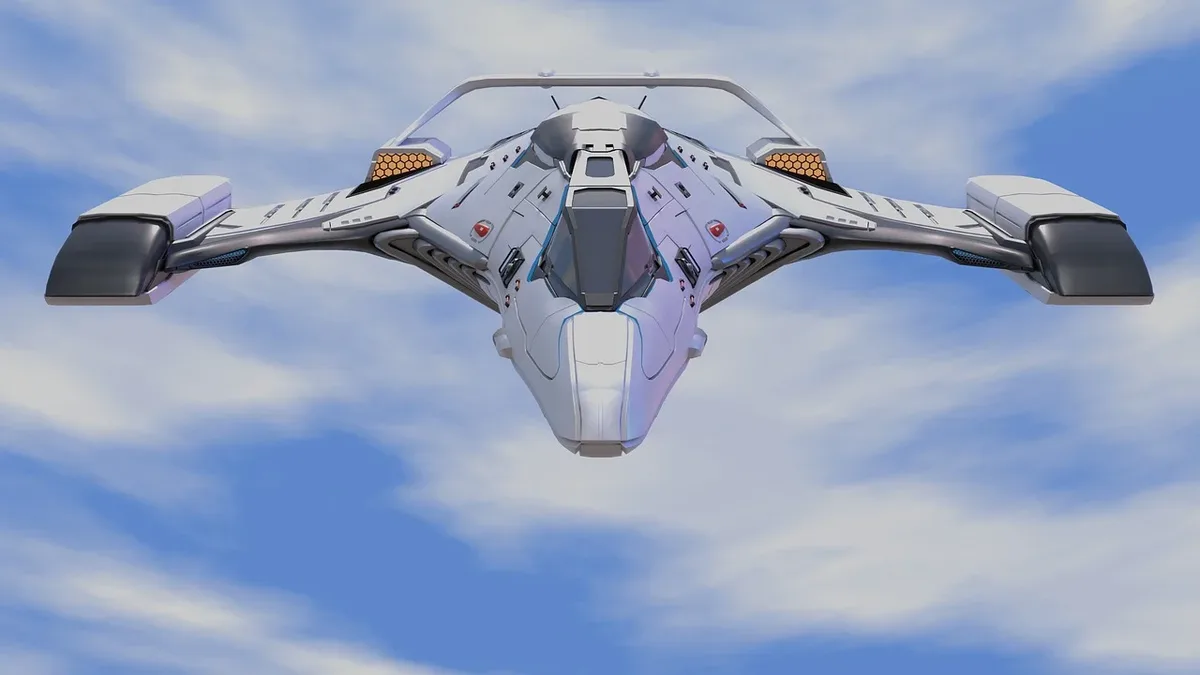
The design, as shown in a generated image, features two canted vertical tail fins and a bubble canopy. It is intended to advance flight control technology beyond anything previously tested in a crewed aircraft.
Rapid payload reconfiguration and mission flexibility
A core innovation of the X-70 is its modular architecture. Unlike experimental aircraft developed around a single technology, the Fractal will accommodate different research equipment and flight-test objectives. Administrator Isaacman stated that this will allow rapid swapping of internal and external payloads to accelerate testing and learning cycles.
This approach is designed to keep research teams flying and moving quickly from one experiment to the next. The reconfigurable controls will let researchers investigate how new systems affect aircraft behavior across diverse flight conditions. The platform will support research across a broad range of operating environments.
Integration into NASA's X-plane portfolio
The X-70 joins a historic lineage of experimental aircraft. NASA’s long-running X-plane program has contributed to advances in high-speed flight, aerodynamics, and aircraft technology since the Bell X-1 first broke the sound barrier in 1947. Previous milestones include the hypersonic research conducted by the rocket-powered X-15 during the 1950s and 1960s.
The aircraft will join the NASA aeronautics fleet as the agency continues work on other projects like the X-59 quiet supersonic demonstrator. The X-59, which has been flying for over a year, is designed to fly at speeds over Mach 1 without producing typical sonic booms. The X-70 represents a parallel path focused on control and maneuverability rather than speed.
NASA emphasized the X-70’s role in accelerating the development of next-generation American aviation technologies. The aircraft will be used to explore emerging concepts like shape adaptation and active flow control in real flight. It expands the agency’s capacity to conduct flight research, particularly in advanced flight controls and aircraft handling.
Laurie Grindle, director of the Aeronautics Division within NASA’s Research and Technology Mission Directorate, noted the enduring importance of X-planes for developing technologies that advance aviation. Administrator Jared Isaacman framed the unveiling as part of a larger momentum. He said, "This is why people come to NASA: to build, to learn, and most importantly, to fly." Isaacman added that the X-70 is just one part of this new beginning for aeronautics.