Canada and EU Plan Joint Purchase of 50 De Havilland Water Bombers
Canada and the European Union will jointly procure 50 De Havilland amphibious water bombers for wildfire response, aiming for deployment by 2030. The initiative, part of a broader summit agenda, seeks to boost transatlantic aerial firefighting capacity.
Canada and the European Union will jointly purchase 50 water bombers made by De Havilland Aircraft of Canada for deployment against wildfires by 2030. The draft joint statement for the upcoming Canada-EU summit in Montreal outlines the plan to strengthen transatlantic aerial firefighting capabilities. The specialized amphibious aircraft are planned for deployment across both regions starting in that year.
This proposed joint procurement establishes a shared infrastructure asset to enhance climate resilience across North America and Europe. Securing a manufacturing commitment for 50 specialized aircraft guarantees long-term fleet availability and industrial stability for aerial firefighting manufacturing. By uniting procurement demands, Canada and the European Union optimize capital deployment while expanding seasonal firefighting capacity.
Aircraft specifications and current program
The aircraft at the center of the deal is the De Havilland Canadair 515 (DHC-515). This model is the successor to the Canadair CL-215 and CL-415 amphibious water bombers. Production is already underway for existing orders.
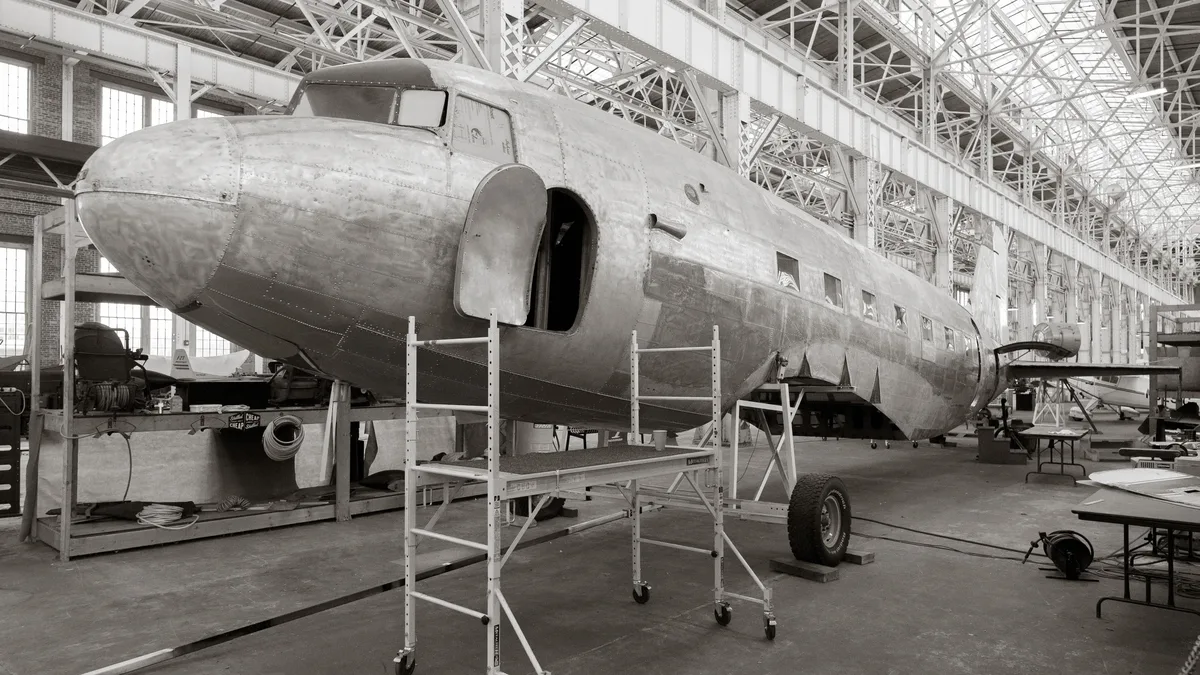
In a March 10, 2026, production update, the manufacturer stated it was building 22 DHC-515s for six European nations: Croatia, France, Greece, Italy, Portugal and Spain. The manufacturer had also signed contracts with the Canadian provinces of Manitoba, Ontario and Alberta by that date. The first aircraft was still in structural assembly, with its cockpit and hull joined in Calgary and its first wing box completed.
These amphibious aircraft are capable of scooping thousands of liters of water from lakes or coastal bodies. Deploying them speeds up drop intervals and delivers continuous aerial suppression over intense fire zones.
Context of existing EU firefighting fleet
The European Union already has substantial commitments for the DHC-515. The existing order for 22 aircraft is linked to rescEU, the reserve of emergency response assets established under the EU Civil Protection Mechanism. De Havilland Canada and the EU concluded contract negotiations for these 22 aircraft in October 2024.
| Procurement Type | Number of Aircraft |
|---|---|
| European Commission (rescEU fleet) | 12 |
| National purchases | 10 |
The first deliveries from this existing 22-aircraft order are expected at the end of 2027.
Uncertainties in the new deal
Key details of the new Canada-EU initiative remain unspecified. The draft summit statement does not clarify how the 50 new aircraft would be divided between Canadian and European buyers. It also leaves open whether some or all of the existing 22-aircraft European order would count toward the proposed 50-aircraft total.
Broader summit agenda
The water bomber plan is one element of a wide-ranging draft statement for the summit, scheduled for October 29 and 30, 2026, in Montreal. The document envisions deeper cooperation on defense, the Arctic, energy, and artificial intelligence. It states, "Canada and the EU, with our unparalleled trade access, shared values, and complementary economic strengths, can build a deeper and more integrated relationship."
Specific announcements will include a digital trade deal, an agreement to strengthen cooperation between competition authorities, and a pact allowing the European Investment Bank to fund Canadian critical minerals projects. The parties will also launch negotiations on a framework for Canadian participation in Galileo, the EU’s satellite navigation program. Other plans involve expanding youth mobility through the Erasmus program and conducting a feasibility study on liquefied natural gas exports to Europe.
The draft text was circulated by the General Secretariat of the Council of the EU to member state delegations on September 22, 2026. The Council’s cover note described the text as "received from Canada" and asked for written comments by September 28, 2026. The final statement and announcements will be discussed at the October summit in Montreal.