Airbus A321neo Fuselage Coating Flaw Affects Over 500 Jets
Airbus has confirmed a quality issue with the anti-corrosion coating on fuselage stringers in over 500 A321neo aircraft, tracing it to a second-tier
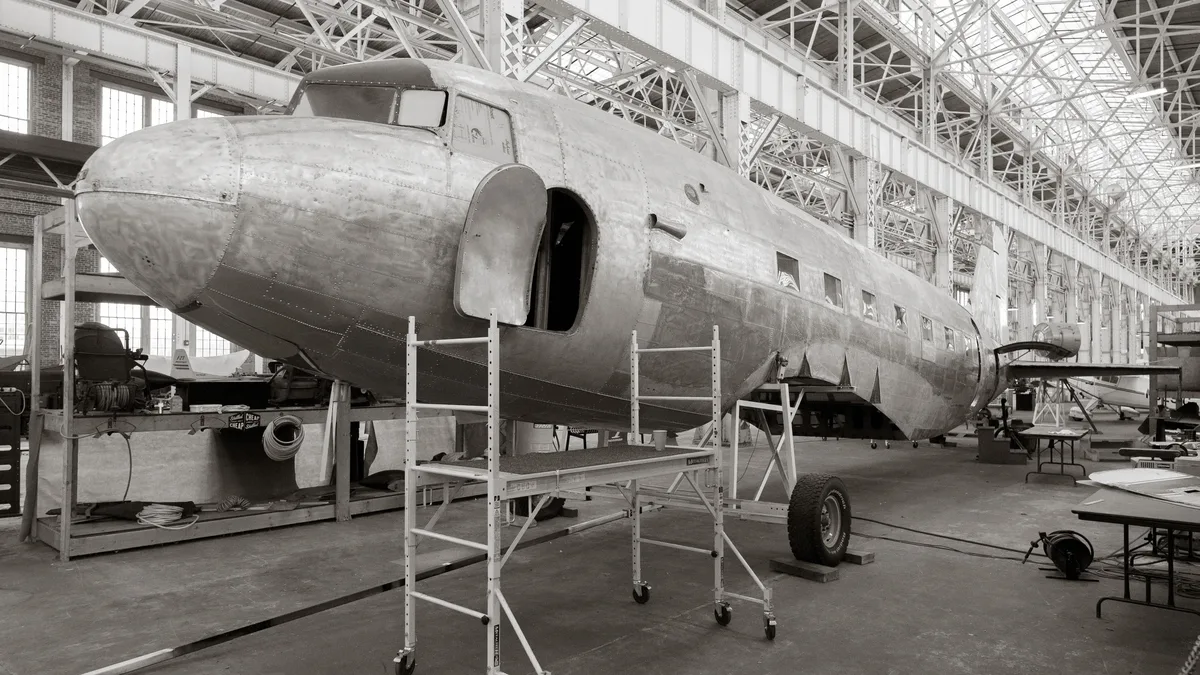
Airbus has confirmed a surface protection deviation on stringers in the lower forward fuselage of approximately 500 A321neo aircraft. The flaw, traced to a second-tier supplier, affects over 500 jets with around 250 already in service and another 250 still in production. Airbus describes it as a quality issue, not a safety issue, and says aircraft can continue operating.
Stringers run lengthwise along the fuselage and contribute to the aircraft’s structural framework. The deviation involves the anti-corrosion coating applied to these components. The problem was discovered this summer while affected parts were undergoing rework on the production line. The issue has been contained at its source, which is subcontractor TESI, a supplier to Italy's Leonardo.
Remedy applied without structural disassembly
A remedy for the coating flaw is available. The required rework does not necessitate disassembling the stringers. An Airbus spokesperson explained the process: "The rework doesn't require any disassembly of the stringers." Airbus has told customers there is no immediate requirement to repair affected aircraft before delivery or continued operation.
Supply chain and production context
The affected aircraft are at various stages of completion across Airbus's global supply chain in Europe, the United States, and China. Leonardo is one of two stringer suppliers for the A321neo, alongside Airbus Atlantic, formerly known as Stelia. All newly coated stringers now conform to Airbus requirements. To address its substantial A321neo backlog, Airbus is reviving its disused former A380 wing plant in Broughton, Wales.
Operational status and regulatory outlook
Customers are continuing to accept aircraft deliveries without requesting additional work in advance. European regulators could, however, require repairs within a specified period through an airworthiness directive. Any such regulatory action would establish formal inspection or repair timelines. Delta Air Lines, an A321neo operator, said it remains in communication with manufacturers and will take action to meet or exceed applicable operator recommendations and regulatory directives.
Broader A321neo program and production goals
The A321neo is the largest and best-selling member of the A320 family, central to Airbus's narrow-body plans. The model has received almost 8,000 orders and over 2,200 deliveries, leaving a backlog of more than 5,600 aircraft. Its specifications support its role in high-capacity, single-aisle operations.
| Specification | Detail |
|---|---|
| Maximum Seating | 244 passengers |
| Typical Two-Class Seating | 180-220 passengers |
| Published Range | Up to 4,000 nautical miles (approx. 7,400 km) |
Airbus is working to increase A320neo-family output from around 60 aircraft per month toward a target of 75 by the end of 2027. The longer-range A321XLR variant, which entered service in late 2024, is not affected by this coating issue. Airbus is targeting around 870 commercial aircraft deliveries in 2026 and needs to deliver about 395 more aircraft in the final four months to reach its goal.