Estonia Considers Light Jets to Counter Russian Drones
Estonia's defense minister advocates for acquiring light jet aircraft to intercept fast Russian jet-powered drones, citing a gap in current defenses.
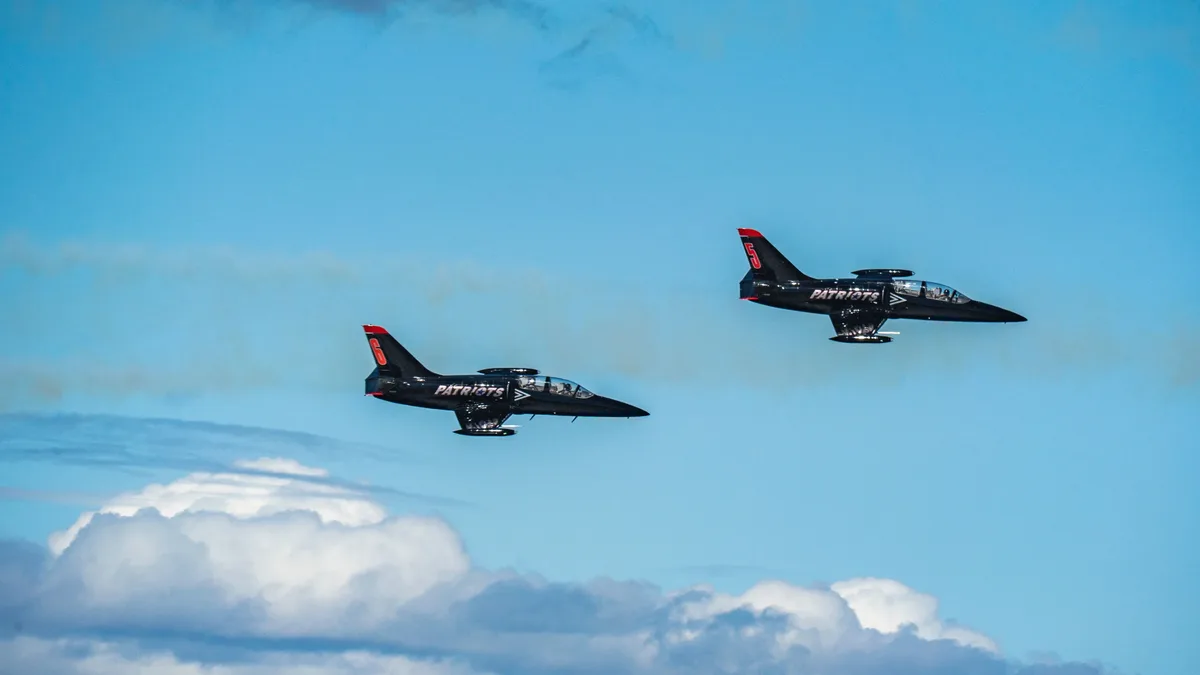
Estonia’s Defense Minister Martin Herem says the country should consider acquiring its own light jet aircraft to counter Russian jet-powered drones. Herem stated that air-to-air weapons fired from aircraft are the most effective way to bring down jet-powered drones.
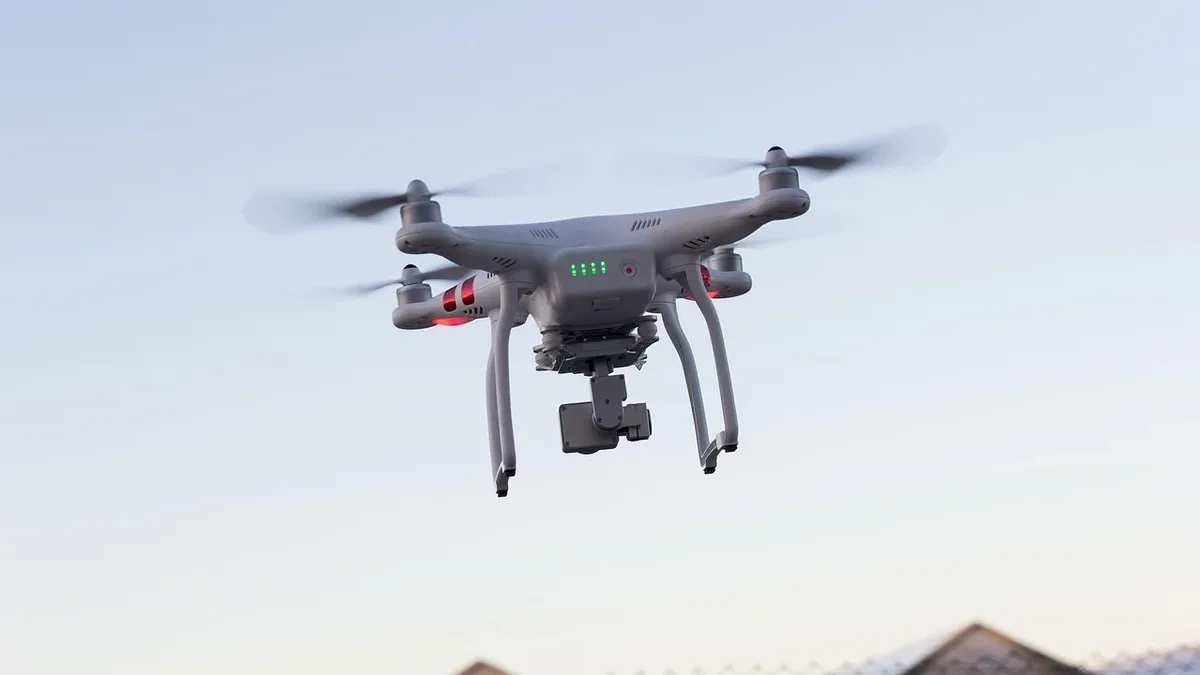
Herem linked the need for light jets to the rapid development of jet-powered attack drones, which are harder to intercept with conventional systems due to their high speed and altitude. He suggested studying whether Estonia's existing L-39 Albatros jet trainers could be adapted to carry a machine gun or small cannon. "Turboprop aircraft may not be enough; we may need light jets," Herem said.
Ukraine’s drone threat and Estonia’s current air capabilities
Ukraine launches roughly 6,000 long-range attack drones each month. Herem said Ukraine’s interception rate against these drones had fallen from about 90% to about 70%. Ukrainian President Volodymyr Zelenskyy said the interception rate for jet-powered drones specifically had dropped to just 57%.
The Estonian Air Force has no combat jets. Its fleet consists of two M28 transport aircraft and leased L-39 jet trainers. Fighter cover for Estonia comes from allied jets under NATO’s Baltic Air Policing mission operating from Ämari Air Base. One of those allied jets shot down a drone over Estonia on May 19, 2026.
Regional context and allied responses to drone threats
Neighboring Latvia is also assessing light combat aircraft for drone interception. Poland has already assigned its FA-50 light fighters to counter jet-powered drones. On May 21, 2026, the presidents of Estonia, Latvia, and Lithuania formally asked NATO to convert the Baltic Air Policing mission into a full air defense mission with counter-drone capabilities.
Russia’s introduction of faster, jet-powered Shahed derivatives has exposed the speed limitations of attack helicopters and turboprop aircraft. Propeller-driven Shahed-type drones were slow enough to be intercepted by turboprop aircraft such as the Embraer A-29 Super Tucano.
Ukraine’s drone countermeasures and bilateral cooperation
Herem made the remarks after meeting Ukrainian President Volodymyr Zelenskyy in Kyiv on October 9, 2026. Following that meeting, the Ukrainian presidency announced an agreement to quickly assemble a package of Ukrainian weapons for export to Estonia under a bilateral “Drone Deal”.
Ukraine is developing its own countermeasures. A Ukrainian manufacturer had begun combat trials of a jet-powered interceptor drone capable of exceeding 600 kilometers per hour. On October 5, 2026, the Ukrainian Air Force reported that AI-assisted robotic machine-gun turrets had successfully shot down Russian jet-powered Geran-5 drones, though their short range limits them to point defense.
Several other Ukrainian companies were developing similar jet-powered interceptor drone systems. The Russian Geran-4 jet-powered attack drone typically flies at between 300 and 400 kilometres per hour and can reach 500 kilometres per hour.
Existing infrastructure and future considerations
The Estonian Air Force uses its leased L-39 jet trainers mainly to train intercept controllers and joint terminal attack controllers. Herem pointed to the L-39 Albatros trainers, pilots, and air control expertise Estonia already has as a foundation. Aero Vodochody and Thales are developing a counter-drone configuration of the L-39 Skyfox, an updated version of the L-39 Albatros.
Light jets could offer a middle ground: enough speed to intercept jet-powered drones, with lower operating costs than high-performance multirole aircraft. Allies like France and the UK have tested guided rockets on fighters to reduce interception costs, but these do little to address the expense of operating frontline fighters.
Estonia is also strengthening its ground-based air defense in Tallinn and received the first components of the medium-range IRIS-T SLM system in June 2026. The country is considering longer-range systems capable of countering ballistic missiles. Whether Estonia moves from discussion to procuring light jets will depend on alliance politics as much as on budget and timeline.