Lawmakers Urge FAA to Pause AI Traffic Tool at Washington Airports
More than two dozen US lawmakers have asked the FAA to suspend use of the SMART AI system at Reagan National, Dulles, and BWI airports due to safety and transparency concerns.
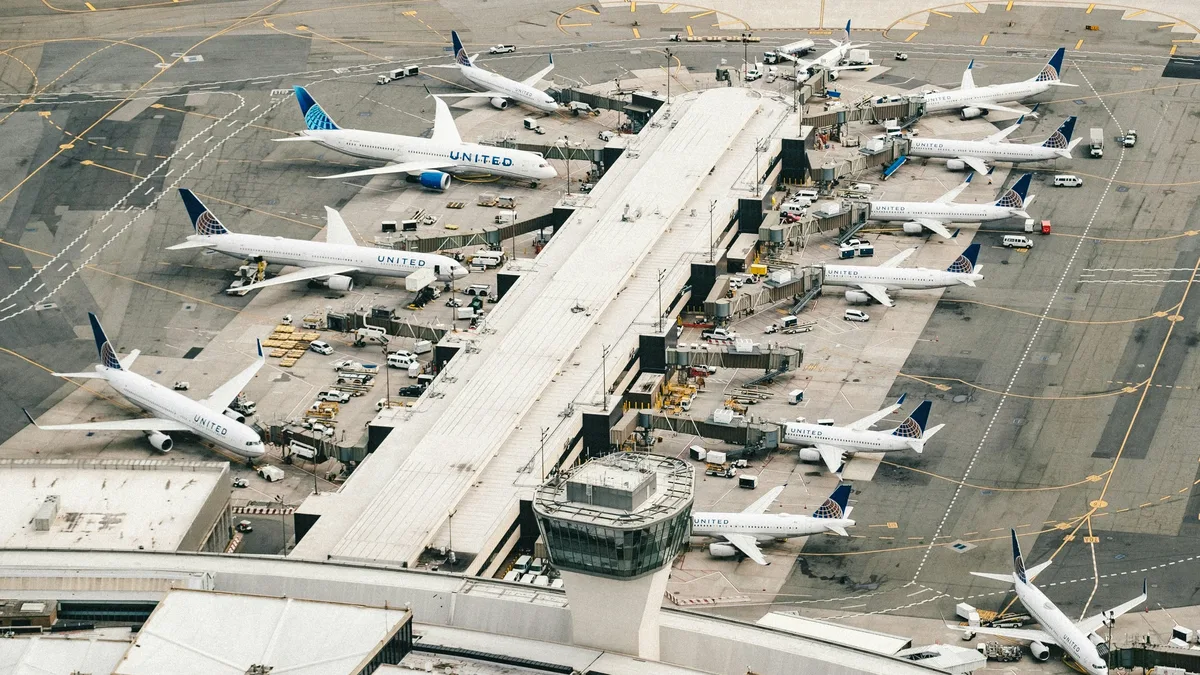
More than two dozen US lawmakers have urged the Federal Aviation Administration to pause the rollout of its SMART AI traffic tool at Washington-area airports. The request targets the Strategic Management of Airspace, Routes and Trajectories system, which began limited operations at Reagan National (DCA), Washington Dulles (IAD), and Baltimore/Washington International (BWI) airports on September 21, 2026.
Safety and accountability questions raised
In a letter sent to Transportation Secretary Sean Duffy and FAA Administrator Bryan Bedford, the lawmakers cited a lack of transparency. They stated they had not seen safety evaluation and testing reports for the AI tool. They also questioned whether aviation safety personnel and airport authorities were adequately consulted before its deployment.
The letter demands details on the system's performance during severe weather or equipment outages. It also asks for clarification on who would be accountable if a system recommendation contributed to a safety incident. Representative April McClain Delaney, a Maryland Democrat leading the effort, said, "I’m calling on the FAA to pause this rollout, show us the safety testing, and explain who is accountable when something goes wrong."
The lawmakers are seeking information on the initial 90-day evaluation period and what standards must be met before the system is expanded nationwide.
FAA positions SMART as decision-support tool
The FAA describes SMART as a decision-support tool that synthesizes approximately 200 data streams. These include live weather, flight paths, traffic demand, and controller staffing. The agency emphasizes that the technology does not replace air traffic controllers. Agency staff review its scheduling recommendations, and local air traffic control leaders retain the authority to accept or reject them.
The FAA states the tools will help airlines and traffic managers adjust routes and departure times earlier. The goal is to reduce delays and make better use of available airspace. The system is being developed with Air Space Intelligence under a broader FAA contract.
Context of limited rollout and airline response
The limited launch followed discussions with major airlines. Before the September 21 rollout, airline officials raised concerns about how SMART would fit into operations. Those concerns eased after the FAA clarified the tool's initially limited role. By the launch date, executives from United, Delta, American, and Southwest had publicly welcomed the initiative.
Delta CEO Ed Bastian said the airline supported SMART. American CEO Robert Isom stressed the need for careful implementation. The FAA has announced plans for a gradual expansion beyond the Washington area.
Broader legislative coalition behind request
The letter reflects bipartisan concern over AI integration in critical infrastructure. Its co-leaders include Representatives Alexandria Ocasio-Cortez, Don Beyer, Kweisi Mfume, Suhas Subramanyam, and Sarah Elfreth. The lawmakers argue that modernizing air traffic control should not precede public safety.
They have asked the FAA and Transportation Department to fully explain how the system works. The request also seeks details on staff training and how the system's effectiveness will be measured. Lawmakers are now awaiting an FAA response to their call for a pause and the disclosure of safety testing, consultation, and accountability details.