Open Door Incident Spurs Global 747-400 Freighter
A UK accident report reveals how a single open cargo door during rain caused a cascade of electrical failures on a 747-400 freighter, leading to new
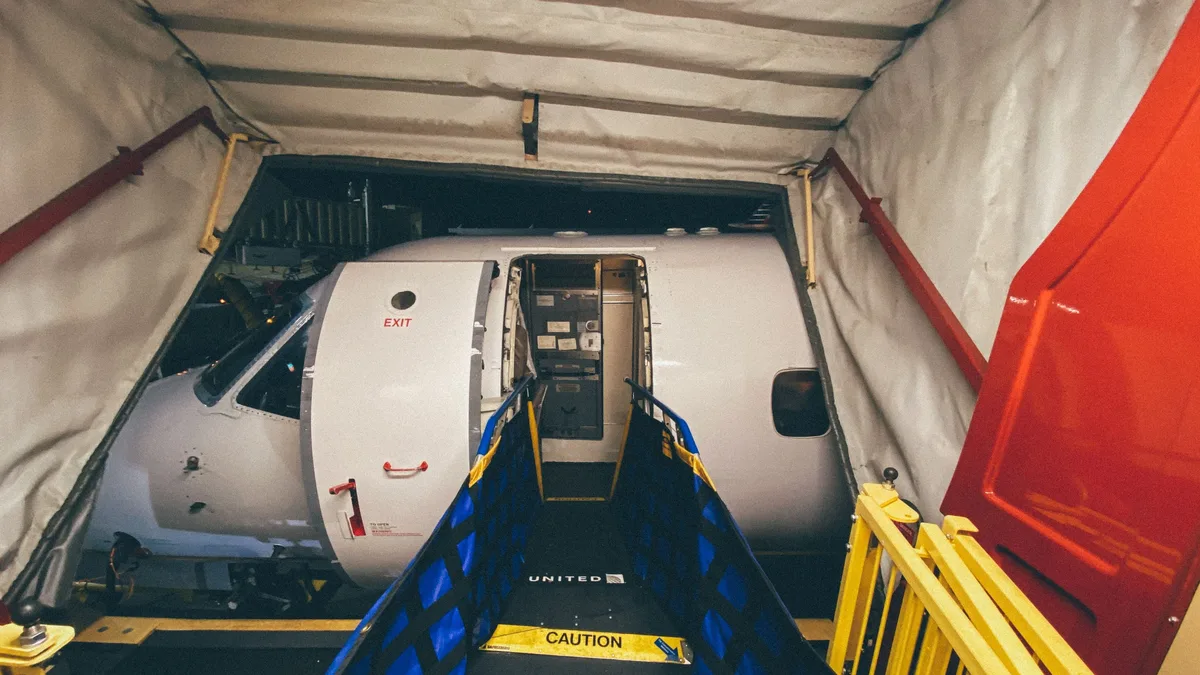
A Boeing 747-400 freighter nearly entered an uncontrolled dive after its pitot tubes froze during a 2024 emergency diversion. The UK Air Accidents Investigation Branch (AAIB) traced the entire incident to water entering the aircraft through an open cargo door at London Heathrow. Its report 2026, has resulted in four safety recommendations that rewrite maintenance rules for every 747-400 freighter still flying.
On February 8, 2024, the freighter G-ONEE departed Heathrow for Hong Kong. During the takeoff roll, AC electrical buses 1 and 4 failed. This cascade of failures included the loss of all pitot tube heating. The crew declared an emergency and diverted toward Amsterdam Schiphol.
A pressurization issue forced a descent into icing conditions. With no heating, the pitot tubes froze. All three airspeed indicators gave false low readings. The autopilot responded by pitching the aircraft into a 7.6-degree nose-down dive. The descent rate hit 6,240 feet per minute before the tubes thawed and control was restored. The crew landed safely in Amsterdam.
The Path of the Water
The AAIB investigation found the sequence began with the L1 cargo door being left open during rain at Heathrow. Water entered the main deck and pooled. It then seeped through multiple degraded barriers into the Main Equipment Center below. This compartment houses critical systems like the Generator Control Units (GCUs) for AC buses 1 and 4.
Investigators found a drip shield had deteriorated. Floor panel seals had degraded. Waterproof tape had lost adhesion. No single fault caused the failure. The AAIB stated that "there have been previous events of water ingress into GCUs" on the 747-400. Past fixes from Boeing and the FAA addressed problems with one-time repairs. They did not mandate recurring checks to see if the protections remained effective over time.
The Cascade of Failures
The water contaminated GCUs 1 and 4, causing them to isolate their electrical buses. Losing both buses simultaneously defeated the built-in redundancy for pitot heating. The crew was immediately flooded with failure messages on the EICAS display.
They had to manage multiple concurrent checklists while flying and communicating with air traffic control. The loss of airspeed data during the descent into icing conditions created the most critical phase. The autopilot's reaction to the false data caused the severe dive.
New Global Maintenance Requirements
The AAIB's four safety recommendations target the inspection gaps. They demand recurring checks of specific components that were previously only fixed once. The global fleet of 80-90 active 747-400 freighters, operated by carriers like Atlas Air, Kalitta Air, and Cargolux, is now affected.
The components requiring new periodic inspections are not complex. The change is more about procedure than cost.
| Component | New Requirement |
|---|---|
| Drip shield above E1/E2 rack | Recurring detailed inspection |
| Floor panel seals | Recurring detailed inspection |
| Waterproof tape around floor penetrations | Recurring detailed inspection |
| Power drive units | Recurring detailed inspection |
| L1 door floor mat | Recurring detailed inspection |
Operators must update their maintenance programs and train inspectors. The average fleet age exceeds 25 years, meaning seals and coatings installed decades ago are now under scrutiny. The burden involves added inspection time and documentation during heavy maintenance visits. The rules aim to ensure water protection systems are not only repaired but remain effective for the freighters' remaining service life.