PT9 turboprop engine certified with 33% more power and 20% lower fuel burn
Pratt & Whitney Canada's new PT9 turboprop engine, targeting the 1,700-2,300 shp class, received Transport Canada certification on October 1, 2026, promising a major leap in efficiency and power.
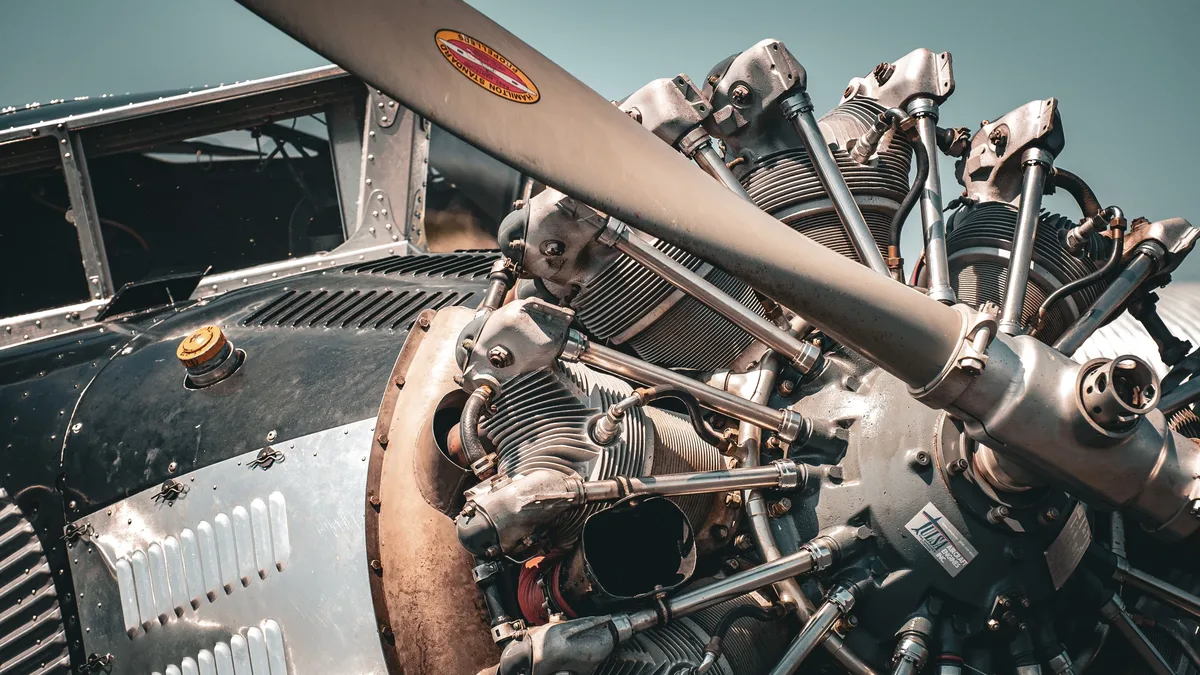
The PT9 turboprop engine has received Transport Canada certification and is designed for the 1,700-2,300 shp class with 33% more power at altitude and 20% lower fuel consumption than previous-generation engines. Pratt & Whitney Canada unveiled the new powerplant at the NBAA-BACE convention in Las Vegas. The engine's performance figures remain design targets until an aircraft application is identified.
Development and production timeline
The PT9 is the result of a five-year, secretive development program. It involved 14,000 test hours and 12 test engines. Parent company RTX confirmed the extensive development work.
Serial production could start in about 18 months, subject to customer agreements. Production is planned for Pratt & Whitney Canada’s facility in Lethbridge, Alberta. This site also serves as the company’s center of excellence for its PT6 engine family.
Strategic positioning and future potential
Pratt & Whitney Canada positions the PT9 as a complement to its legendary PT6 family, not a replacement. The company plans to continue investing in the PT6, which entered service in 1963 and has powered over 155 aircraft models. The new engine bridges the power range between the PT6-series and the larger PW100-series turboprops.
The PT9 is a scalable, modular design with growth potential. Its construction uses materials and technologies from the PW800 turbofan and PW127XT regional turboprop. It features a reverse-flow combustor and a 19-inch-wide barrel section designed for low-drag airframe integration. The engine includes advanced digital prognostics, monitoring over 300 parameters, and builds on the PT6 E-Series' single-lever electronic control.
Company officials have been in discussions with aircraft manufacturers. They expect the design to support multiple platforms rather than a single type. No launch customer has been announced. Certification clears the engine itself, but commercial viability depends on airframe design and customer selection.
Competitive landscape and hybrid future
The PT9 enters a segment seeing renewed activity. GE Aerospace’s Catalyst turboprop, selected for the Beechcraft Denali, received FAA certification in February 2025. The Catalyst is developed and manufactured in Europe.
Pratt & Whitney says the PT9’s modular construction can support future upgrades, including hybrid-electric propulsion integration. This is a future capability, not part of the initial offering. The company clarified the PT9 has no link to its other hybrid-electric thermal engine concepts, such as the 2-megawatt hybrid Dash 8 demonstrator. Pratt & Whitney Canada is separately developing a hybrid version of the PW127XT for the ATR 72-600 under Europe's Clean Aviation program, targeting flight testing by 2030.
The company is also pursuing additional certification from the FAA and European Union Aviation Safety Agency. Satheeshkumar Kumarasingam, President of Pratt & Whitney Canada, said the engine was developed in response to customer demand. "The PT9 engine represents the next evolution of turboprop propulsion," Kumarasingam said. Serial production could start in about 18 months, subject to customer agreements.