Rolls-Royce Trent 1000 XE Engine Triples Time On Wing
Rolls-Royce says its redesigned Trent 1000 XE engine standard delivers three times the time on wing of the previous TEN model, with some engines achieving
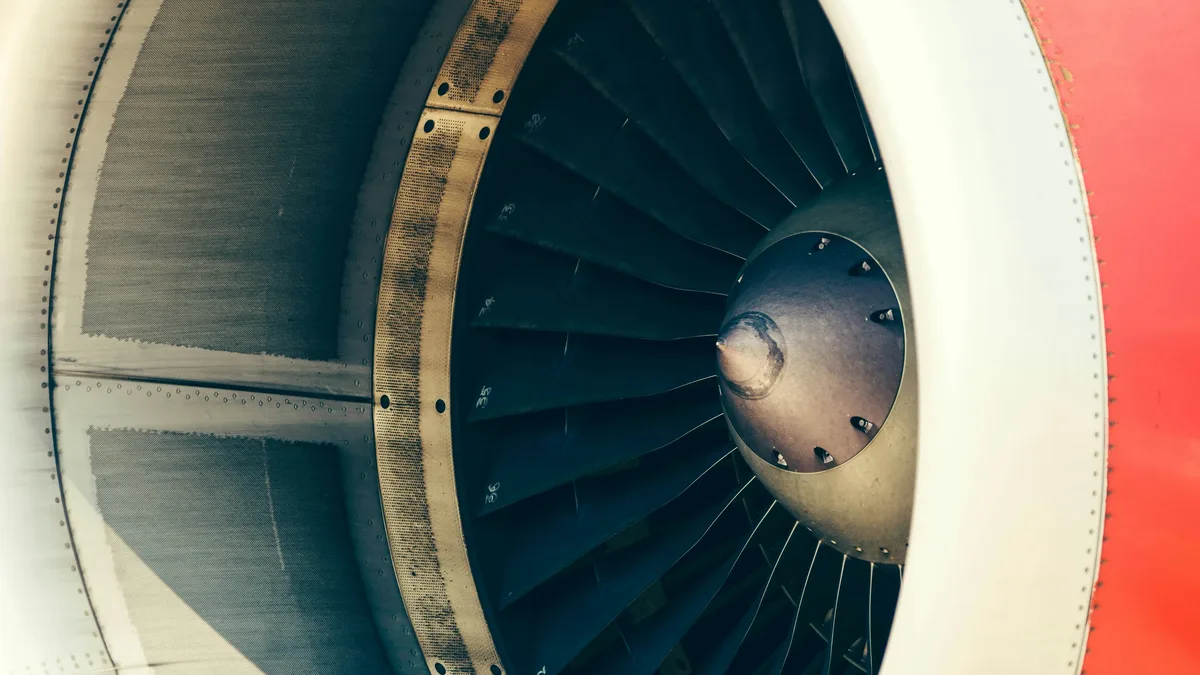
A single redesigned turbine blade is central to Rolls-Royce's claim that its upgraded Trent 1000 XE engine can triple the time between maintenance visits. Chief Executive Tufan Erginbilgiç says some airline customers are seeing up to six years on wing, a dramatic improvement over the previous Trent 1000 TEN standard. The original engine's durability problems, which emerged within five years of its 2011 service entry, cost Rolls-Royce more than $3 billion and contributed to General Electric securing roughly two-thirds of the Boeing 787 engine market.
The company's response was not a single fix. Rolls-Royce divided the upgrade into two certified phases, transferred proven technology from the Trent 7000 engine, and expanded its global maintenance capacity. The program's ultimate success will be measured by how long the upgraded engines actually remain in service and whether airlines choose them for new orders.
What Broke On The Original Trent 1000
Corrosion-related fatigue cracking emerged in the intermediate- and high-pressure turbine blades of the original Trent 1000. Rolls-Royce eventually acknowledged that durability issues extended to as many as 500 engines across the global fleet.
The consequences were severe. Groundings peaked at close to 50 Boeing 787 Dreamliners in 2018. That April, the FAA reduced extended-range twin-engine operations for affected aircraft from 330 to 140 minutes, impacting long trans-Pacific routes. Total in-service costs tied to the Trent 1000 eventually ran past £2 billion ($2.704 billion). Rolls-Royce's subsequent Trent 1000 TEN model addressed some weaknesses but retained elements of the original architecture.
The Two-Phase Redesign
The most critical change is the high-pressure turbine blade. Rolls-Royce introduced the durability improvements in two certified phases.
| Phase | Certification | Key Changes | Claimed Improvement |
|---|---|---|---|
| One | FAA, June 2025 | Redesigned HPT blade with 40% more cooling; changes to combustion system, fuel spray nozzles, and software. | More than doubles time on wing. |
| Two | Late 2025 | Redesigned HPT blade shroud to reduce weight; advanced coatings on blades and nozzle guide vanes; revised cooling; Trent XWB-84-EP interface. | Adds another 30% on top of Phase One. |
Together, the two phases produce the Trent 1000 XE. Rolls-Royce was confident enough in the Phase One design to start building it into new engines from January 2025, five months before FAA certification.
Proven Technology From The Trent 7000
The strongest operational evidence comes from the related Trent 7000 engine on the Airbus A330-900. That engine has been flying with the same core durability technology since 2022. Trent 1000 program manager Rachel Walker said some Trent 7000 high-pressure turbine blades were already achieving up to triple time on wing in service.
By mid-2026, the fleet operating with the new blades had accumulated almost three million engine flying hours, according to CEO Tufan Erginbilgiç. This gave Rolls-Royce a mature dataset before deploying the technology across the Trent 1000 fleet.
Retrofitting The Global 787 Fleet
Lufthansa became the first airline to fly a Trent 1000 XE-powered 787 in November 2025. The XE is now the production standard for all new Dreamliner deliveries. Retrofitting the in-service fleet is a larger task.
By early 2026, upwards of 50 in-service engines carried the improved blades. Rolls-Royce is targeting a full fleet retrofit by the end of 2027. To achieve this, the company has added dedicated maintenance capacity in the UK, Germany, and Singapore, representing roughly 100 additional shop visits per year. The effort is part of a wider £1 billion ($1.352 billion) durability push across the modern Trent engine portfolio.
Customer And Market Response
Investors reacted positively. Rolls-Royce shares jumped after the company raised its profit guidance on the back of the engine fixes. A harder test is customer orders. LATAM Airlines selected the Trent 1000 XE for its Boeing 787 fleet, a win Rolls-Royce explicitly credits to the time-on-wing improvements and expanded maintenance network. This single order, however, does not close the market gap with General Electric's GEnx engine, which powers about two-thirds of the in-service 787 fleet.