Israel Air Force Adds Second KC-46 Tanker
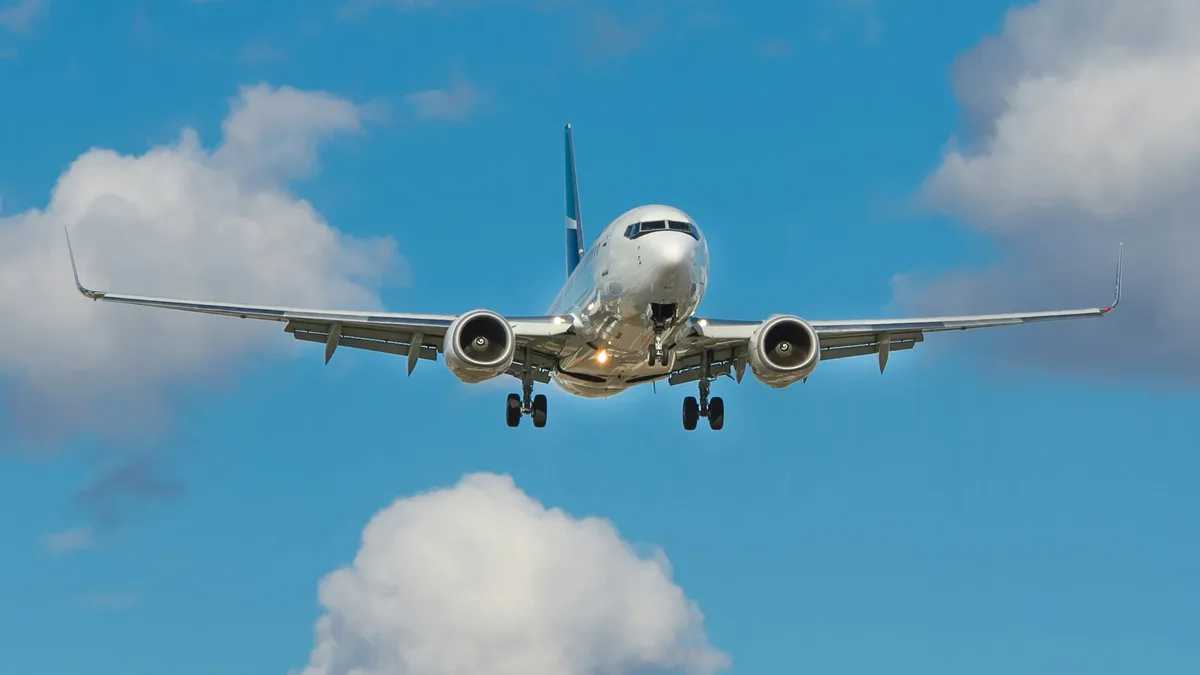
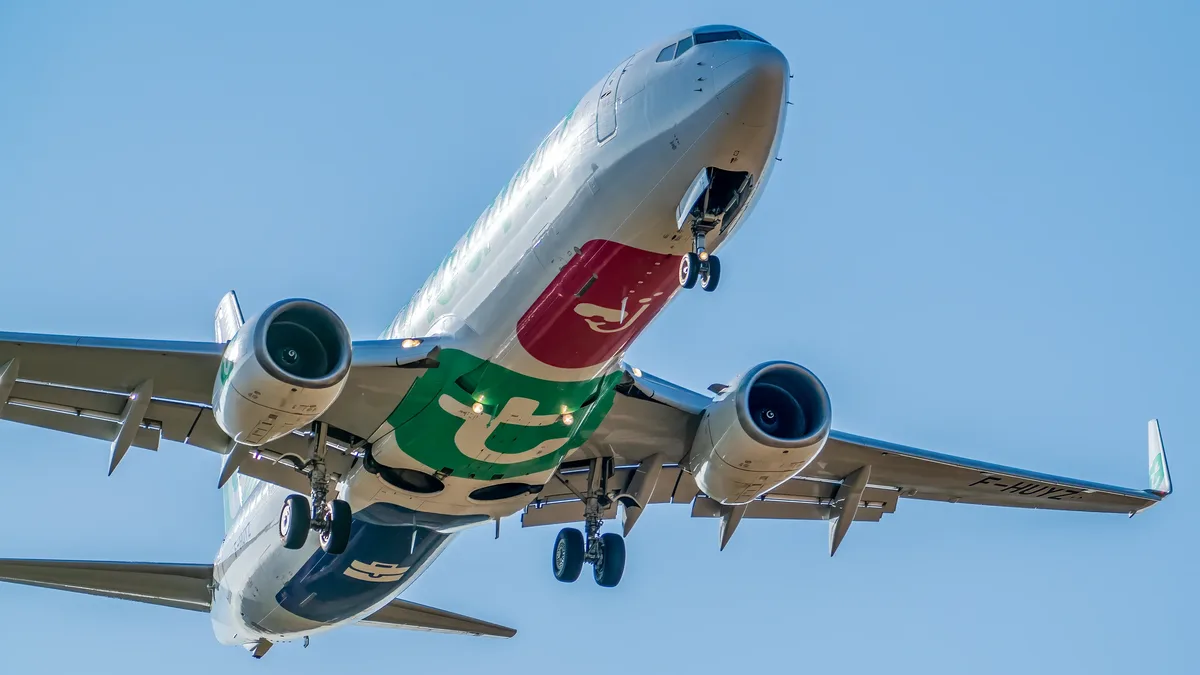
Israel receives its second KC-46A Pegasus tanker, replacing older KC-707s. The new aircraft carries more fuel and enables longer-range missions.
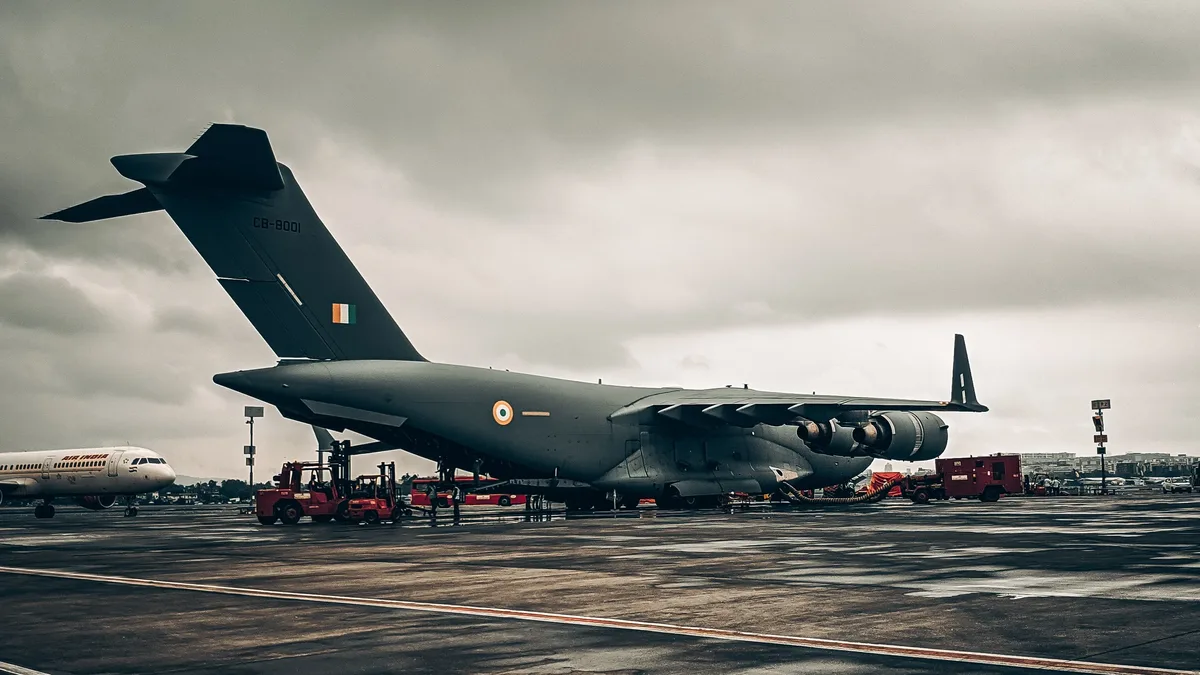
The Israeli Air Force received its second KC-46A 'Gideon' tanker at Nevatim Air Base on Thursday, August 20. This marks a key step in replacing its fleet of six aging KC-707 Re'em tankers, which have been in service for around 60 years.
The first KC-46 arrived on May 27 this year. It was inducted into the newly activated Gideon Squadron. The IAF stated the aircraft represents "a true leap forward" in expanding operational range and flight time. The purchase of up to eight KC-46s was approved by Israel in 2021. Boeing received a $927 million contract for the first four aircraft in 2022.
KC-46 Capabilities and Comparison
The KC-46 brings a substantial increase in fuel capacity over the aircraft it is replacing. It also introduces modern refueling and multi-role systems.
| Feature | KC-46A Gideon | KC-707 Re'em |
|---|---|---|
| Fuel Capacity | ~90.7 tons | Not specified, but 15% less |
| Refueling Systems | Boom, drogue, Wing Aerial Refueling Pods (WARPs) | Not detailed in source |
| Boom Transfer Rate | 1,200 gallons (4,542 liters) per minute | Not specified |
| Cargo Capacity | Up to 18 463L pallets | Removable tanks in cargo hold |
| Medical Role | Can accommodate two flight nurses, three technicians | Not specified |
Fuel is transferred via a fly-by-wire boom or through pods under the wings. The Wing Aerial Refueling Pods allow for multipoint, simultaneous refueling. An Air Refueling Operator uses panoramic displays for full situational awareness.
Beyond refueling, the aircraft can carry cargo pallets or be configured for aeromedical evacuation. The new tankers are built at Boeing's Everett, Washington plant before being fitted with Israeli-specific systems.
Replacing the Aging KC-707 Fleet
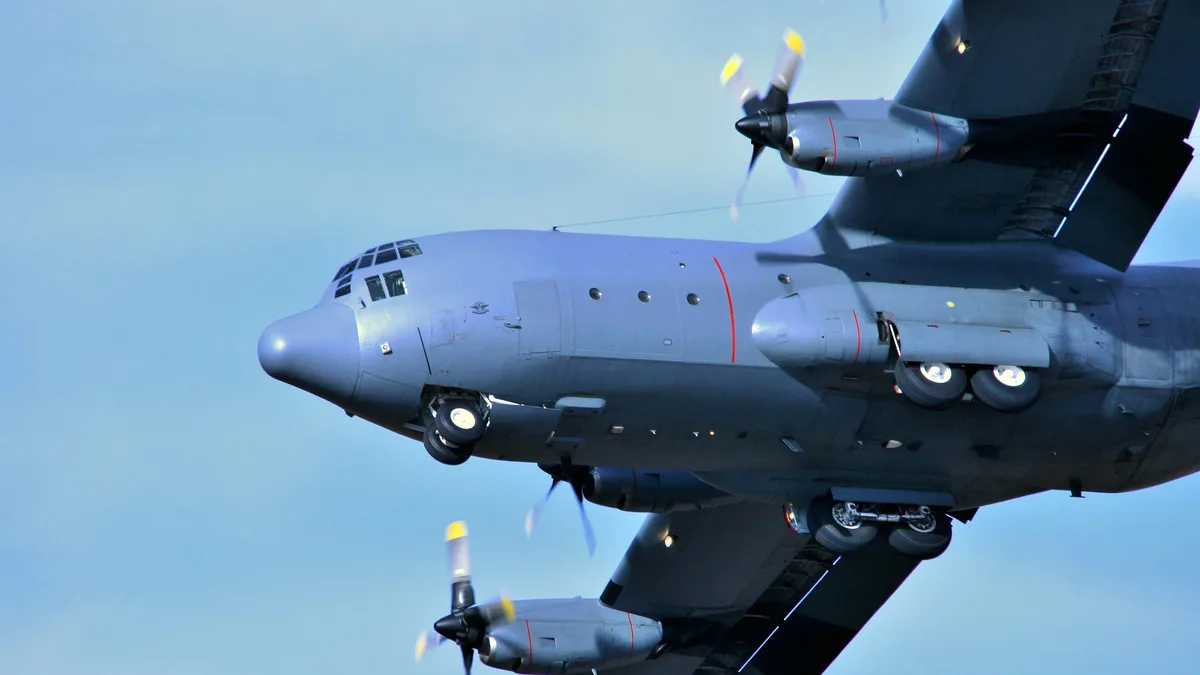
The KC-46 is a direct replacement for the KC-707 Re'em. The Re'em entered service in 1973. Its cockpit relies on analog instruments and mechanical flight controls. The IAF has upgraded its electronics, but the core architecture is decades old.
Six KC-707s remain in service. The newest airframes entered service in 1978. They store fuel in removable tanks inside the cargo hold. While they have relatively low flight hours, they demand constant maintenance.
The KC-46, with its modern Pratt & Whitney PW4062 engines, offers better fuel efficiency. It is also expected to have lower lifecycle costs and require less maintenance time.
Operational Necessity for New Tankers
The need for a modern, high-capacity tanker was shown during Operation Roaring Lion. This was Israel's effort during a recent campaign over Iran. The operation occurred roughly 1,200 miles from Israel.
IAF tankers delivered millions of liters of fuel across about 700 refueling hookups. This support enabled 10,800 precision strikes from 8,500 sorties. The extra fuel capacity of the KC-46 allows aircraft to remain on station longer at such distances.
Long-range strike capability remains a serious priority for Israel. Potential threats, like Houthi forces in Yemen, operate roughly 1,000 to 1,200 miles away. A fighter that can refuel repeatedly can alter routes, respond to new targets, and hold fuel for contingencies. The KC-46 fleet provides the foundation for this long-range power for decades ahead. The IAF has four more KC-46 tankers still to arrive.