Boeing 777-9s Parked Awaiting Updates
Over 30 completed Boeing 777-9 aircraft are parked in Washington state, built before the final production standard was set.
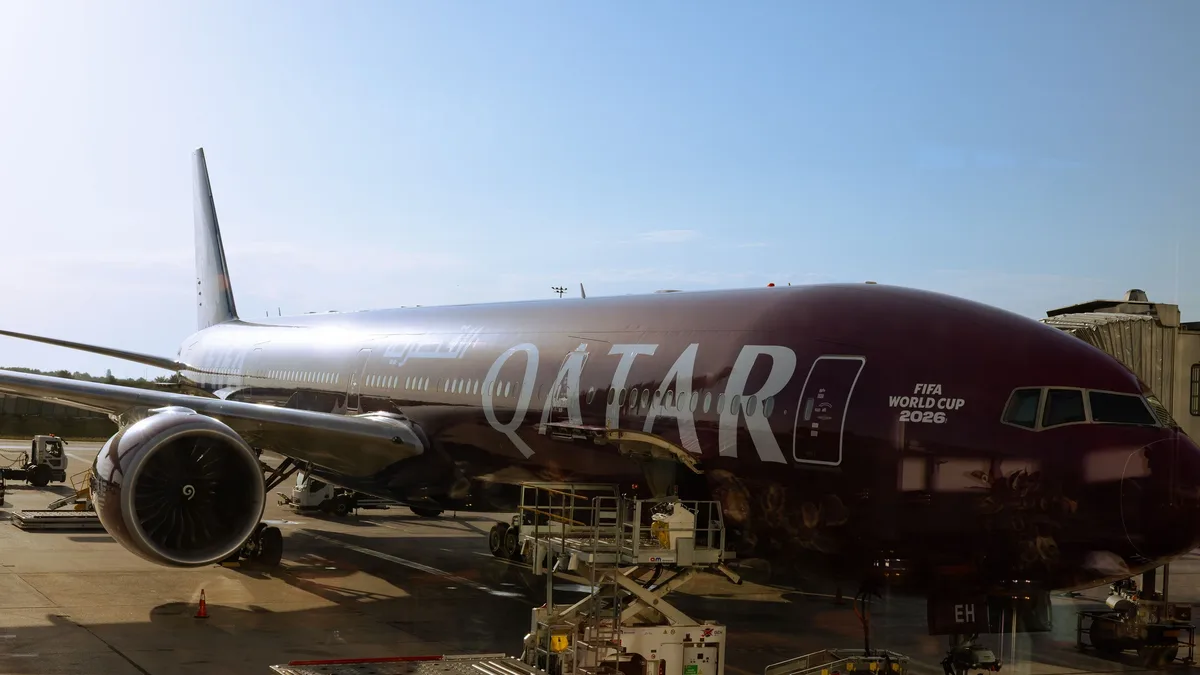
More than 30 completed or nearly complete Boeing 777-9 airframes are parked at sites in Washington State, including Paine Field and Moses Lake. These aircraft were built before the final production configuration was established, creating a unique inventory challenge for the manufacturer.
According to a report from Simple Flying, the situation stems from Boeing building customer aircraft while simultaneously finishing certification and production work for the 777-9. The program's lengthy delay has widened the gap between these early airframes and the final certified standard. While airlines like Lufthansa still want the 777-9, they are reluctant to accept aircraft that are not in the final production configuration.
Aircraft Are Finished But Not Final
The parked 777-9s are not unwanted in the conventional sense, but accepting them carries a substantial operational and financial disadvantage. An airline taking one would receive an aircraft needing additional work to match later production models. Lufthansa's CEO, Carsten Spohr, confirmed the airline is discussing with Boeing which early-built aircraft it will accept, stating financial compensation is required if Lufthansa takes aircraft needing modernization.
Emirates has taken a similarly hard public line on the earliest examples. The concern for airlines is the additional downtime, engineering work, and maintenance complexity compared to receiving a later-built aircraft. This has turned the parked aircraft into a commercial negotiation as much as a manufacturing issue.
Certification Progress Continues
Boeing reports the 777-9 is around halfway through its planned certification testing. The test fleet has accumulated more than 4,800 flight hours across roughly 1,700 flights. Most Type Inspection Authorizations have been granted, with approvals for extended operations among the important remaining steps.
The manufacturer continues to target first deliveries in 2027, with Lufthansa expecting its first aircraft during that timeframe. The current largest orders for the passenger 777X include Emirates and Qatar Airways. The program is now focused on closing remaining regulatory requirements after extensive flight testing.
Detailed Testing Underway
Recent testing highlights the detailed nature of certification. In August, Boeing flew the 777-9 through naturally occurring icing conditions for 8.5 hours. The test aimed to accumulate roughly one to two inches of ice on wings, stabilizers, and other critical areas to examine handling.
Test pilots reported the aircraft maintained expected handling characteristics, with the icing difficult to notice without flight-test instrumentation. Such testing illustrates why certification takes years, even after thousands of hours of development flying.
The parallel progress of the 737 MAX 10 provides context; it was reported at 98% completion in certification flight testing with about 2,060 flight hours. The 777-9 remains at an earlier point in its overall certification workload.
A Legacy of Program Delays
The 777X was originally scheduled to enter service years ago. The long delay created this production challenge, as Boeing completed some airframes before the final certified configuration was fully known. The fleet of over 30 parked aircraft represents both a liability and a sign of program progress. Boeing faces storage, maintenance, and financing costs for each month they remain on the ground, while sending them unmodified would burden airlines with rework. The parked widebodies are a tangible result of the program's extended development timeline.