Airbus A350 Family Redefines Long-Haul Efficiency
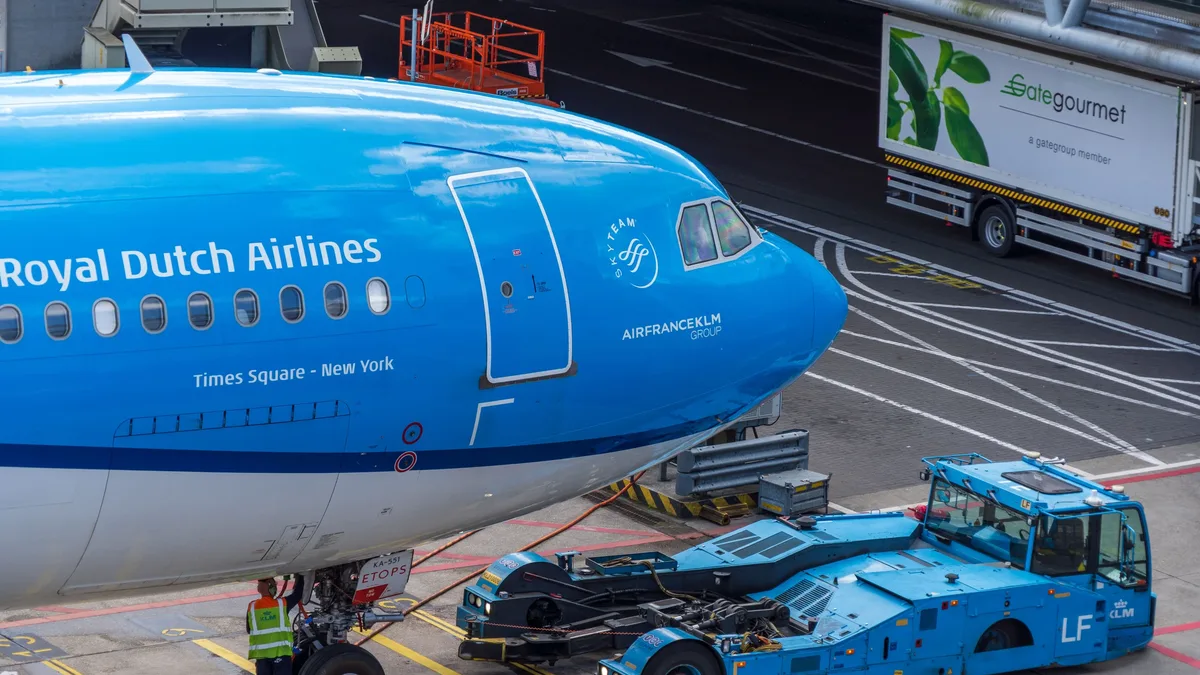
Airbus's A350 family, launched in 2006, uses advanced materials and new engines to cut fuel burn by 25%. The A350-900 entered service in 2015, followed by the A350-1000 in 2018.
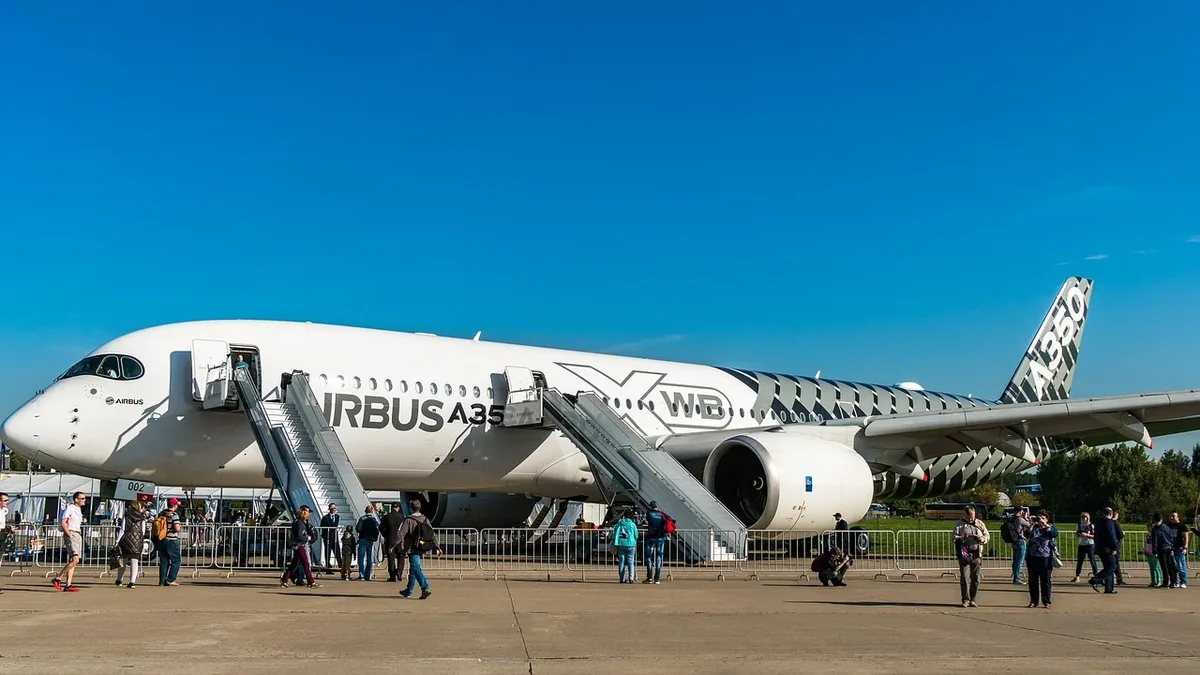
The Airbus A350 family, comprising the A350-900, A350-1000, and the A350F freighter, is engineered for a 25% reduction in fuel burn and CO₂ emissions compared to previous-generation aircraft. According to Airbus, the airframe is constructed from over 70% advanced materials, including carbon fibre composites, titanium, and aluminium-lithium alloys.
Family Variants and Performance
The two main passenger variants share a common pilot type rating for operational flexibility. Both use the same advanced material and engine technology for efficiency. The source provides key entry-into-service dates for the models.
| Model | First Flight | Entry into Service |
|---|---|---|
| A350-900 | 2013 | Early 2015 |
| A350-1000 | Not specified in source | 2018 |
Airbus states the A350-900 established a new benchmark for long-range, twin-engine aircraft. The longer-fuselage A350-1000 followed to offer airlines additional capacity on busy routes.
Passenger Comfort and Cabin Design
The aircraft features the Airspace cabin, which Airbus calls the quietest twin-aisle cabin in the skies. It is designed to enhance passenger well-being on long-haul flights. Key features include wider seats, high ceilings, and customisable ambient lighting intended to help reduce jet lag.
Air quality is a focus. The cabin air is completely renewed with HEPA-filtered air every two to three minutes. Airbus also highlights a lower cabin altitude, equivalent to 6,000 feet, and multi-zone temperature control to reduce passenger fatigue.
Technological Innovations
Airbus describes the A350 as a clean-sheet design built around an advanced composite fuselage, adaptive wings, and next-generation systems. The high-aspect-ratio wings feature morphing surfaces that adapt during flight to minimise drag. The company says this flexible design smooths airflow, improving fuel economy and ride quality.
The cockpit introduces touchscreen-enabled interfaces, a first for Airbus widebodies. It uses Integrated Modular Avionics (IMA) for real-time system communication, supporting functions from flight planning to predictive maintenance. The aircraft's noise-optimised design makes it up to nine decibels quieter than competing aircraft, according to Airbus.
Environmental Profile and Future Capability
The design emphasis on lightweight materials, aerodynamics, and new-generation Rolls-Royce Trent XWB engines drives the claimed 25% efficiency improvement. The A350 is certified for the latest ICAO CO₂ emission standards.
Looking ahead, the aircraft is certified to fly with up to a 100% blend of Sustainable Aviation Fuel (SAF) by the end of the decade. Airbus also notes the A350F freighter variant has a target entry-into-service date of 2030.