Bombardier counters Trump's threat to ban its US jet sales
Bombardier has responded to President Donald Trump's threat to bar its business jet sales in the US, arguing it already has a major manufacturing and
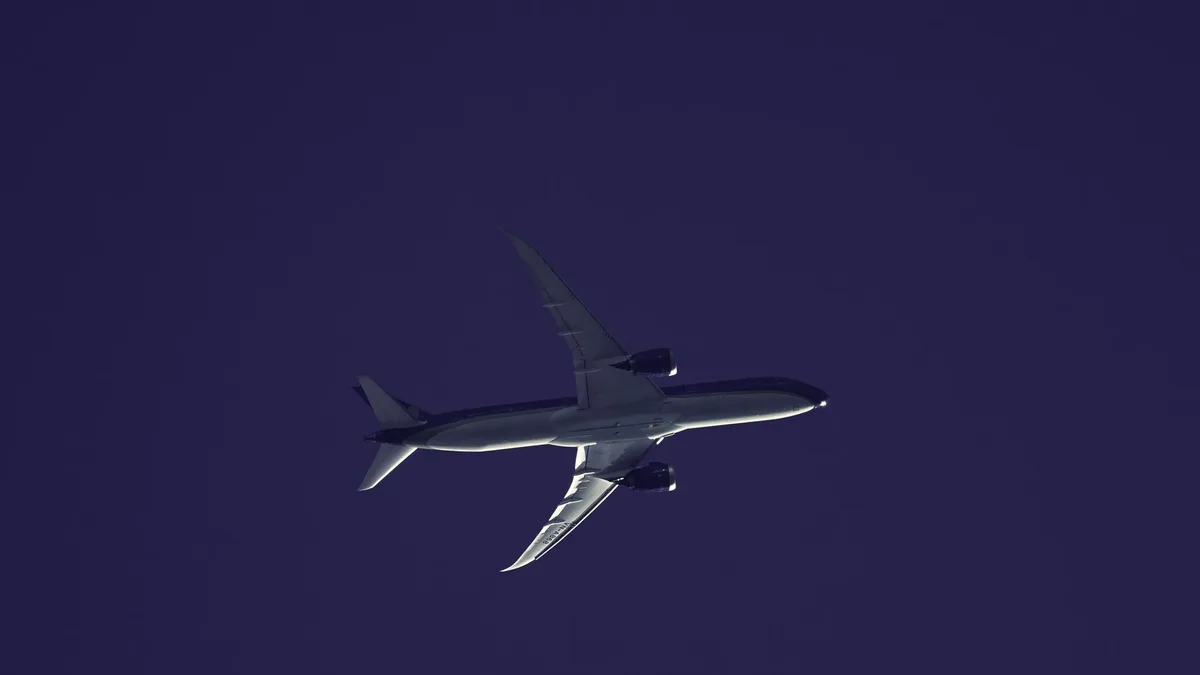
Bombardier has responded to President Donald Trump's threat to block sales of its private jets in the United States. The company countered by highlighting its extensive existing US operations, which include manufacturing sites in nine states and Washington, D.C.
Trump made the threat on his social media platform, Truth Social. He wrote that the Canadian manufacturer must build in the US if it wants access to the American market, accusing the company of treating America like a 'piggybank.' This escalates long-standing trade tensions between the US and Canada, with Bombardier's largest market at stake.
Bombardier's US footprint
In its response, Bombardier emphasized the scale of its American presence. The company stated it supports a vast supply chain that spans 47 states. It also directly employs tens of thousands of workers within the United States.
The US market is critically important to the manufacturer. Half of all Bombardier's sales are made in the United States. A ban on sales would therefore represent a severe blow to the company's business.
Political and economic support
The company has received backing from political figures on both sides of the border. Quebec's premier has voiced support for Bombardier. Notably, some US Republican lawmakers have also come to the company's defense.
These US lawmakers have pointed to Bombardier's significant economic contributions within the country. They also highlighted the company's role in providing support for US military operations.
The trade tension context
The threat from the former president adds another chapter to the fraught relationship between Bombardier and US trade authorities. Past disputes have centered on allegations of unfair subsidies and dumping of aircraft on the US market.
Bombardier's argument rests on its current investments and job creation within the United States. The company's stance is that it already meets the implicit demand to 'build here' through its widespread facilities and supply network.
The outcome of this latest threat remains uncertain. For now, Bombardier continues to rely on its substantial US operations as its primary defense against potential market exclusion.