South Korea begins concept study for
South Korea's DAPA has launched a 14-month, $650,000 concept study for a future sixth-generation fighter, focusing on stealth, AI, and manned-unmanned
South Korea has initiated a concept study for a future sixth-generation fighter aircraft. The Korean Defense Acquisition Program Administration (DAPA) issued a tender for the 14-month study, allocating KRW 900 million ($650,000) for the work.
According to DAPA, the "Korean Next-Generation Fighter Concept Study" will examine the operational concept and required capabilities for a future South Korean fighter. The project aims to identify an optimal aircraft configuration.
Study Focus and Objectives
The work will focus on a manned-unmanned combat system, broadband stealth, and artificial intelligence. DAPA stated the study is intended to provide information for establishing formal operational requirements. It will also analyze operational effectiveness and develop a roadmap for securing key technologies.
The project remains at a very early stage. South Korea has not formally launched development of a new fighter or committed to producing an aircraft. The concept study will support subsequent preliminary studies and a feasibility assessment before any decision on full-scale development.
Bids for the study are due October 1, 2026. The work will begin after a contractor is selected.
Technology Investments and Capabilities
South Korea has already begun investing in technologies for a next-generation aircraft. In its 2026 budget, DAPA allocated KRW 63.6 billion ($46 million) for next-generation fighter and related research. This includes work on structures, materials, and sensors, building on experience from the KF-21 program.
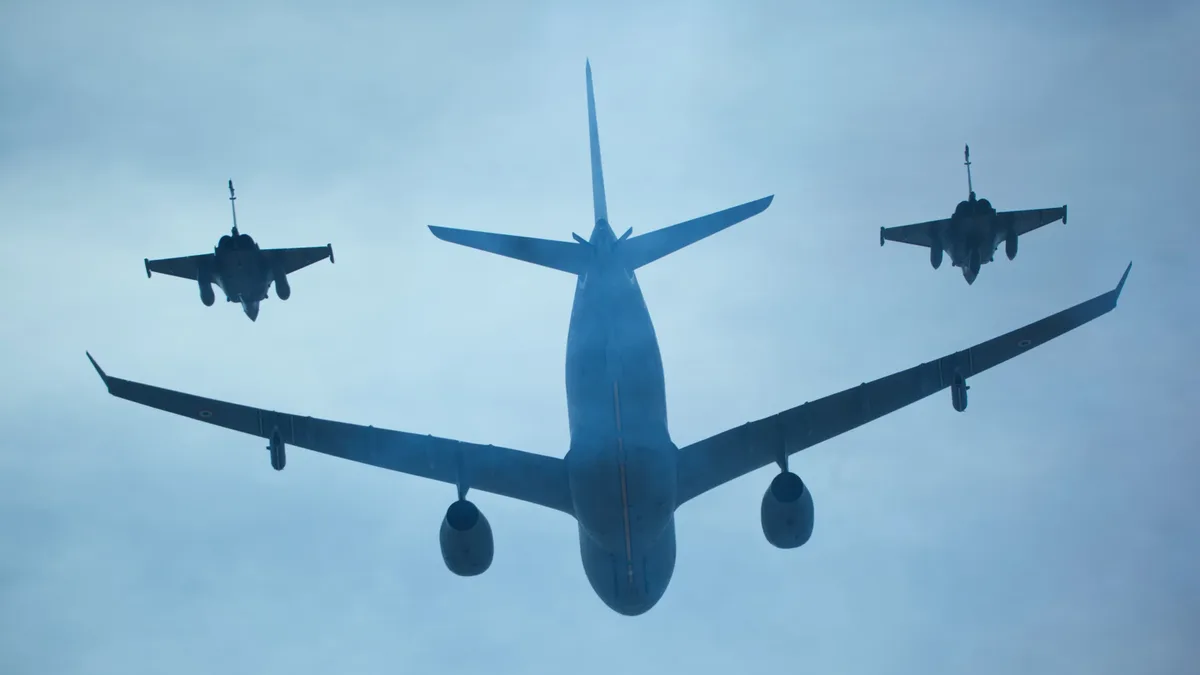
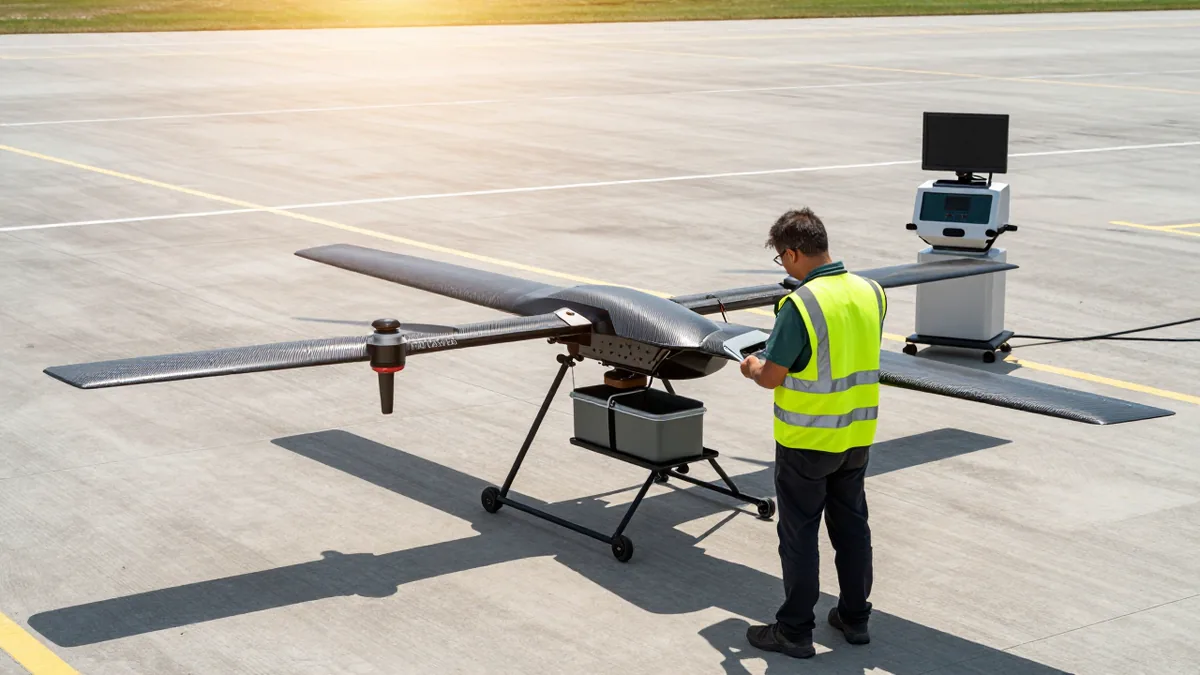
The future aircraft is expected to rely heavily on manned-unmanned teaming. This would allow a crewed fighter to work with multiple uncrewed aircraft. These drones could perform missions like reconnaissance, electronic warfare, deception, and strike.
Artificial intelligence could be used for sensor fusion and mission support. Broadband stealth would seek to reduce the aircraft's detectability across multiple sensor types, not just radar.
Context of the KF-21 Program
The effort comes as South Korea completes development of the KF-21 Boramae, its first domestically developed supersonic fighter. DAPA formally marked the end of KF-21 system development on July 29 following more than 1,600 flight tests.
The first production KF-21 aircraft are scheduled for delivery to the Republic of Korea Air Force in the second half of 2026. South Korea has outlined plans to progressively improve the KF-21's low-observable capabilities and integrate AI and manned-unmanned teaming technologies into it.