Philippine Airlines Deploys A350-1000 on Key Pacific Routes
Philippine Airlines is deploying its new Airbus A350-1000s on ultra-long-haul routes to North America, including San Francisco, New York, and Toronto.
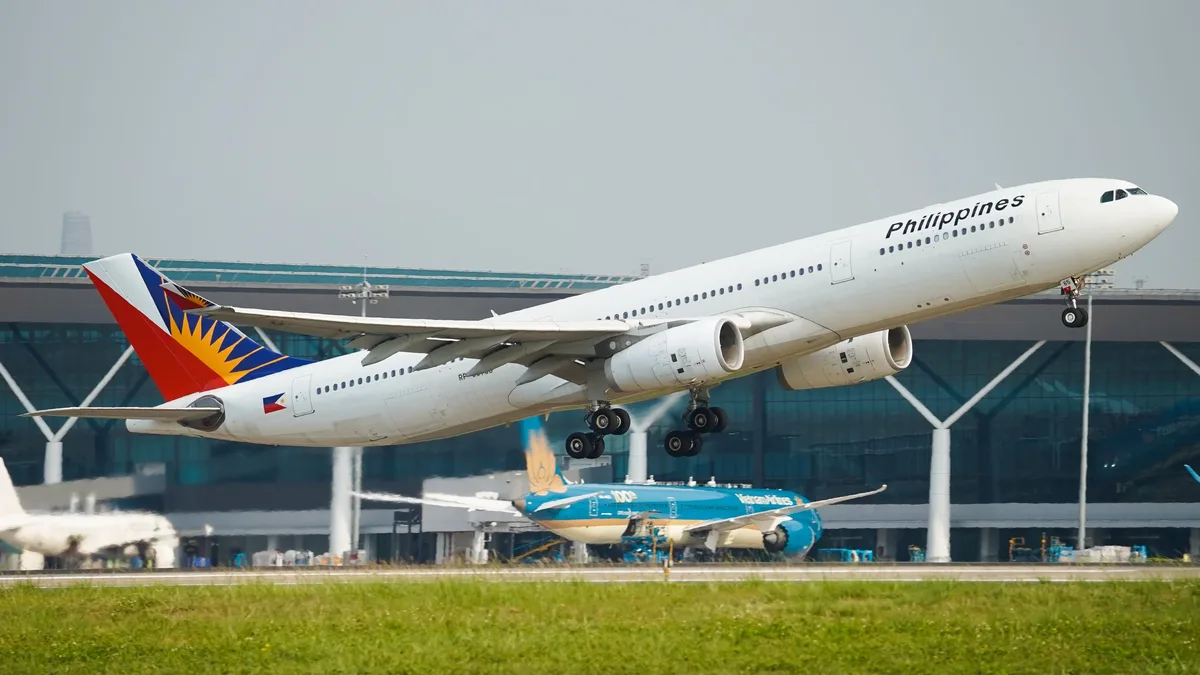
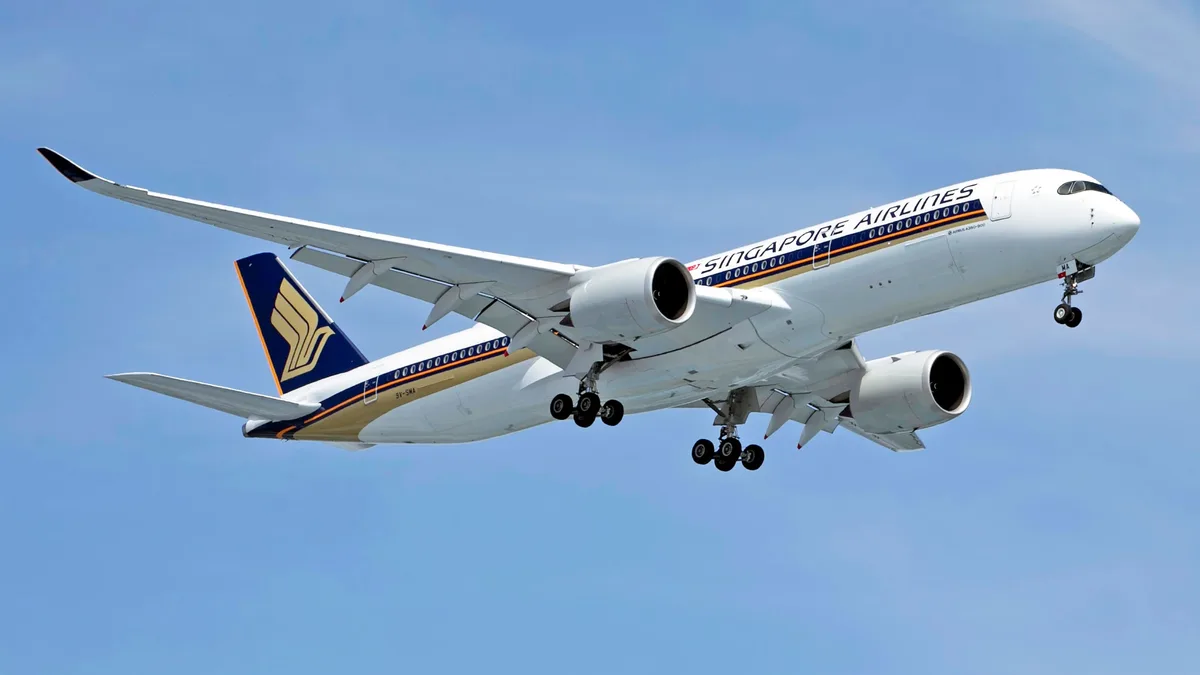
Philippine Airlines (PAL) has taken delivery of its fourth Airbus A350-1000. The aircraft is now the carrier's flagship, operating its longest routes to New York and Toronto and starting services to San Francisco, gradually displacing Boeing 777-300ERs on some flights.
The airline first ordered nine A350-1000s in 2023. According to Simple Flying, this order came less than two years after PAL filed for Chapter 11 bankruptcy. A follow-up order for nine more was placed in July 2026, bringing the total commitment to 18 aircraft.
Four of the jets have been delivered. They are being deployed on existing ultra-long-haul routes rather than launching new services. The A350-1000's efficiency and range make it compelling for these missions. Crucially, the source reports the A350s are being used for growth, not direct one-for-one replacement. The 777-300ER fleet is expected to remain for the long term.
Fleet Deployment and Route Strategy
Philippine Airlines currently flies the A350-1000 to New York (JFK), Toronto (YYZ), and San Francisco (SFO). The JFK and YYZ routes are the airline's two longest. Using the A350-1000 improves fuel efficiency compared to the 777 and allows for higher payloads on these ultra-long-haul services.
The Boeing 777-300ER is primarily deployed to Vancouver (YVR), Los Angeles (LAX), and San Francisco, sharing the SFO route with the incoming A350s. It also flies within Asia to Bangkok and Shanghai. In June, PAL began using the 777 on a new nonstop route to Riyadh, a move reportedly made as a competitive response to Riyadh Air's new Manila service.
A350-1000 Cabin and Configuration
The A350-1000 features PAL's latest cabin interiors. The business class uses the Collins Aerospace Elevation seat, a reverse herringbone lie-flat model with sliding doors. Premium economy uses the Collins Aerospace MiQ seat, and economy uses the ZIM ZP230. The new planes have large screens and USB-C ports.
The aircraft has a dense configuration of 382 seats, making it one of the densest A350 layouts globally. This is achieved by installing ten-abreast seating in economy, a layout previously only used by two budget airlines on the A350. Airbus states airlines can now install 17-inch wide seats in a ten-abreast layout, comparable to a Boeing 777, though this requires narrower aisles.
| Cabin Class | Number of Seats |
|---|---|
| Business | 42 |
| Premium Economy | 24 |
| Economy | 316 |
| Total | 382 |
The Future of the 777-300ER and Fleet Growth
Most of PAL's 777-300ERs are configured with 370 seats. The airline does not plan to phase them out, citing their relative youth and capability. Instead, they will be retrofitted with new interiors expected to include direct-aisle-access business class pods and a premium economy cabin, which the current 777s lack.
The A350-1000 will take over the longest routes where its fuel burn advantage is most significant. The 777-300ERs will be displaced onto shorter routes. The source notes the two aircraft types serve a similar role for size within the fleet.
PAL's growth plans are extensive. With 18 A350-1000s on order, they will join ten 777s and two A350-900s. The airline is increasing frequencies to JFK, Vancouver, and Toronto and will launch a new Chicago service in November using an A350-900. PAL also plans to retire its 11 A330-300s, replacing them with 15 firm orders for Boeing 787-10s, plus five options. An order for 13 Airbus A321neos is also outstanding.
This fleet expansion will allow PAL to grow its network and frequencies. The A330-300 is the only type slated for near-term retirement.