Collins Aerospace
| Aircraft sector | Major aerospace & defence systems supplier |
|---|---|
| Majority owner | RTX Corporation |
| Primary company structure | Strategic business unit |
| Industry category | Systems supplier (airframe, engine, avionics, interiors) |
| Original use | Design, manufacture, and service of aerospace and defence components and systems |
Origin and history
Collins Aerospace is an American aerospace and defense supplier headquartered in the United States. Its lineage traces back to several prominent American aviation companies founded in the early to mid-20th century. The Collins name originates from Collins Radio, a company founded in the 1930s that became a leader in aviation communication systems. Another major predecessor, Hamilton Standard, was established in the 1910s and became a primary supplier of propellers and environmental control systems. The modern entity was formed through a series of mergers and acquisitions within the United States' industrial landscape over many decades. It was brought under the Raytheon Technologies corporate umbrella in the previous decade, consolidating its position as a major systems supplier. The company's history is deeply integrated with the development of both commercial and military aviation in North America.
What it is designed for
Collins Aerospace is designed as a systems and components supplier for the global aerospace and defense industries. Its products are engineered to provide critical functionality across aircraft operation, including flight control, navigation, communication, and cabin management. The company specializes in developing integrated systems that allow for reliable operation in the demanding environments of flight, from high altitudes to extreme temperatures. A significant portion of its design work focuses on enhancing aircraft efficiency, safety, and passenger comfort for both original equipment manufacturers and retrofit markets. Its design scope extends across the entire aircraft, including airframe-mounted systems, engine-related components, and interior fixtures. Furthermore, its design philosophy often involves creating modular and upgradeable systems to support aircraft throughout their multi-decade service lives.
Development and versions
The development of Collins Aerospace's product portfolio has been achieved through sustained internal research and development as well as strategic acquisitions. Key product lines have evolved through successive generations, with versions typically designated by alphanumeric model numbers like the Pro Line Fusion avionics suite or the Airshow moving map system. Development cycles are lengthy, often spanning several years to meet stringent certification requirements for new aircraft programs or system upgrades. The company continuously develops new versions of its flight deck displays, flight control computers, and cabin pressurization systems to incorporate newer technologies like touchscreen interfaces and more efficient electrical architectures. Its development efforts are closely aligned with major aircraft program milestones, such as the introduction of next-generation narrowbody and widebody airliners. Additionally, it develops specialized versions of its systems for military applications, which incorporate requirements for robustness, security, and interoperability with defense networks.
Pros and cons
A significant pro of Collins Aerospace is its extensive installed base and proven reliability across decades of service, which provides operators with a known quantity and extensive support networks. The breadth of its product portfolio allows for system integration benefits when multiple Collins systems are installed on the same aircraft platform. A common con is the high cost associated with its proprietary systems and components, which can lock operators into a single supplier for maintenance and upgrades. Some operators have reported complexity in troubleshooting certain integrated systems, where an issue in one subsystem can be difficult to isolate without specialized training and equipment. Regrets in choosing Collins equipment sometimes stem from specific program delays or technical issues that have affected aircraft delivery schedules, causing cascading operational impacts for airlines. A frequent mistake is underestimating the long-term support costs and logistical challenges of maintaining their advanced systems over an aircraft's full lifecycle, particularly for smaller operators.
Who it suits
Collins Aerospace suits major aircraft original equipment manufacturers like Airbus, Boeing, and Embraer who require certified, integrated systems for their production lines. It is well-suited for large commercial airline fleets and cargo operators who have the scale to justify the investment and can leverage the global support infrastructure. Major military procurement programs, particularly those in the United States and allied nations, are a natural fit for its defense-oriented systems and products. It suits operators of long-range, widebody aircraft where the reliability and redundancy of its flight control and environmental systems are critical for extended overwater operations. The company's products are also appropriate for business aviation platforms and high-end VIP configurations where advanced avionics and cabin management systems are a priority. It is generally less suited for ultra-light aircraft, very small general aviation operators, or budget-conscious startups that prioritize lowest initial cost over long-term system support and integration.
Latest Collins Aerospace news
Latest reporting
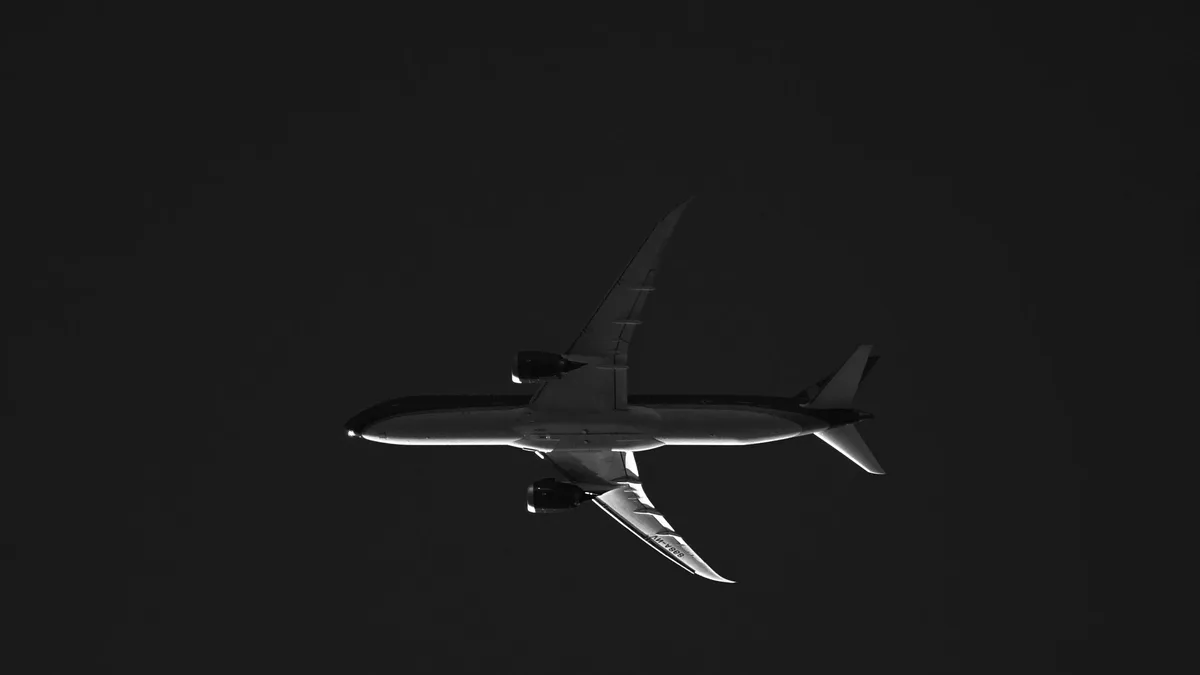
GE Aerospace Acquires CPP for $11.75 Billion to Secure
GE Aerospace has agreed to acquire Consolidated Precision Products (CPP) for $11.75 billion, its largest deal since becoming a standalone company, to
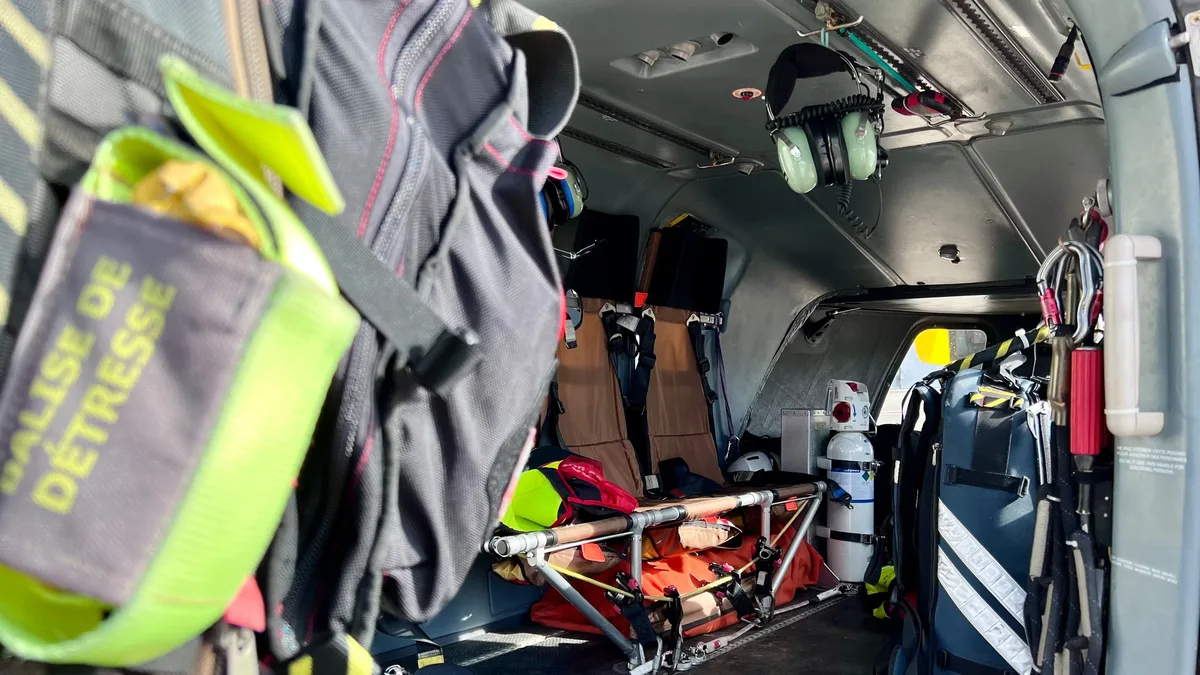
Bye Aerospace eFlyer 2 Completes First Flight
Bye Aerospace successfully flew its all-electric eFlyer 2 trainer for the first time on September 24, 2026, launching a flight test program aimed at...
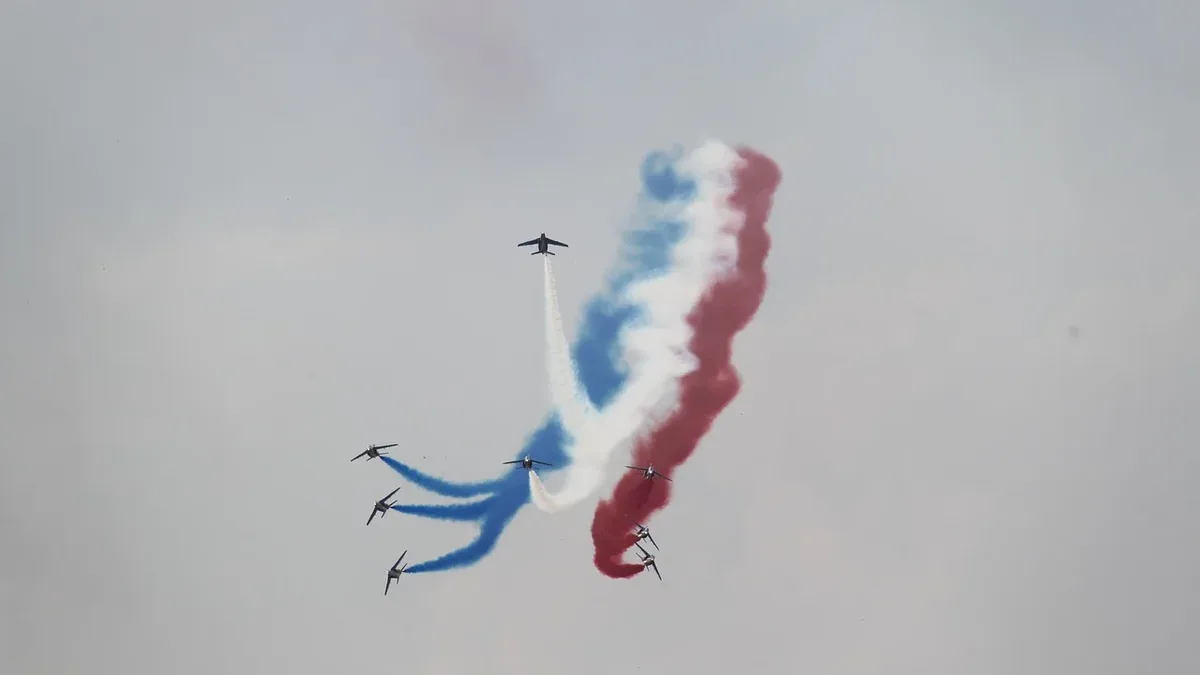
AIDC delivers final two T-5 Brave Eagle trainers to ROCAF
Taiwan's Aerospace Industrial Development Corporation has completed its seven-year production run of 66 T-5 Brave Eagle advanced jet trainers with the
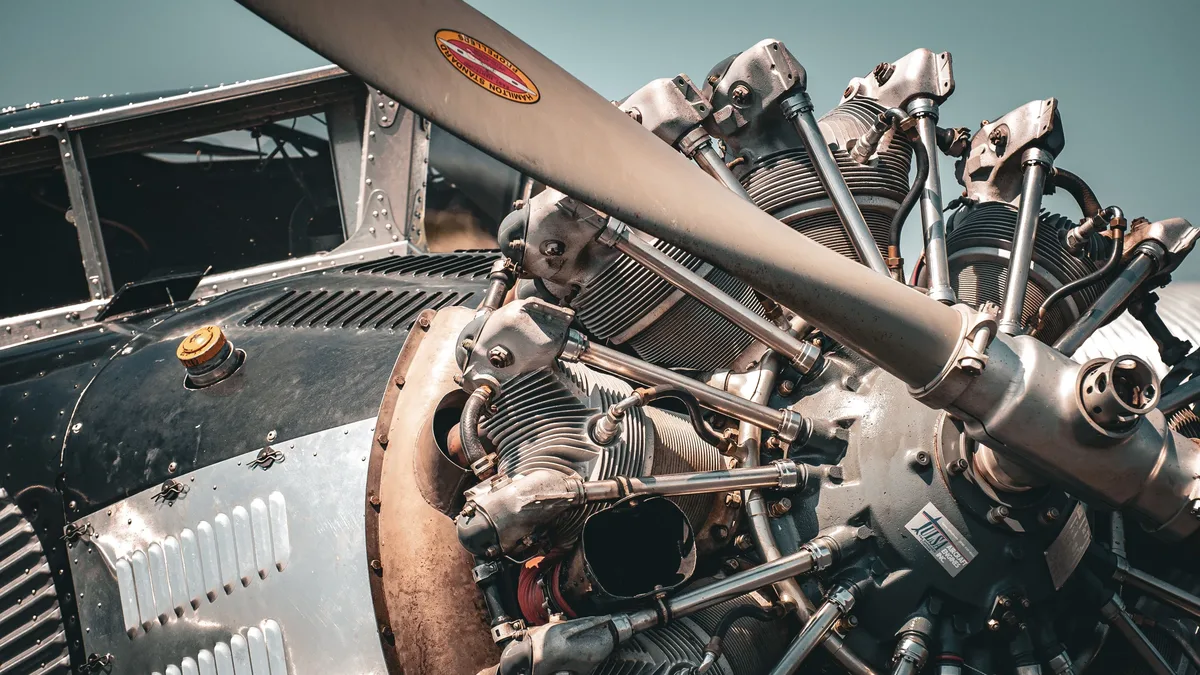
GE Aerospace to acquire castings supplier CPP for $11.75
GE Aerospace will purchase its castings supplier Consolidated Precision Products for $11.75 billion in a deal announced on September 8, 2026.
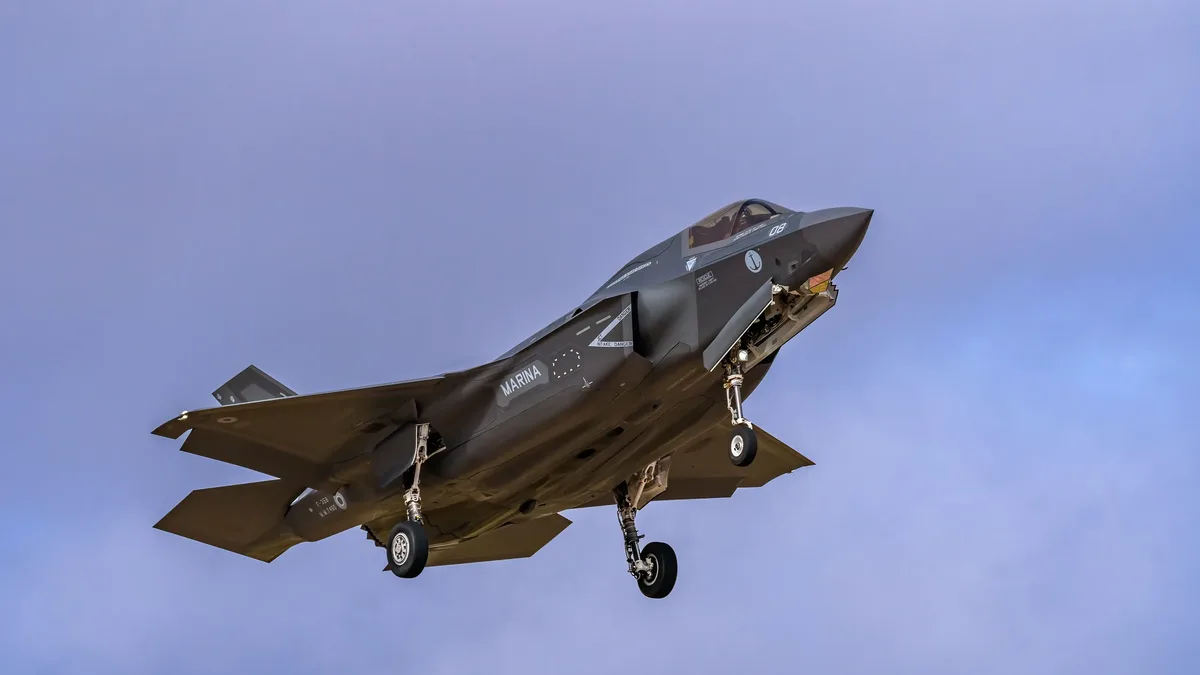
GE Aerospace to build Mach 5 Derecho
GE Aerospace has won a Pentagon contract to develop the air-launched Derecho hypersonic test vehicle, aiming for a first flight in 2028 to...
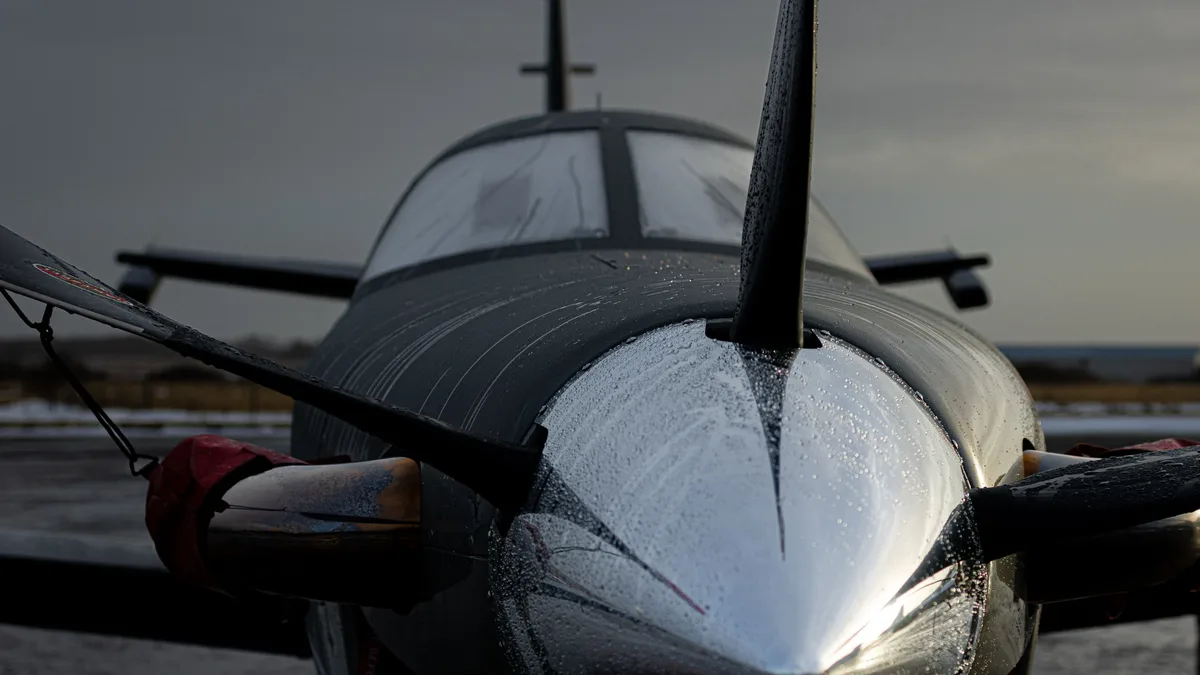
Blackhawk Displays Upgraded PC-12, TBM 700
At EAA AirVenture Oshkosh 2026, Blackhawk Aerospace displayed two upgraded legacy turboprops: a Pilatus PC-12 and a newly STC-approved TBM 700.