Delta Airbus A220s Divert After Cabin Fume Incidents
Two Delta Air Lines Airbus A220 flights declared emergencies within 48 hours due to cabin fumes, prompting a diversion and a post-landing aircraft removal
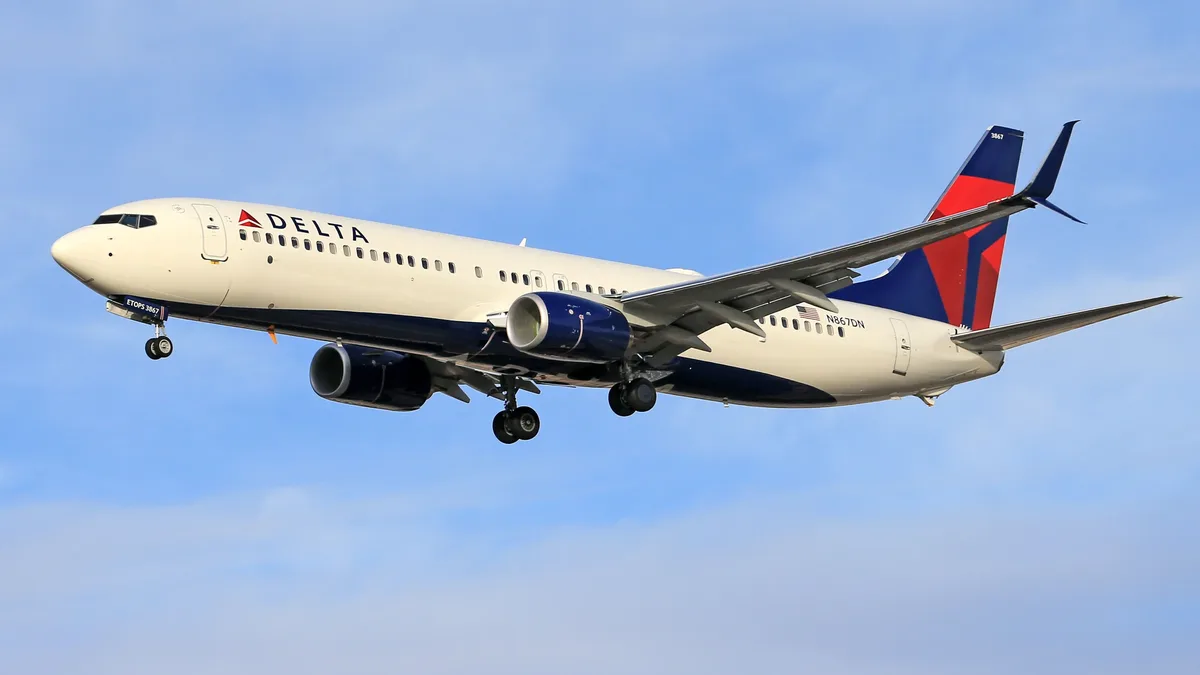
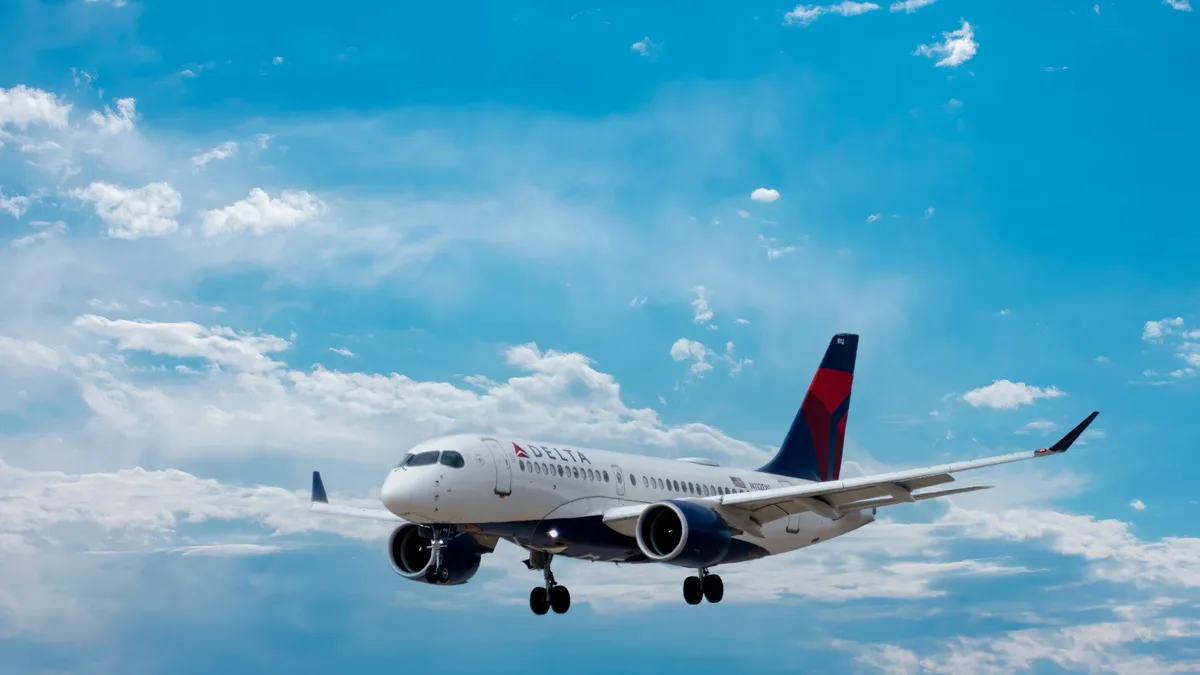
Two Delta Air Lines Airbus A220 aircraft experienced cabin fume incidents in two days, forcing one flight to divert and another to declare an emergency before landing. Both aircraft landed safely, and all passengers deplaned normally at the gate.
Delta flight 1035 diverted to Raleigh-Durham International Airport on Monday after its crew detected fumes while en route from Jacksonville to New York. The following day, Delta flight 1390 declared an emergency while approaching Chicago O'Hare after a similar issue arose on its flight from New York LaGuardia. The airline stated the events are not currently known to be connected.
Details of the Two Incidents
The first event involved Delta flight 1035, an Airbus A220 carrying 113 people. The crew diverted the aircraft to Raleigh-Durham after detecting fumes in the cabin. Delta told Simple Flying that the emergency declaration was made to receive priority handling from air traffic control, not due to an immediate catastrophic failure. Passengers later traveled to New York on a different aircraft.
Approximately 24 hours later, Delta flight 1390 encountered fumes while flying from LaGuardia to Chicago O'Hare. This flight was also operated by an Airbus A220, with 130 people on board. The crew declared an emergency during approach, landed safely, and passengers deplaned normally. Delta's maintenance teams removed this specific aircraft from service for evaluation.
Airline and Regulatory Response
In a statement to Simple Flying, Delta emphasized its serious approach. "Smoke, fumes and odor events are rare, though we take each seriously, as we do with all matters of safety," the airline said. The carrier uses its safety management system to address root causes.
Airlines must report qualifying smoke or fume incidents to the Federal Aviation Administration. The FAA notes cabin air quality in modern transports is typically comparable to or better than that in public buildings, using a mix of fresh and HEPA-filtered recirculated air. However, the source of any specific fume event must be investigated.
Safety Protocols for Cabin Air Events
Cabin fumes are treated as potential emergencies because their source cannot be instantly identified. Possible origins include engine oil-seal failures or recirculation-fan bearing issues. Fumes can affect passenger and crew health and, in severe cases, impede flight deck operations.
The National Transportation Safety Board has recently focused on improving training for such scenarios. Following a 2023 Southwest Airlines incident where a bird strike caused smoke to fill a Boeing 737 MAX 8 cockpit, the NTSB recommended more realistic, scenario-based training for smoke emergencies. In that event and another similar one, engine problems led to vapor entering the cabin.
Delta's actions-diverting one flight and removing the other aircraft for inspection-reflect the standard precautionary approach when the origin of cabin fumes is not immediately clear. The investigations into both incidents are ongoing.