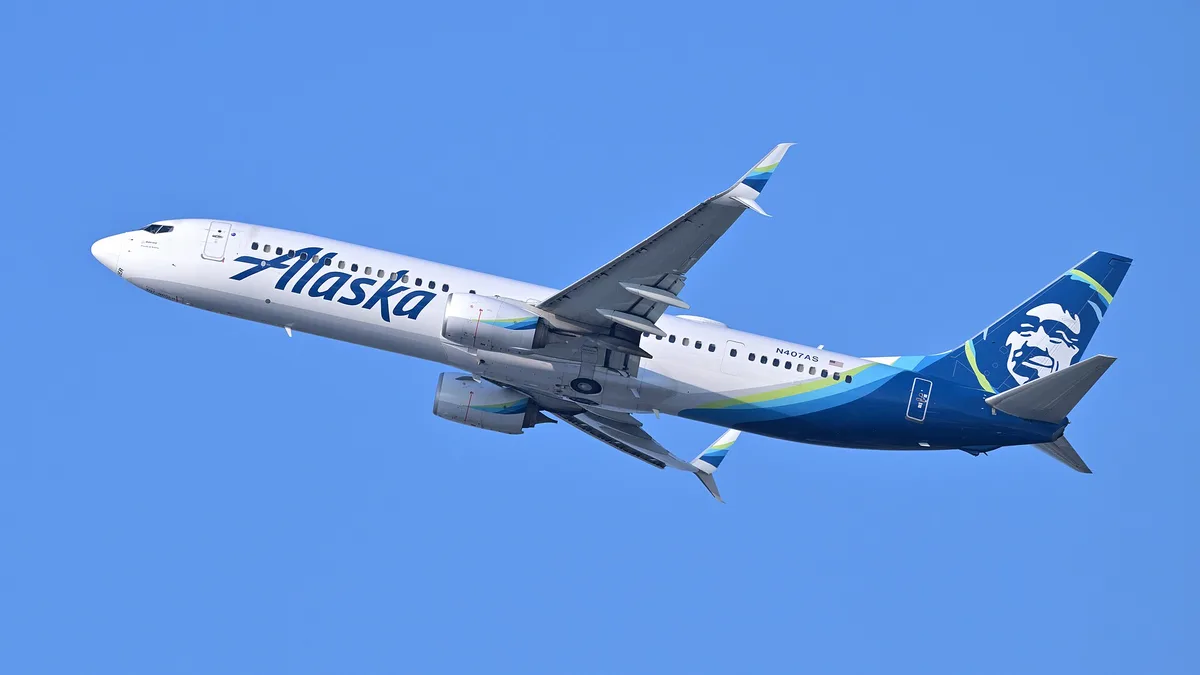
Alaska Airlines
| Airframe manufacturer | Boeing |
|---|---|
| Engine manufacturer | CFM International |
| Programme status | In service |
| Typical configuration | Two-class (First & Main Cabin) |
| Typical seating capacity | 178 passengers |
| Winglets | Blended winglets |
| Primary service type | Domestic and international passenger operations |
Origin and history
Alaska Airlines is a major airline headquartered in the United States, specifically in the Seattle metropolitan area. Its origins trace back to the early 1930s, when it began as a regional service in the state of Alaska. The airline was initially formed from the merger of several smaller bush airlines that served remote communities across the vast territory. For decades, its primary operational focus was within the state of Alaska, connecting isolated towns and supporting the region's development. Over the latter half of the twentieth century, the carrier systematically expanded its route network beyond Alaska to the contiguous United States. This strategic growth transformed it from a regional operator into a significant national carrier, culminating in its acquisition of Virgin America in the 2010s to bolster its presence on the West Coast.
What it is designed for
Alaska Airlines is designed as a network carrier providing scheduled passenger air transportation across a broad geographic scope. Its route structure is built on a hub-and-spoke model, with primary hubs in Seattle, Portland, San Francisco, Los Angeles, and Anchorage facilitating connections. The airline's network is intentionally concentrated on the West Coast of North America, offering extensive connectivity to destinations within Alaska, the contiguous United States, Canada, Mexico, and Costa Rica. A core part of its design is to serve as a critical transportation link for communities within Alaska, many of which lack road access and rely heavily on air service. Furthermore, it is engineered to compete effectively in the transcontinental and West Coast markets, offering a viable alternative to the three major U.S. legacy carriers. The airline also operates a significant cargo division, Alaska Air Cargo, which is designed to transport time-sensitive freight, particularly seafood and other goods, from Alaska to major markets.
Development and versions
The development of Alaska Airlines has been marked by strategic fleet modernization and network evolution rather than distinct "versions" in the manner of an aircraft type. Its early development phase utilized small propeller aircraft like the Lockheed L-10 Electra and various bush planes suitable for Alaska's rugged terrain and short runways. A significant step in its development was the introduction of jet aircraft in the 1960s, such as the Boeing 727, which enabled more efficient and faster service to the lower 48 states. The airline later standardized much of its mainline fleet around the Boeing 737 family, operating multiple generations from the 737-400 to the 737 MAX, which provided commonality and efficiency. Its acquisition of Virgin America in the 2010s integrated Airbus A320-family aircraft into its fleet, creating a mixed-fleet operation for a period before retiring the Airbus models. The current development phase focuses on harmonizing its fleet around newer Boeing 737 models and the Airbus A321neo, while expanding its international reach and refining its loyalty program and customer service offerings.
Pros and cons
A significant pro of Alaska Airlines is its strong operational reliability and consistent on-time performance, which often ranks among the best of U.S. carriers. The airline is also widely praised for its customer service culture, which generally feels more personalized and less corporate than that of the largest legacy airlines. Its extensive West Coast network and strategically located hubs provide convenient routing and competitive options for travelers in that region, particularly for flights to Alaska. A notable con is its more limited global network and international partner roster compared to airlines aligned with major global alliances, which can be a drawback for frequent international travelers seeking seamless global connections. Some passengers regret choosing Alaska on densely competitive transcontinental routes where other carriers may offer a wider array of cabin products or more frequent flight schedules. A common mistake for infrequent travelers is underestimating the logistical challenges of connecting through its primary hub in Seattle during peak winter months, when weather can cause widespread disruptions despite the airline's generally strong operational handling.
Who it suits
Alaska Airlines suits travelers who are based on or frequently travel to the U.S. West Coast, for whom the airline's dense route network offers considerable convenience and often direct routing. It is well-suited for passengers traveling to, from, or within the state of Alaska, where it provides the most comprehensive service and deep local knowledge. The airline appeals to leisure and business travelers who prioritize reliable operations and generally positive customer service experiences over the most expansive global network. It suits members of its Mileage Plan loyalty program, especially those who value its award chart and partnership with other oneworld alliance members, though its standalone partner list is selective. The carrier is less suited for travelers whose journeys originate in the central or eastern United States and require connections to international destinations beyond North America, as routing can become circuitous. It also may not suit passengers who strictly prefer a single aircraft family or those who require the most extensive array of premium cabin amenities on every flight, as its product offerings can vary across its fleet and route structure.
Latest Alaska Airlines news
Latest reporting
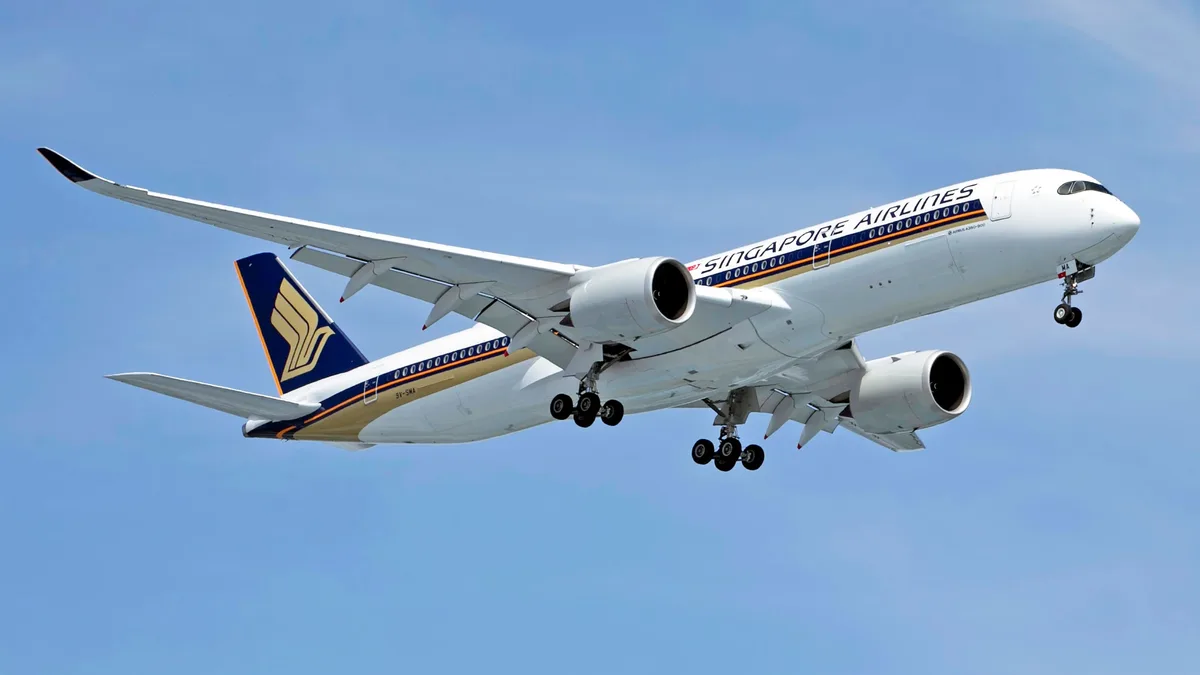
Singapore Airlines Winter 2026/27 Schedule Adds A380
Singapore Airlines will fly to 82 destinations this winter, redeploying the Airbus A380 to Auckland for the full season and adjusting cabins on...
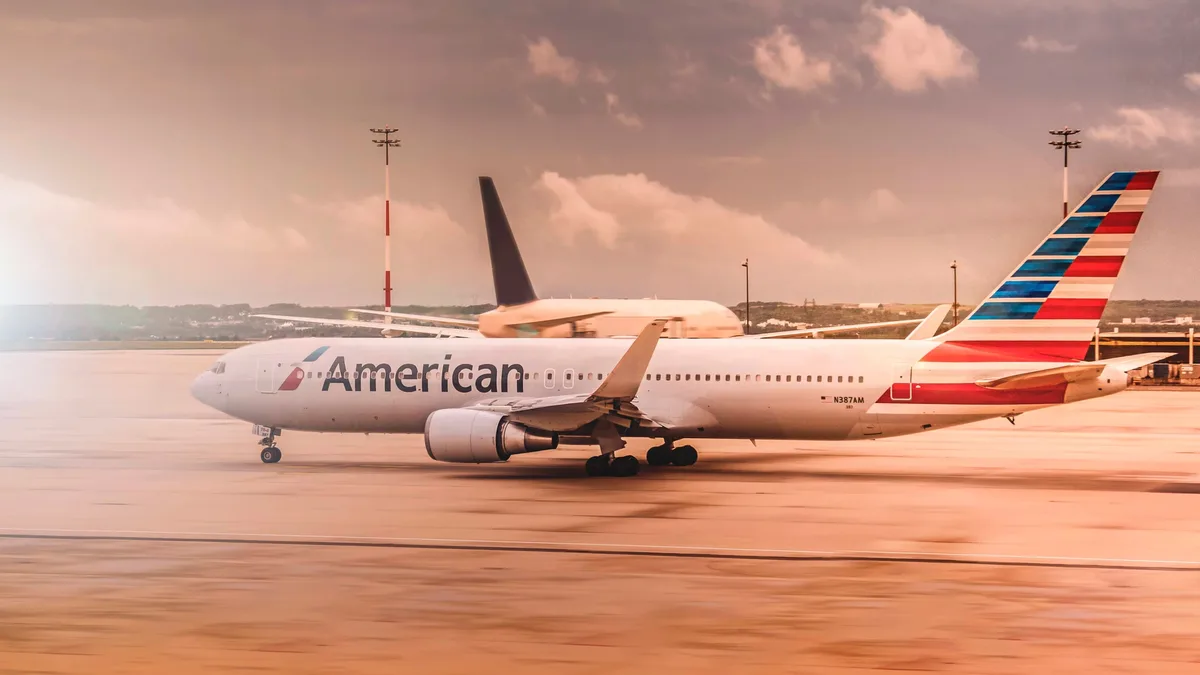
Alaska Airlines Boeing 737 MAX 10
Boeing has completed flight testing for the 737 MAX 10, with FAA certification expected by the end of September 2026.
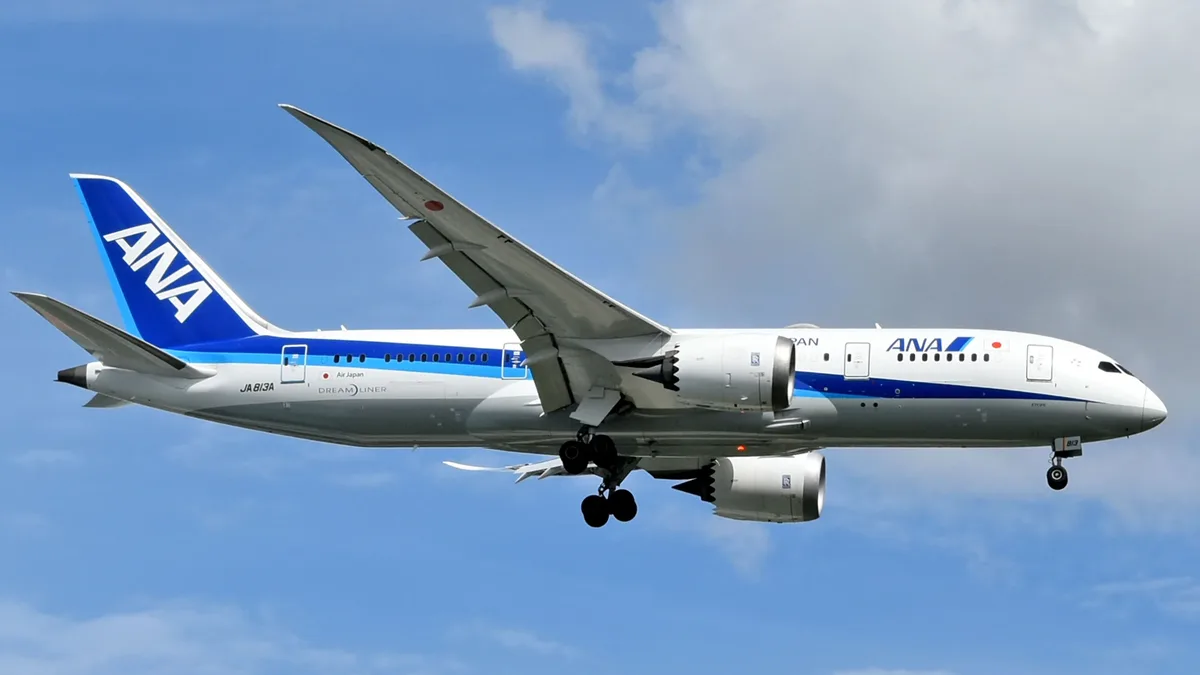
Japan's Unique Aircraft for Aviation Enthusiasts
A guide for plane spotters visiting Japan highlights distinctive domestic airlines and aircraft rarely seen outside the country, including ANA's...

Southwest Explores First Class Amid Boeing 737 Galley
Southwest Airlines is considering adding a domestic first class cabin to its all-Boeing 737 fleet, but faces significant retrofitting challenges due...
Aleutian Airways operates rare Saab 2000s in Alaska
Alaska's Aleutian Airways is one of the world's last passenger operators of the Saab 2000 turboprop, using four of the aircraft to serve remote...
United Airlines Tests Gate Delivery Food Service At Newark
United Airlines is trialing a mobile app service at Newark Liberty International Airport that lets passengers order food and essentials for delivery