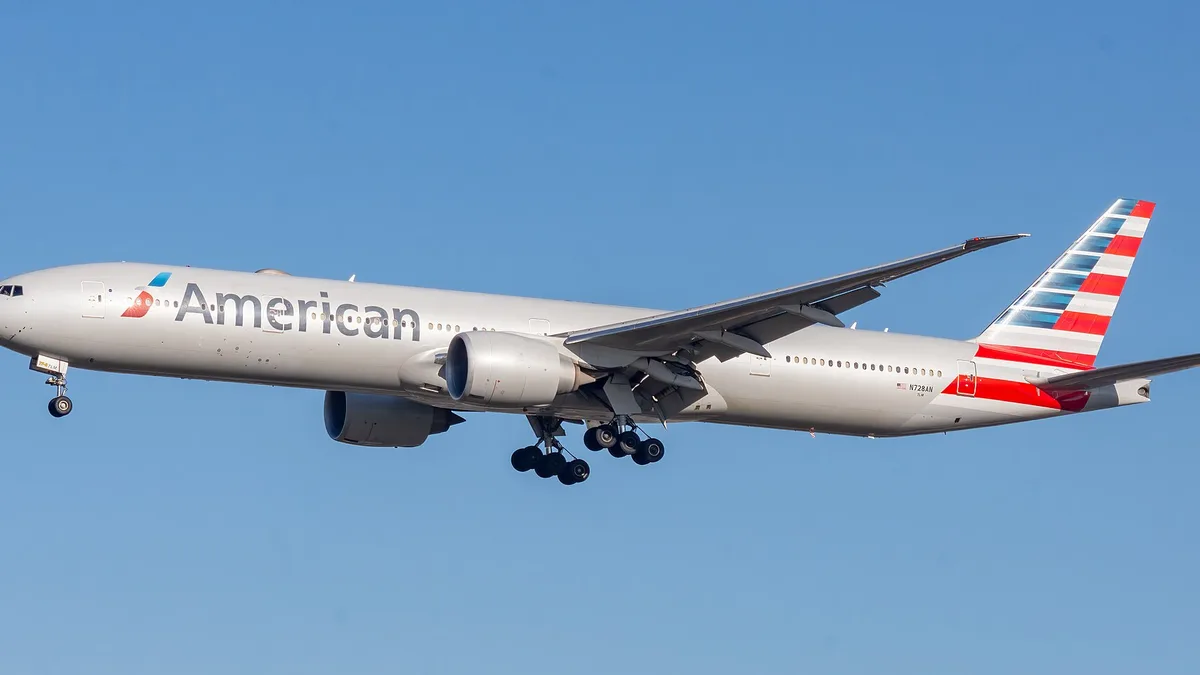
American Airlines
| Country of origin | United States |
|---|---|
| First created | 1930s (as American Airways) |
| Original use | Commercial air transportation |
| Aircraft types operated | Narrow-body and wide-body jets |
| Primary hubs | Dallas/Fort Worth, Charlotte, Chicago–O'Hare, Miami, Philadelphia, Phoenix–Sky Harbor |
| Alliance | Oneworld |
| Frequent-flyer programme | AAdvantage |
| IATA airline code | AA |
Origin and history
American Airlines is a major airline headquartered in Fort Worth, Texas, in the United States. Its origins trace back to the early decades of commercial aviation in the 1920s and 1930s. The airline was formed from the consolidation of over eighty smaller airlines and mail carriers, including Robertson Aircraft Corporation and Colonial Air Transport. A pivotal entity in its lineage was American Airways, which was organized in 1930 and later restructured to become American Airlines in 1934. This period coincided with the development of the DC-3, an aircraft that American helped pioneer for passenger service. The airline's history is deeply intertwined with the growth of the U.S. domestic air network and the evolution of the hub-and-spoke system.
What it is designed for
American Airlines is designed as a global network carrier, providing scheduled passenger and cargo air transportation. Its route structure is built around major hub airports, including Dallas/Fort Worth (DFW), Charlotte (CLT), Chicago O'Hare (ORD), Miami (MIA), Philadelphia (PHL), Phoenix (PHX), and Washington Reagan (DCA). This hub system is designed to efficiently consolidate traffic from numerous origins and destinations, facilitating connectivity across a vast domestic and international network. The airline's operations are tailored to serve a broad market, from price-sensitive leisure travelers to premium business customers, with corresponding cabin classes and fare products. Its extensive partnerships within the Oneworld alliance and with other carriers are designed to extend its global reach beyond its own metal. Furthermore, its fleet and schedule are designed to maintain high-frequency service on key business routes while also serving seasonal and leisure-oriented markets.
Development and versions
The development of American Airlines as an operator is characterized by continuous fleet modernization and strategic expansion. Its operational identity has evolved through distinct eras, from operating propeller-driven aircraft like the DC-3 and DC-6 to leading the jet age with the Boeing 707. The airline was a launch customer for several iconic aircraft, including the Douglas DC-10 in the 1970s and the Boeing 777-300ER in the 2010s. A significant chapter in its development was the 2013 merger with US Airways, which integrated two large networks, fleets, and workforces, creating the world's largest airline by several metrics at the time. Its fleet strategy has progressively focused on simplifying types, moving from a diverse mix to a core of Airbus A320-family and Boeing 737 narrowbodies, alongside Boeing 777 and 787 and Airbus A321neo aircraft for widebody operations. The airline continually updates its cabin products, loyalty program, and operational procedures in response to competitive and economic pressures.
Pros and cons
regions extensive routing options and frequent flights. Its membership in the Oneworld alliance provides valuable international reciprocity for earning and redeeming miles. However, a common con is operational fragility, where disruptions at a major hub can cascade through the entire network, leading to widespread delays and cancellations that are slow to resolve. Travelers often regret choosing American when facing inconsistent service quality and product offerings across its fleet, as older aircraft with outdated cabins can still appear on key routes. The airline's complex fare structure and basic economy restrictions are a frequent source of confusion and frustration for customers who do not meticulously review terms. A common mistake is assuming uniform service levels; the experience on a flagship transcontinental or international route can differ drastically from a short-haul domestic flight.
Who it suits
American Airlines best suits travelers whose primary need is convenient access to its dense hub networks, especially those living in or traveling to cities like Dallas, Charlotte, Miami, or Chicago. It suits frequent business travelers in these regions who benefit from the high flight frequency and can achieve elite status for perks like upgrades and lounge access. The airline can be a pragmatic choice for Oneworld alliance loyalists looking to earn or burn miles across a vast U.S. platform. It also suits budget-conscious leisure travelers willing to trade amenities for competitive basic economy fares on dense routes, provided they understand the restrictions. However, it suits less well those who prioritize consistent onboard product quality or who frequently travel to destinations not well-served by American's hubs, as connections can be lengthy. It is generally less suited to travelers who are highly sensitive to operational reliability or who seek a premium experience without the uncertainty of varied fleet standards.
Latest American Airlines news
Latest reporting
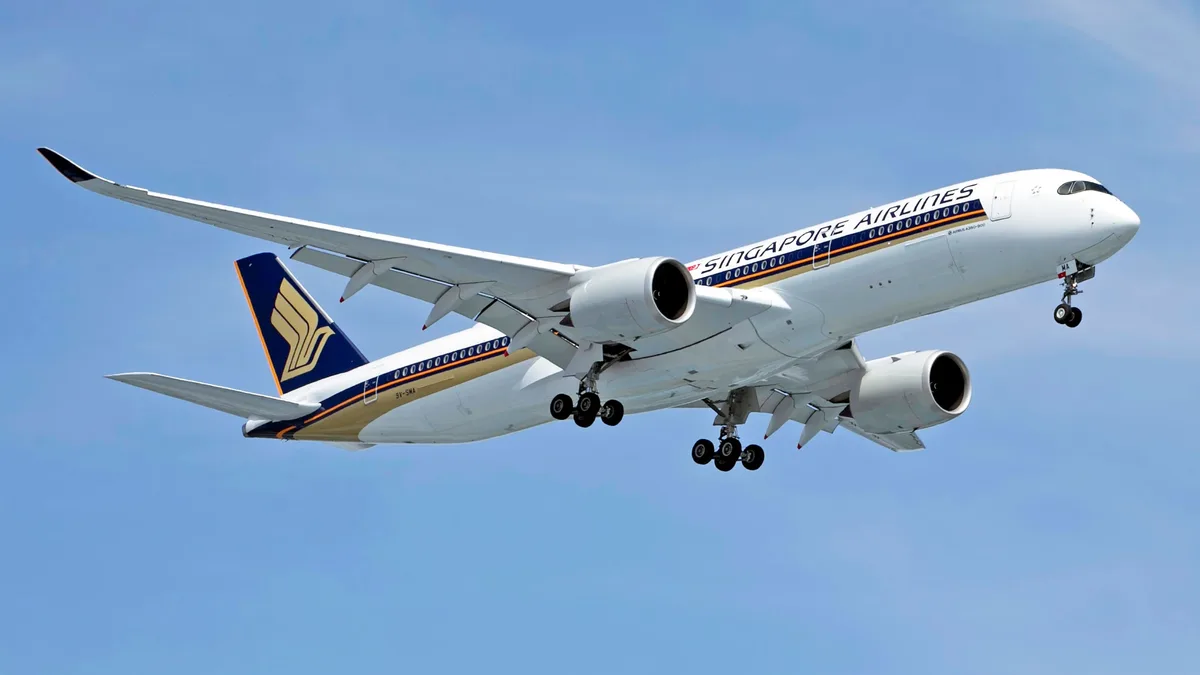
Singapore Airlines Winter 2026/27 Schedule Adds A380
Singapore Airlines will fly to 82 destinations this winter, redeploying the Airbus A380 to Auckland for the full season and adjusting cabins on...
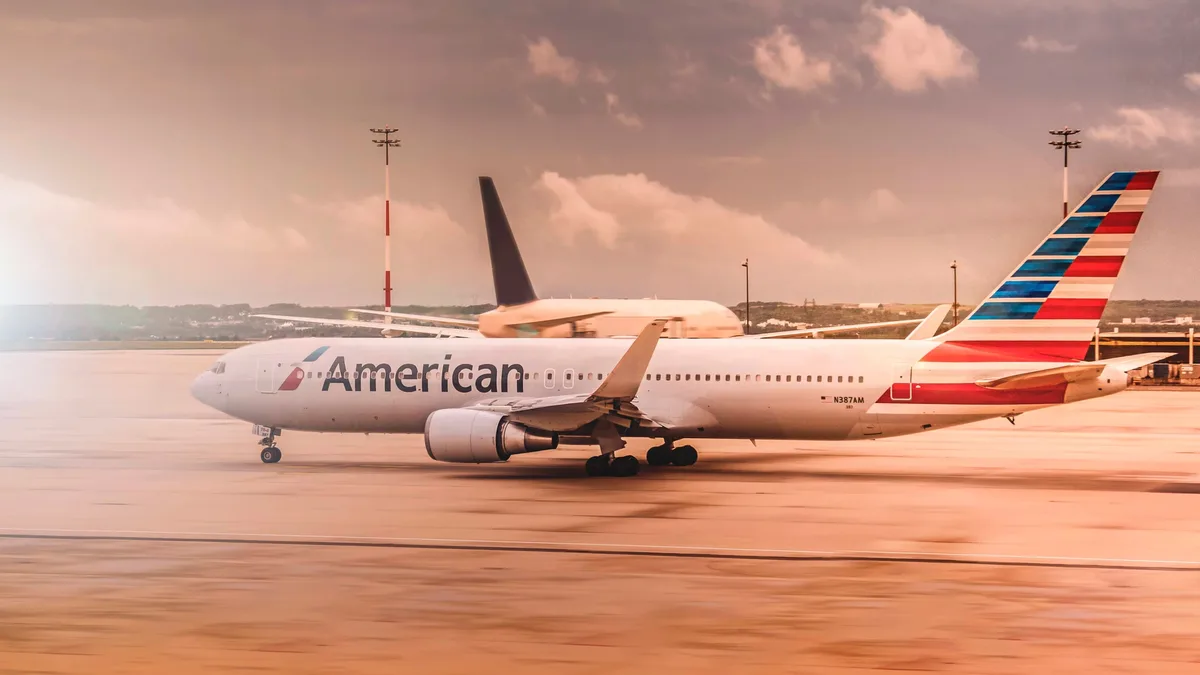
Alaska Airlines Boeing 737 MAX 10
Boeing has completed flight testing for the 737 MAX 10, with FAA certification expected by the end of September 2026.
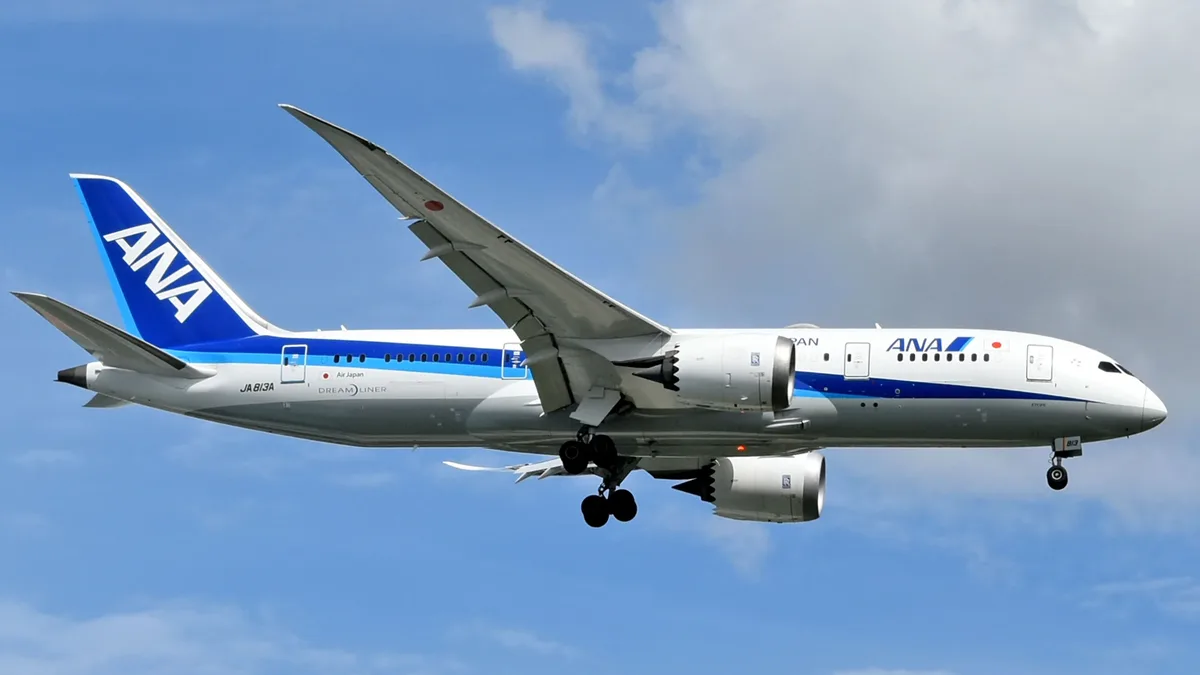
Japan's Unique Aircraft for Aviation Enthusiasts
A guide for plane spotters visiting Japan highlights distinctive domestic airlines and aircraft rarely seen outside the country, including ANA's...
Southwest Explores First Class Amid Boeing 737 Galley
Southwest Airlines is considering adding a domestic first class cabin to its all-Boeing 737 fleet, but faces significant retrofitting challenges due...
United Airlines Tests Gate Delivery Food Service At Newark
United Airlines is trialing a mobile app service at Newark Liberty International Airport that lets passengers order food and essentials for delivery
Philippine Airlines Deploys A350-1000 on Key Pacific Routes
Philippine Airlines is deploying its new Airbus A350-1000s on ultra-long-haul routes to North America, including San Francisco, New York, and Toronto.