E 7A Wedgetail Usaf
| Aircraft type | Airborne Early Warning and Control (AEW&C) aircraft |
|---|---|
| Airframe | Boeing 737-700 (modified) |
| Engine | CFM56-7B27A turbofan engines (two) |
| Original use | Airborne battle management, command and control, surveillance |
| Programme status | In service |
| Operator | United States Air Force (USAF) |
| Country of origin | United States (airframe), multinational (mission system) |
Origin and history
The E-7A Wedgetail is an airborne early warning and control (AEW&C) aircraft originally developed for the Royal Australian Air Force in the late 1990s and early 2000s. Its design is based on the commercial Boeing 737-700 airframe, selected for its reliability and performance. The programme was initiated to replace the aging fleet of Lockheed AP-3C Orion aircraft used in a surveillance role and to provide a dedicated AEW&C capability. The name "Wedgetail" derives from the wedge-tailed eagle, a large bird of prey native to Australia known for its exceptional vision and soaring flight. The United States Air Force's involvement with the platform is a more recent development, stemming from the 2020s as it sought to replace its aging E-3 Sentry (AWACS) fleet. The USAF's decision to procure the E-7A represents a significant international endorsement of the Australian-developed system.
What it is designed for
The E-7A Wedgetail is designed to provide persistent airborne battle management, command and control, and radar surveillance across vast distances. Its primary role is to detect and track airborne and maritime threats, such as enemy aircraft, cruise missiles, and ships, long before ground-based or ship-based radars can. The aircraft's systems are engineered to form a comprehensive real-time picture of the battlespace, which it shares with friendly air, ground, and naval forces. This enables coordinated tactical responses and allows for the efficient direction of fighter intercepts and other assets. A key design requirement was the ability to operate effectively over both expansive oceanic areas and complex land environments. The platform is also built for interoperability, intended to seamlessly integrate data with allied forces operating similar NATO-standard systems.
Development and versions
Development of the Wedgetail began following a contract award to Boeing in the late 1990s, with the project facing significant technical challenges and delays related to its advanced mission system integration. The core of the system is the Northrop Grumman Multi-role Electronically Scanned Array (MESA) radar, which is mounted on a distinctive "top hat" dorsal fin above the fuselage, providing 360-degree coverage. The initial production version was the E-7A for the Royal Australian Air Force, with six aircraft delivered and entering service in the 2000s. Other versions include the E-7T Peace Eagle for Turkey and the E-7A for the Republic of Korea Air Force, each with country-specific modifications. The United Kingdom also selected the platform as its future AEW&C aircraft, designated the E-7A Wedgetail AEW1. The USAF version is expected to incorporate specific communications and data link requirements standard to U.S. operations, while leveraging the core proven system.
Pros and cons
A primary advantage of the E-7A is its modern, efficient airframe derived from the Boeing 737 Next Generation series, which offers greater fuel efficiency, longer range, and lower operating costs compared to older, larger aircraft like the E-3 Sentry based on the Boeing 707. The MESA radar provides superior tracking capability, particularly against low-observable targets like stealth aircraft and cruise missiles, and is more reliable than the older mechanically scanned rotodome systems. However, a significant con is the high unit cost of the integrated system, which can limit the number of aircraft a nation can afford to procure and sustain. The platform's complexity also demands highly trained specialist crews for both flight operations and mission system management, creating a substantial personnel investment. Some operators have reported that the extensive software-defined systems, while powerful, require continual updates and can present integration challenges with legacy allied equipment. A common mistake for new operators is underestimating the sustained investment in simulation, training, and software support needed to maintain operational readiness.
Who it suits
The E-7A Wedgetail best suits modern air forces that require a highly capable, persistent surveillance and battle management platform but do not require or cannot support the larger fleet sizes of the past. It is particularly suited for nations with vast maritime approaches or territorial areas to monitor, such as Australia, the United Kingdom, and South Korea. The aircraft suits forces that prioritize network-centric warfare and deep interoperability with key allies like the United States and other NATO members, as the platform is designed for data exchange within these ecosystems. It is less suited for nations with very limited defense budgets or those whose threat environment does not justify such a sophisticated and expensive capability, where ground-based radars or smaller surveillance aircraft may be more appropriate. The platform also suits air forces transitioning from older AEW&C systems, as it offers a logical technological leap while utilizing a familiar twin-jet airframe common in global commercial aviation.
Latest E 7A Wedgetail Usaf news
Latest reporting
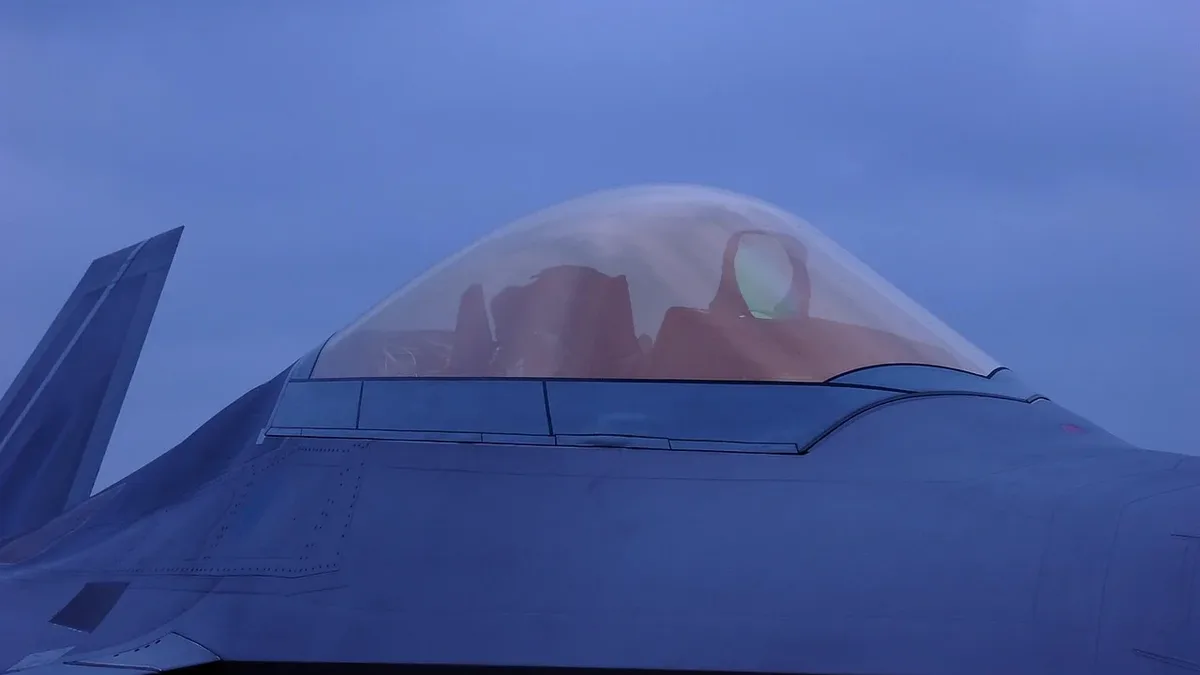
F-22 Pilot Receives Top Safety Award for Belly Landing
USAF Captain Michael Cloninger earned the Koren Kolligian Jr. Trophy for safely belly-landing an F-22 Raptor in the Middle East after a wheel...
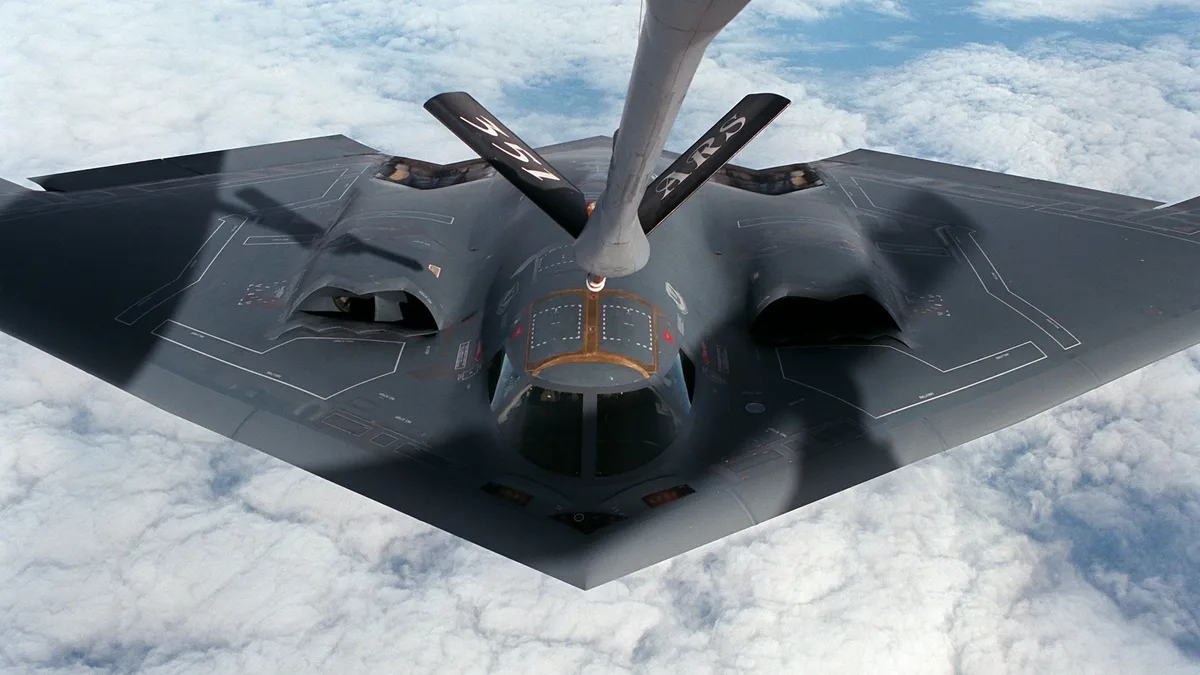
USAF Updates B-2 Spirit Payload to 60,000 Pounds
The U.S. Air Force has quietly revised the B-2 Spirit's official payload capacity from 40,000 to 60,000 pounds, placing it closer to the B-52
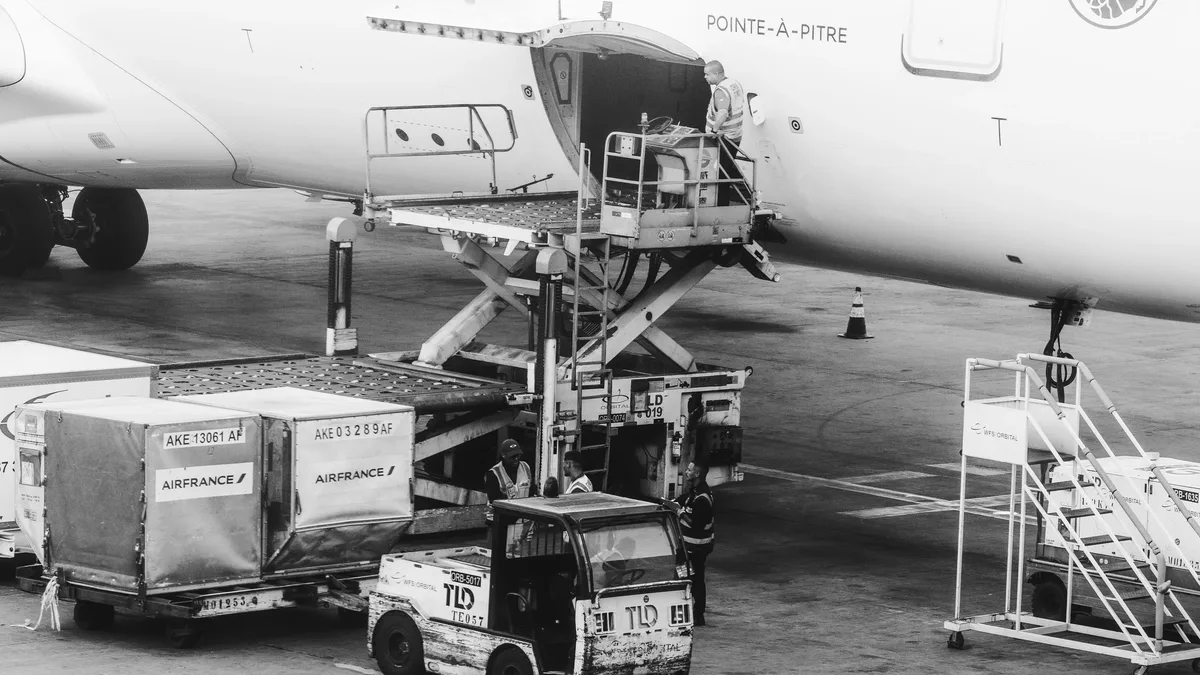
USAF's Ramstein Base Anchors C-17 Air Bridge Amid Fleet
Ramstein Air Base in Germany serves as the critical hub for a massive US Air Force airlift operation, coordinating over 350 aircraft movements...
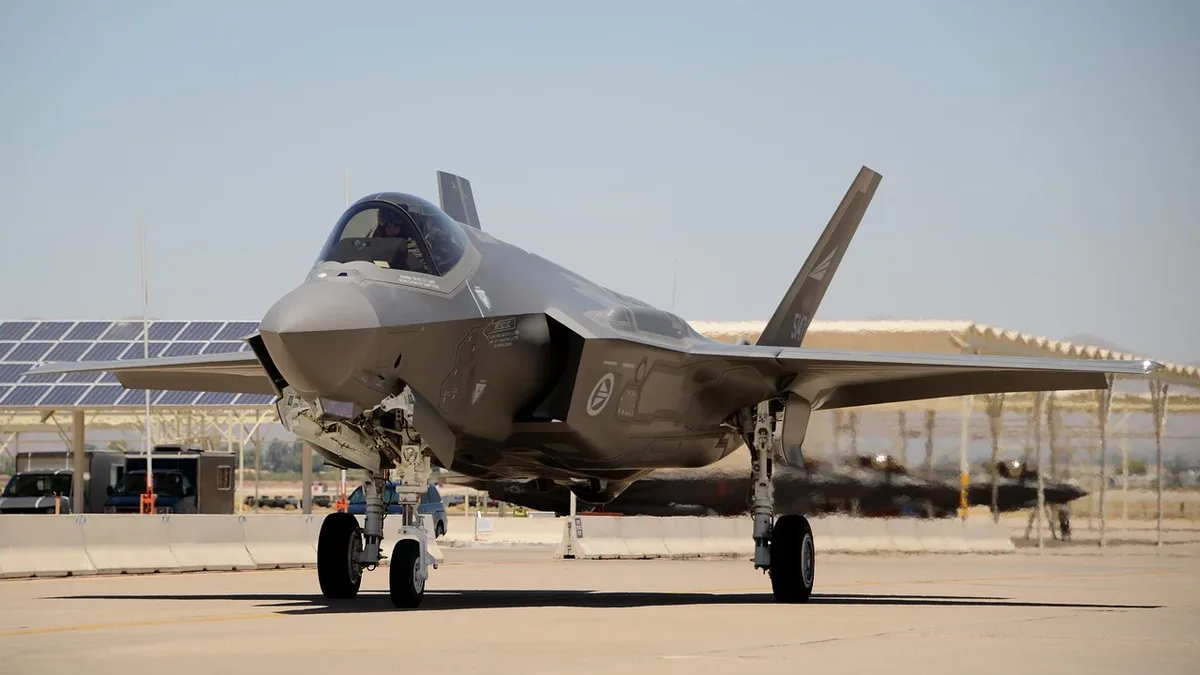
USAF to Spend Up to $1 Billion Upgrading Selfridge
The US Air Force and Michigan will invest nearly $1 billion to modernize Selfridge Air National Guard Base for 21 new F-15EX Eagle II fighters and...
Six Retired USAF Warbirds Still Flying With Commemorative
Six types of retired US military aircraft, from the B-25 Mitchell to the P-51 Mustang, continue to fly as civilian warbirds under the Commemorative...
USAF Pushes CCA Drones for Bare Airfield Operations
The US Air Force is accelerating its Collaborative Combat Aircraft program, designing low-cost, rugged drones that can operate from austere sites...