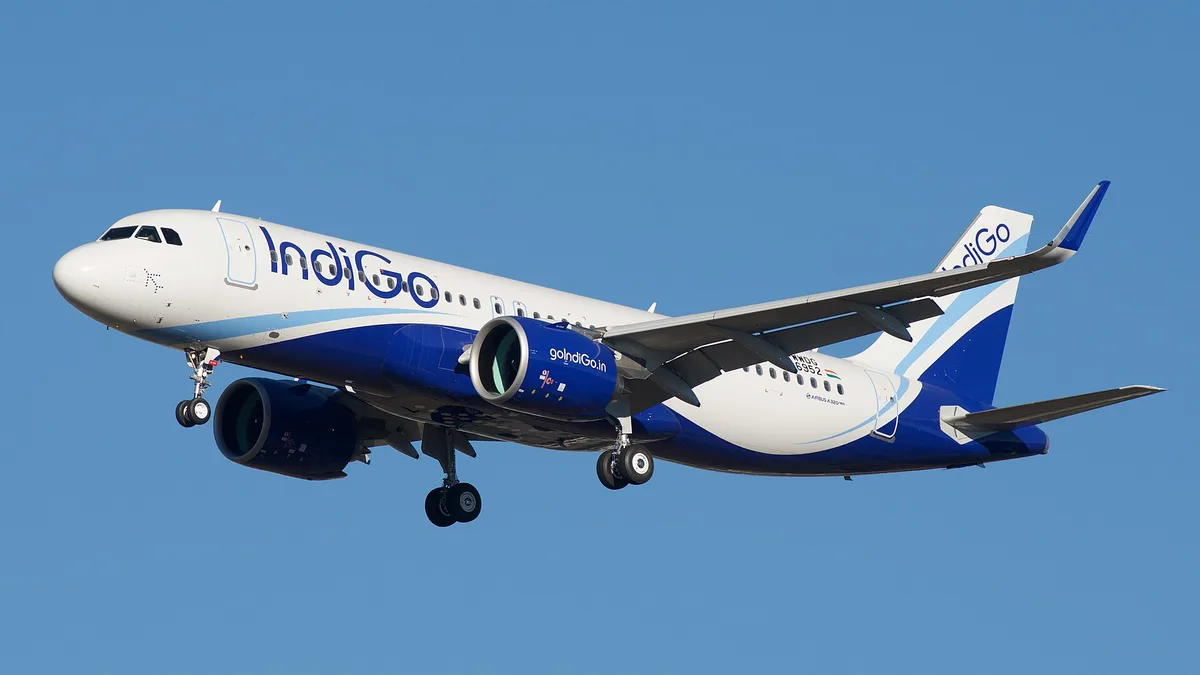
A320Neo Family
| Manufacturer | Airbus |
|---|---|
| Country of origin | France, Germany, Spain, United Kingdom |
| First flight | 2014 |
| Original use | Narrow-body, short- to medium-haul passenger airliner |
| Engine types | Pratt & Whitney PW1100G-JM, CFM International LEAP-1A |
| Typical seating capacity | 140 to 180 (two-class) |
| Range | Approximately 3,500 to 4,000 nautical miles |
| Wingspan | 35.8 meters (117 feet 5 inches) |
Origin and history
The A320neo Family originates from Europe, developed by Airbus as an evolution of its existing A320ceo (Current Engine Option) series. The programme was officially launched in the 2010s, with the "neo" designation standing for "New Engine Option." Its development was a strategic response to emerging fuel-efficient engine technology and increasing environmental pressures on the aviation industry. The family was created to extend the market dominance of the A320 platform by offering significant operational improvements. The first member of the family, the A320neo, conducted its maiden flight in the mid-2010s. It entered commercial service shortly thereafter, marking the beginning of a new generation of single-aisle aircraft.
What it is designed for
The A320neo Family is designed for short to medium-haul airline routes, typically covering distances up to approximately 3,500 nautical miles. Its primary design goals are to reduce fuel consumption and operating costs for airlines while increasing passenger capacity and comfort. The aircraft is engineered to operate efficiently on high-frequency routes between major city pairs, as well as on thinner routes with lower demand. A key focus was on lowering noise emissions to comply with stricter airport noise regulations and to allow for more community-friendly operations. The design also prioritizes commonality with the previous A320ceo family to minimize pilot training costs and streamline maintenance procedures for existing operators. It serves as the core of many airline fleets, intended to replace older, less efficient aircraft types.
Development and versions
Development centered on integrating new-generation engines and incorporating aerodynamic enhancements known as "Sharklets" at the wingtips. The programme produced several distinct versions, each based on a corresponding model from the A320ceo family. The A319neo is the smallest variant, tailored for lower-density or longer, thin routes. The A320neo is the standard and most popular model, offering a balance of range and capacity. The A321neo is the largest variant, providing the highest passenger count and longest range within the family. An extended-range version of the A321neo, called the A321LR (Long Range), was later developed for transatlantic and other long thin routes. The latest development is the A321XLR (Extra Long Range), which pushes the range further to open new point-to-point markets.
A320Neo Family specs
Specifications vary between the A319neo, A320neo, and A321neo models, but share common technological foundations. All variants are powered by a choice of two advanced engine options: the Pratt & Whitney PW1100G-JM Geared Turbofan or the CFM International LEAP-1A. These engines deliver double-digit percentage improvements in fuel burn per seat compared to previous-generation aircraft. Typical two-class seating capacity ranges from approximately 140 passengers for the A319neo to 180-200 for the A320neo, and up to 240 for the A321neo. Maximum take-off weight and range figures increase with each model, with the A321XLR designed for ranges up to approximately 4,700 nautical miles. The aircraft fuselage is primarily constructed from aluminum alloys, with increasing use of composite materials in components like the tail cone and winglets.
A320Neo Family seat map
A typical seat map for the A320neo features a single-aisle cabin configuration with seating divided into business and economy classes. The forward cabin is commonly arranged with four or six seats per row in a 2-2 or 2-1 layout for business class, offering more space. The larger economy class cabin typically has six seats per row in a 3-3 configuration throughout its length. Overhead stowage bins are of the "Space-Flex" or larger "Airspace" design, providing increased volume for carry-on luggage. The A321neo seat map is longer, often featuring additional emergency exits and potentially an extra galley or lavatory complex mid-cabin. Seat pitch and specific layout are determined by the individual airline, not the manufacturer, leading to significant variation in passenger experience between carriers.
Overview
The A320neo Family represents the dominant modern narrow-body aircraft family in global aviation, competing directly with the Boeing 737 MAX series. It is characterized by its advanced aerodynamics, efficient engines, and cabin improvements aimed at both airlines and passengers. The family's success is built upon the immense operational and training commonality it maintains with the thousands of A320ceo aircraft already in service. It has become the fastest-selling aircraft family in aviation history by order volume, reflecting strong airline demand for its promised efficiencies. The aircraft incorporates digital fly-by-wire flight controls as standard, a legacy feature of the A320 design. Its introduction triggered a major wave of fleet renewal across the world's airlines, from large full-service carriers to low-cost operators.
What to know
A key point is that the "neo" designation refers specifically to the new engine choices and associated airframe modifications, not an entirely new aircraft design. Operators must choose between the two available engine types, which have different maintenance schedules, performance nuances, and reliability profiles. Early operations of the new engine technologies, particularly the Pratt & Whitney geared turbofan, encountered significant teething problems leading to operational disruptions and increased maintenance. The Airbus Airspace cabin, available on newer deliveries, offers larger bins, updated lighting, and redesigned lavatories for improved passenger experience. While offering more range, the A321LR and XLR variants achieve this through the addition of permanent extra fuel tanks, which reduces underfloor cargo space. Airlines often configure these aircraft with very high density seating, which can result in a cramped passenger experience despite the modern cabin.
Common questions
A common question is the difference between the A320ceo and A320neo, which primarily lies in the engines, Sharklets, and minor aerodynamic tweaks, not the overall fuselage dimensions. People often ask about the meaning of "neo," which is an acronym for "New Engine Option." Many inquire about the seating capacity, which is not fixed by Airbus but determined by each airline's chosen layout and certification limits. A frequent operational question concerns the range, which varies significantly between the A319neo, A320neo, A321neo, and A321XLR versions. Potential travelers commonly want to know if the cabin is noticeably quieter, which it is, particularly for passengers seated over or behind the wings due to the modern engines. There are also questions about compatibility with airports, and the family can generally operate from the same gates and runways as the previous A320 models.
Pros and cons
A major pro is the substantial reduction in fuel burn and carbon dioxide emissions per seat, which directly lowers operating costs and environmental impact. The reduced noise footprint is a significant benefit for communities near airports and can allow for more flexible operating schedules. High commonality with the A320ceo reduces training costs for pilots and mechanics, enabling faster fleet integration. A notable con has been the reliability issues with the new-generation engines during their initial service entry, leading to unscheduled maintenance and aircraft groundings. The high demand and production complexities have sometimes led to delivery delays for airlines. From a passenger perspective, a common drawback is that airlines often install more seats to maximize revenue, potentially negating cabin comfort improvements, and the single-aisle layout can lead to slow boarding and deplaning.
Who it suits
The A320neo Family suits airlines operating dense short-to-medium-haul networks, particularly low-cost carriers seeking the lowest possible cost per seat. It is ideal for legacy network airlines that need an efficient, high-capacity workhorse for hub-feeding routes and major intra-continental flights. The A321LR and XLR variants specifically suit airlines looking to open long, thin point-to-point routes without the capacity of a wide-body aircraft, such as transatlantic services from secondary cities. It is a logical choice for existing A320ceo operators seeking to modernize their fleets with minimal operational disruption. The family is less suited to airlines operating primarily in very remote or extreme environments where older, rugged aircraft types might still hold an advantage. It is also a challenging acquisition for very small start-up airlines due to its high capital cost and the technical sophistication required for support.
Latest A320Neo Family news
Latest reporting
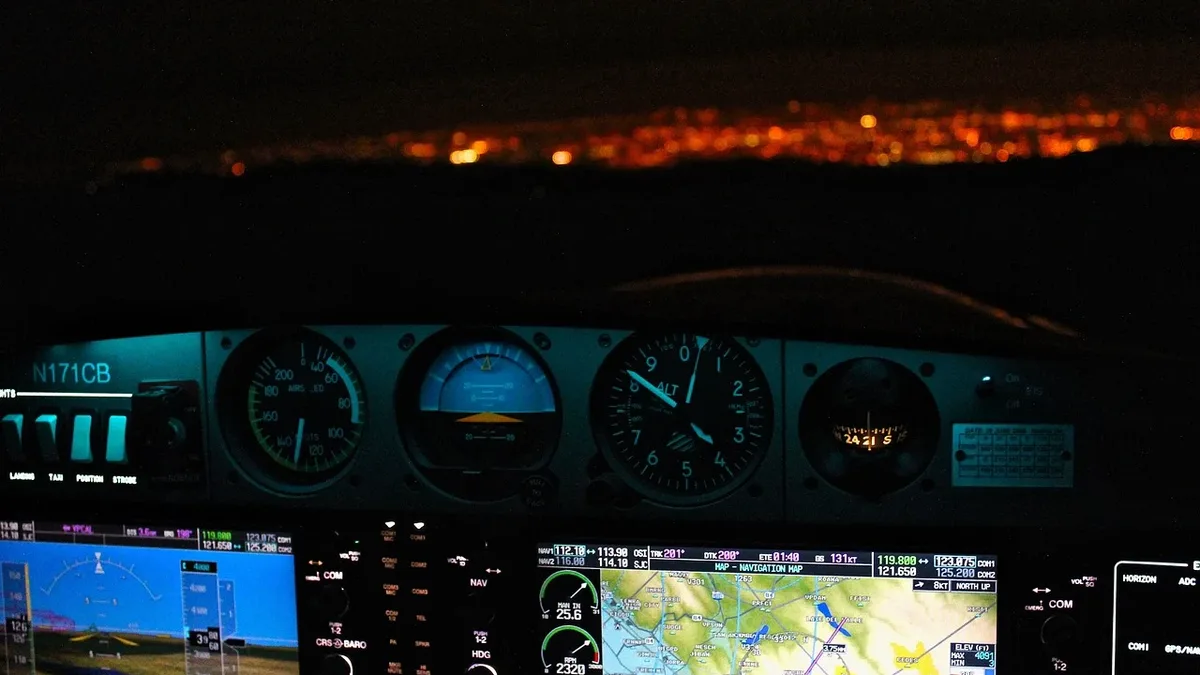
Air India A320neo loses all hydraulic systems at 36,000 feet
India’s Aircraft Accident Investigation Bureau (AAIB) has found that an Air India Airbus A320neo lost pressure in all three of its hydraulic systems...

Embraer Delivers 2,000th E-Jet to Azul
Embraer has delivered its 2,000th E-Jet, an E195-E2, to Brazilian airline Azul. The milestone places the E-Jet family among the world's three most...
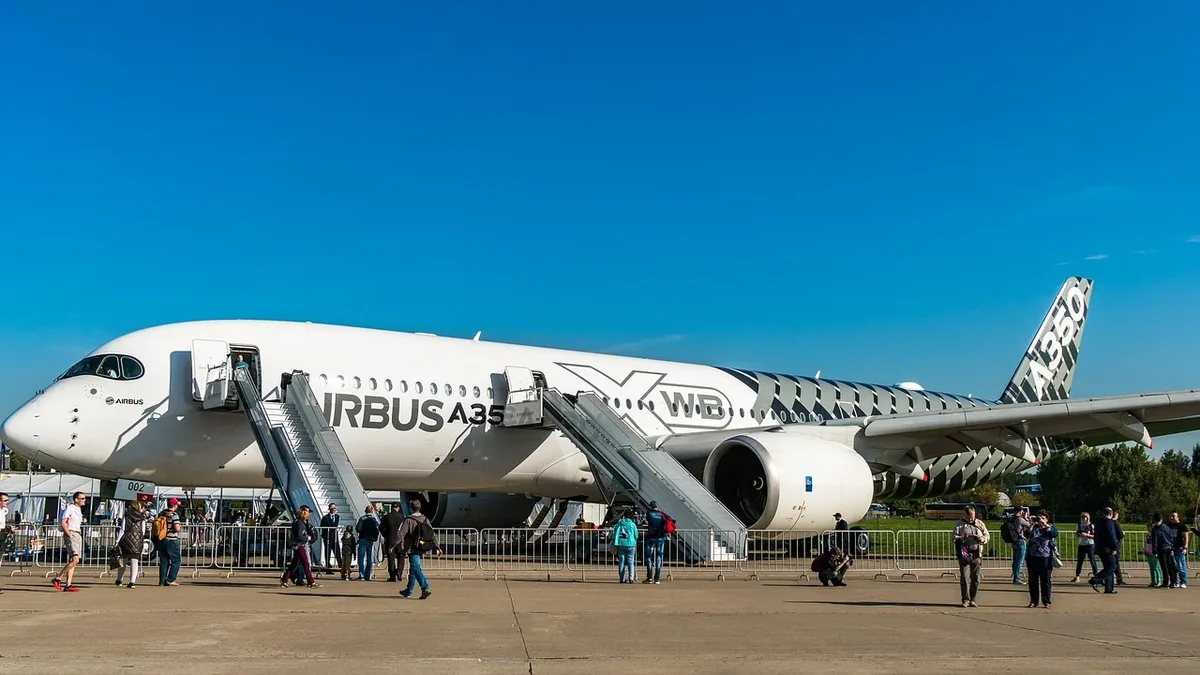
Airbus A350 Family Redefines Long-Haul Efficiency
Airbus's A350 family, launched in 2006, uses advanced materials and new engines to cut fuel burn by 25%. The A350-900 entered service in 2015...
PGA Tour Pro Maverick McNealy Finds Time with Cirrus Aircraft
Maverick McNealy, a PGA Tour professional, has found a way to balance his golf career with family life thanks to a Cirrus aircraft. He uses the plane...

Longing for the Skies: A Family's Quest for Speed and Convenience
A family's experiences with long-distance travel by car and airplane highlight the benefits of flying, particularly when it comes to time and...
Two Army Soldiers Killed in AH-64E Apache Helicopter Crash in Texas
Two U.S. Army soldiers were killed when an AH-64E Apache attack helicopter crashed in Salado, Texas. The soldiers were transported to Carl R. Darnall...