Cirrus Sr22
| Manufacturer | Cirrus Aircraft |
|---|---|
| Country of origin | United States |
| First flight | 2000 |
| Classification | Single-engine piston, fixed-gear |
| Seating capacity | 4 |
| Engine type | Continental IO-550-N or IO-550-SR |
| Notable safety system | Airframe parachute system (CAPS) |
Origin and history
The Cirrus SR22 is a single-engine, four- or five-seat composite aircraft designed and manufactured in the United States. Its development was initiated by Cirrus Aircraft, a company founded in 1984 in Baraboo, Wisconsin. The SR22 program was launched in the late 1990s as a more powerful and advanced evolution of the earlier Cirrus SR20 model. The aircraft was first delivered to customers in the year 2001, marking a significant entry into the high-performance personal aircraft market. The design emphasized new safety technology and all-composite airframe construction, which was still relatively novel in general aviation at the time. The SR22's introduction coincided with a broader industry push toward integrating advanced avionics and whole-airframe parachute systems into production aircraft.
What it is designed for
The Cirrus SR22 is designed primarily as a high-performance personal travel and business aircraft for private owners and flying clubs. Its core mission is to provide efficient point-to-point transportation over distances typically ranging from 500 to 1,000 nautical miles, outpacing most other piston singles in cruise speed and useful load. The design prioritizes occupant safety, comfort, and ease of operation, incorporating advanced systems to reduce pilot workload. The airframe and systems are engineered to operate effectively from a wide variety of general aviation airports with runway lengths commonly found in the United States. It is intended for pilots seeking an aircraft capable of traveling at speeds over 180 knots while offering a modern, car-like cockpit environment. The aircraft is also commonly used for advanced flight training, instrument proficiency, and as a sophisticated platform for pilots transitioning to high-performance and complex aircraft.
Development and versions
The SR22 has undergone continuous development since its initial certification, with major generational updates defined by advancements in avionics, engine performance, and airframe refinements. Early models (SR22 through SR22 G2) featured mechanical flight instruments and analog avionics, with the G2 introducing a redesigned wing and increased fuel capacity. The SR22 G3 generation, introduced in the mid-2000s, brought a distinctive tapered wing design, a larger dorsal fin, and the option for the Cirrus Perspective avionics system. The SR22 G5 and subsequent G6 models integrated the Cirrus Perspective Touch system, a fully integrated glass cockpit, along with airframe improvements like the iconic "Cirrus Airframe Parachute System" (CAPS) as standard equipment. The SR22T variant, introduced in the 2010s, incorporates a turbocharged engine for improved performance at higher altitudes. Each version reflects incremental improvements in speed, useful load, cabin comfort, and system reliability based on operational feedback and technological progress.
Cirrus Sr22 specs
The Cirrus SR22 is a low-wing monoplane constructed primarily from composite materials, featuring retractable tricycle landing gear. It is typically powered by a six-cylinder, horizontally opposed, fuel-injected piston engine, such as the Continental IO-550-N, producing over 300 horsepower. Standard maximum takeoff weight is approximately 3,600 pounds, with a useful load often exceeding 1,200 pounds depending on the specific model and equipment. Cruise speeds for normally aspirated models are commonly reported in the range of 180 to 190 knots true airspeed, while turbocharged models can achieve speeds over 200 knots at higher altitudes. The aircraft has a service ceiling of up to 25,000 feet for turbocharged versions, with a maximum range of approximately 1,200 nautical miles with standard fuel tanks. Standard fuel capacity is 92 gallons of 100LL avgas, and the aircraft is certified for day and night VFR and IFR operations under standard category regulations.
Cirrus Sr22 seat map
The standard cabin configuration seats four individuals in two pairs of side-by-side seats. The most common arrangement features two adjustable front seats with full recline and two rear seats, with all seats typically upholstered in leather. A fifth seat option is available on many models, configured as a center rear seat, though this significantly reduces baggage space and is suitable only for a small passenger or child. The rear seats are generally considered adequate for average-sized adults on trips of several hours, with reasonable legroom when the front seats are adjusted appropriately. Baggage compartment access is from an external door on the right rear fuselage, with a maximum allowable weight of 120 to 150 pounds, and the area is separate from the occupied cabin for security and noise reduction.
Overview
The Cirrus SR22 represents a dominant model in the modern high-performance piston-single aircraft market, known for its composite construction and integrated safety systems. It is distinguished by its standard-equipment whole-airframe parachute system (CAPS), which has been deployed numerous times in real emergencies to save occupants. The aircraft's cockpit is dominated by a sophisticated glass avionics suite that integrates flight controls, engine monitoring, navigation, and communication into primarily touch-screen interfaces. Its performance profile bridges the gap between traditional complex singles and much more expensive turboprop aircraft, offering high speed and useful load. The SR22 has a significant presence in owner-flown operations, fractional ownership programs like the Cirrus Owners and Pilots Association (COPA) fleet, and at flight training centers specializing in advanced ratings. Its design philosophy centers on reducing pilot workload through automation and stability while maintaining responsive handling characteristics.
What to know
Operating an SR22 requires a complex and high-performance aircraft endorsement, and transitioning pilots often undertake specific factory or provider training due to its advanced systems. The composite airframe is resistant to corrosion but requires specific inspection and repair techniques distinct from those used on traditional aluminum aircraft. Insurance costs are typically higher than for older piston singles, reflecting the aircraft's value, performance, and loss history, with premiums heavily influenced by pilot experience and training. The aircraft's systems, particularly the avionics suite and engine controls, are highly integrated, meaning troubleshooting often requires specialized diagnostic equipment and authorized service centers. Recurrent training is strongly recommended to maintain proficiency in the automated systems and to practice manual handling skills, which can degrade due to over-reliance on automation. The Cirrus Airframe Parachute System (CAPS) is a safety asset of last resort, but its existence does not replace sound aeronautical decision-making and standard emergency procedures for engine failures or other malfunctions.
Common questions
A frequent question is whether the Cirrus Airframe Parachute System makes the aircraft immune to engine failure, to which the answer is no; it is a risk mitigation tool for situations where a controlled landing is not possible. Many prospective buyers ask about operating costs, which are significantly higher than for older aircraft types, encompassing fuel, insurance, maintenance, and engine reserve funds. People often inquire about the realistic useful load after full fuel, which can limit baggage or passenger weight on some missions, especially in earlier or fully equipped models. A common technical question concerns the differences between the normally aspirated and turbocharged (SR22T) models, with the latter offering better high-altitude and hot-day performance at increased acquisition and operational cost. Owners and pilots regularly discuss the necessity of training for the Perspective avionics system, which has a distinct workflow compared to other glass cockpits or traditional instruments. Another recurring topic is the aircraft's handling characteristics, which are generally described as stable and forgiving but with responsive roll control and specific stall and spin recovery procedures that must be understood.
Pros and cons
Pros: The SR22 offers exceptional cross-country speed and comfort for a piston single, dramatically reducing travel time compared to slower aircraft. The integrated glass cockpit significantly reduces pilot workload in instrument meteorological conditions and simplifies systems management. The standard-equipment airframe parachute system provides a unique ultimate safety option that has proven effective in real-world emergencies. The composite construction offers excellent corrosion resistance and a smooth exterior mold line, contributing to performance. The aircraft has strong manufacturer and community support, with extensive training resources, owner groups, and a well-established network of service centers. Its modern cabin and avionics appeal to pilots transitioning from professional or business jet environments. Cons: Acquisition and operating costs are very high, placing it out of reach for many pilots and making it an expensive platform for low-utilization owners. The high level of automation can lead to skill degradation in manual flying and basic navigation, a documented concern among instructors. Insurance requirements are stringent, often mandating extensive specific training and minimum flight time, which adds to the cost of ownership. Some pilots find the control feel, particularly the side-yoke design and roll sensitivity, less communicative than traditional control yokes in other aircraft. Maintenance, while not necessarily more frequent, requires specialized technicians and can lead to higher labor rates and parts costs, especially for avionics. A common mistake is owners underestimating the total cost of ownership, including engine overhaul reserves, subscription costs for avionics databases, and mandatory service bulletins.
Who it suits
The SR22 suits an owner-pilot with substantial financial resources who prioritizes speed, technology, and safety systems for frequent business or personal travel over several hundred miles. It is well-matched for successful professionals or small business owners who view the aircraft as a productivity tool and can justify its costs through time savings and utility. The aircraft suits pilots who are comfortable with and committed to utilizing advanced avionics and who will invest in ongoing training to maintain proficiency in its systems. It is a strong fit for flying clubs or partnerships with multiple qualified pilots who can share the fixed costs and ensure the aircraft is flown regularly to justify the expense. The SR22 is also appropriate for flight training organizations focused on advanced training and transition courses for experienced pilots moving into high-performance aircraft. It is less suitable for pilots on a tight budget, those who fly infrequently, or individuals who prefer a more hands-on, traditional flying experience with simpler systems.
Latest Cirrus Sr22 news
Latest reporting

Cirrus SR22T G7+ Listed for $1.4 Million
A 2025 Cirrus SR22T G7+ with 130 hours is a top pick for sale, featuring a turbocharged engine, advanced avionics, and an emergency autoland safety...
Pilot survives burning Cirrus SR22 fire in Brazil
A pilot escaped with minor injuries after a Cirrus SR22 caught fire in flight and descended beneath its whole-aircraft parachute before being...
PGA Tour Pro Maverick McNealy Finds Time with Cirrus Aircraft
Maverick McNealy, a PGA Tour professional, has found a way to balance his golf career with family life thanks to a Cirrus aircraft. He uses the plane...
Vision Jet Damaged In Idaho Takeoff Accident
A Cirrus SF50 Vision Jet was damaged in a takeoff accident at Driggs-Reed Memorial Airport in Idaho, injuring one person.
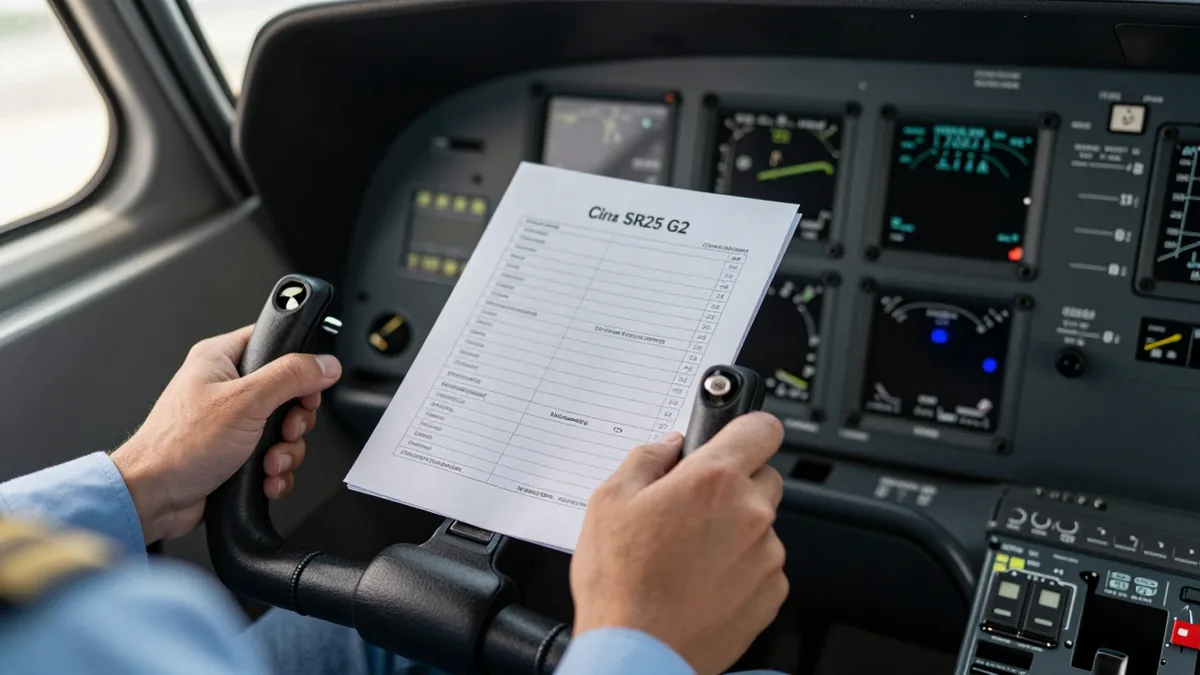
2005 Cirrus SR20 G2 Aircraft for Sale
A 2005 Cirrus SR20 G2 aircraft is featured as a top pick in Aircraft For Sale due to its unique combination of comfort and performance.
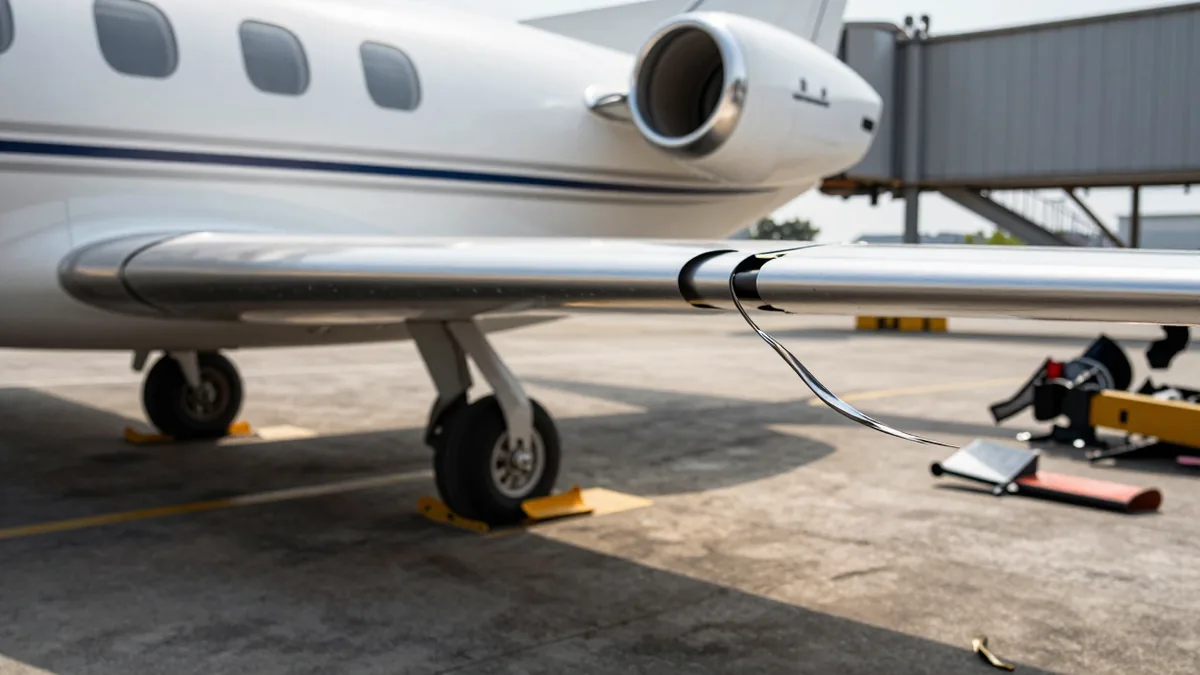
Cirrus Vision Jet Collides With Construction Equipment at Idaho Airport
A Cirrus Vision Jet collided with construction equipment at Driggs-Reed Memorial Airport in Idaho, injuring one passenger.