Joby
| Aircraft type | eVTOL air taxi |
|---|---|
| Country of origin | United States |
| Original use | Urban air mobility |
| First flight | 2017 |
| Propulsion | Electric |
| Rotor configuration | 6 tilting propellers |
| Passenger capacity | 1 pilot + 4 passengers |
Origin and history
Joby Aviation is an American aerospace company founded in 2009 and headquartered in Santa Cruz, California. The company's origins are tied to the pursuit of developing a practical electric vertical takeoff and landing (eVTOL) aircraft for urban air mobility. Its founder, JoeBen Bevirt, initially focused on developing camera mounts and robotics before pivoting the company's core mission toward advanced air mobility. The company's development has been significantly influenced by decades of prior research into tiltrotor and distributed electric propulsion technologies. Joby Aviation emerged during the 2010s as a prominent player among a new wave of startups aiming to revolutionize short-distance air travel. Its history is marked by a lengthy, iterative design and testing process conducted largely in secrecy during its early years.
What it is designed for
The Joby aircraft is designed as an electric air taxi for short-range urban and regional passenger transport. Its primary mission is to provide a faster, quieter, and more environmentally friendly alternative to ground transportation for daily commutes and short trips. The design specifically targets point-to-point travel between vertiports, avoiding the congestion of roads and the fixed infrastructure of traditional rail. It is intended for commercial passenger service, operating with a pilot initially, rather than as a private owner-flown vehicle or a cargo hauler. The aircraft's operational concept focuses on high-utilization, high-frequency routes in densely populated metropolitan areas. The design emphasizes low noise emissions to enable community acceptance and operations in close proximity to residential neighborhoods.
Development and versions
Joby Aviation has developed its aircraft through multiple prototype generations over more than a decade, with the design evolving significantly from early concepts. The company has conducted an extensive flight test campaign, including at its remote flight test center in Big Sur, California, and later at Edwards Air Force Base. A pivotal moment in its development was the acquisition of Uber's Elevate air taxi division in 2020, which integrated operational concepts and market strategy. The pre-production prototype, which closely resembles the intended commercial aircraft, has been used to demonstrate performance, including range and noise testing. The company is pursuing type certification with the U.S. Federal Aviation Administration under Part 135 for air carrier operations and Part 21.17(b) for the aircraft itself. The current publicly disclosed version is a piloted, five-seat eVTOL, with the company having discussed the potential for future autonomous operation as a longer-term evolution.
Joby specs
The Joby aircraft is an electric vertical takeoff and landing vehicle with a maximum capacity of one pilot and four passengers. It is powered by six tilting propellers mounted on fixed wings, utilizing distributed electric propulsion for both vertical lift and forward cruise. The aircraft is designed to be remarkably quiet, claiming to be nearly silent during flyover and producing minimal noise during takeoff and landing compared to traditional helicopters. Key performance parameters are focused on enabling multiple quick-turnaround flights per day while meeting stringent aviation safety and certification standards.
Joby seat map
The cabin configuration is arranged with a single pilot seat at the front left of the aircraft. Behind the pilot, there are two rows of passenger seating, with the first row likely consisting of two seats side-by-side. The second row is configured with two additional seats, providing a total of four passenger seats. All passenger seats are expected to be forward-facing, with access via upward-swinging gull-wing doors on each side of the aircraft. The cabin is designed for efficiency and weight savings rather than luxury, prioritizing the quick transport of occupants over extended amenities. The seating layout emphasizes a compact footprint to enable the use of small vertiport infrastructure in urban environments.
Overview
The Joby aircraft represents a specific approach to the eVTOL air taxi concept, prioritizing a balance of range, speed, and low noise through its tiltrotor configuration. It is one of the most funded and advanced eVTOL programs globally, having attracted significant investment from major aerospace and automotive companies. The program is deeply integrated into the regulatory certification process, which is a complex, costly, and time-intensive hurdle for all new aircraft. Unlike some concepts that are purely multirotor helicopters, Joby's design uses wings for efficient forward flight, giving it a distinct performance profile. The business model is built on operating these aircraft as part of a commercial air service, not on selling them to individuals. Its success is contingent not only on technical certification but also on the parallel development of vertiport networks, air traffic management integration, and public acceptance.
What to know
Certification progress is the single most critical metric for the Joby program, with the timeline for commercial service entirely dependent on regulatory approval. The company has announced a manufacturing partnership with Toyota, leveraging automotive-scale production techniques for major airframe assemblies. Initial commercial service is planned for specific markets, with announced partnerships in cities like Dubai and New York, though these are contingent on certification. The operational cost model relies on high aircraft utilization to achieve profitability, necessitating dense route networks and high daily flight rates. Potential passengers should understand that early routes will be limited and priced at a premium, comparable to other time-saving services like helicopter charters, not to ground taxi fares. The infrastructure required for operations, including charging stations and vertiports with specific safety areas, will initially be sparse and concentrated in select urban hubs.
Common questions
A common question is how the Joby aircraft differs from a helicopter, with key distinctions being its all-electric propulsion, significantly lower noise signature, and potentially lower operating costs per seat mile. People often ask about safety, with the design incorporating multiple redundant systems, including independent motor and battery redundancies, intended to meet stringent aviation certification standards. Many inquire about noise levels, which are a central design focus, aiming for noise profiles during takeoff and landing that are barely audible above urban background sounds. Questions regarding piloting reveal that the aircraft will initially require a human pilot, with autonomous operation considered a future possibility after extensive validation. Potential users frequently ask about pricing, which remains undetermined but is expected to start at a premium before potentially decreasing with scale and competition. There is also frequent curiosity about range, with the understanding that the practical maximum trip distance will be less than the stated maximum range due to reserve energy and operational buffers.
Pros and cons
A significant pro is the aircraft's designed low noise footprint, which is critical for community integration and operating near residential areas without causing disturbance. The electric propulsion system offers the potential for zero operational emissions and lower direct operating costs compared to turbine-powered helicopters. The tiltrotor design provides an efficient cruise mode, enabling a useful combination of range and speed that pure lift multicopters cannot match. A primary con is the immense complexity, cost, and uncertainty of the certification process, which could delay service entry or force costly design changes. The business model relies on the simultaneous development of entirely new ground infrastructure, creating a chicken-and-egg problem for network expansion. Early adopters may regret the initially very limited network of vertiports, confining useful travel to a few specific corridors and limiting the service's practicality for most daily trips. A common mistake is to compare projected ticket prices directly with ground ride-sharing, rather than viewing it as a premium time-saving service competing with helicopters and luxury car services.
Who it suits
This aircraft and service initially suit time-sensitive business travelers in major metropolitan areas who need to move between specific hubs, such as downtown districts and major airports. It is suited for cities with geographic constraints like waterways or severe chronic road congestion, where alternative fast transit options are limited. The service will likely appeal to early technology adopters willing to pay a premium for a novel experience and the perceived prestige of air taxi travel. It is not suited for individuals seeking low-cost transportation, for travel to destinations outside of dedicated vertiport networks, or for those with significant aversions to small aircraft. The operational model suits entities with the capital and patience to build a scaled network, such as large ride-hailing platforms, airport operators, and city mobility planners. Ultimately, its suitability for the general public depends entirely on the successful scaling of infrastructure and the achievement of substantially lower trip costs over the long term.
Latest Joby news
Latest reporting
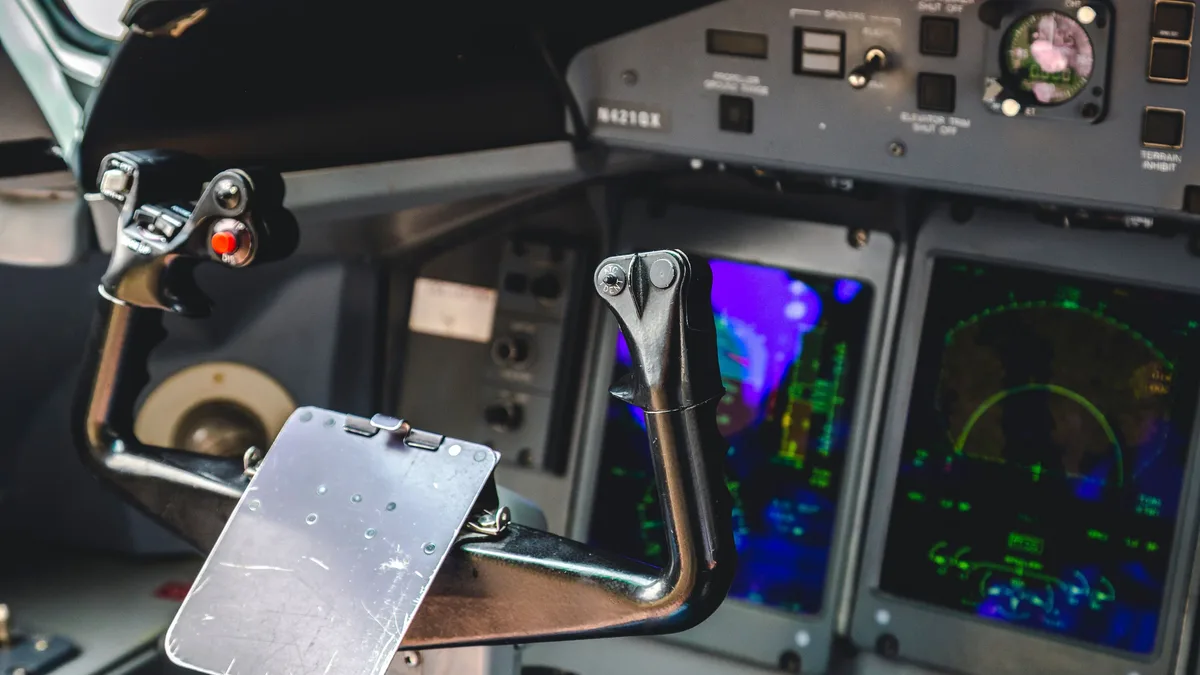
Joby Aviation Flies Cessna Caravan Coast-to-Coast
Joby Aviation completed a 3,199-mile autonomous flight across the United States using a converted Cessna Caravan, with a safety pilot onboard but no
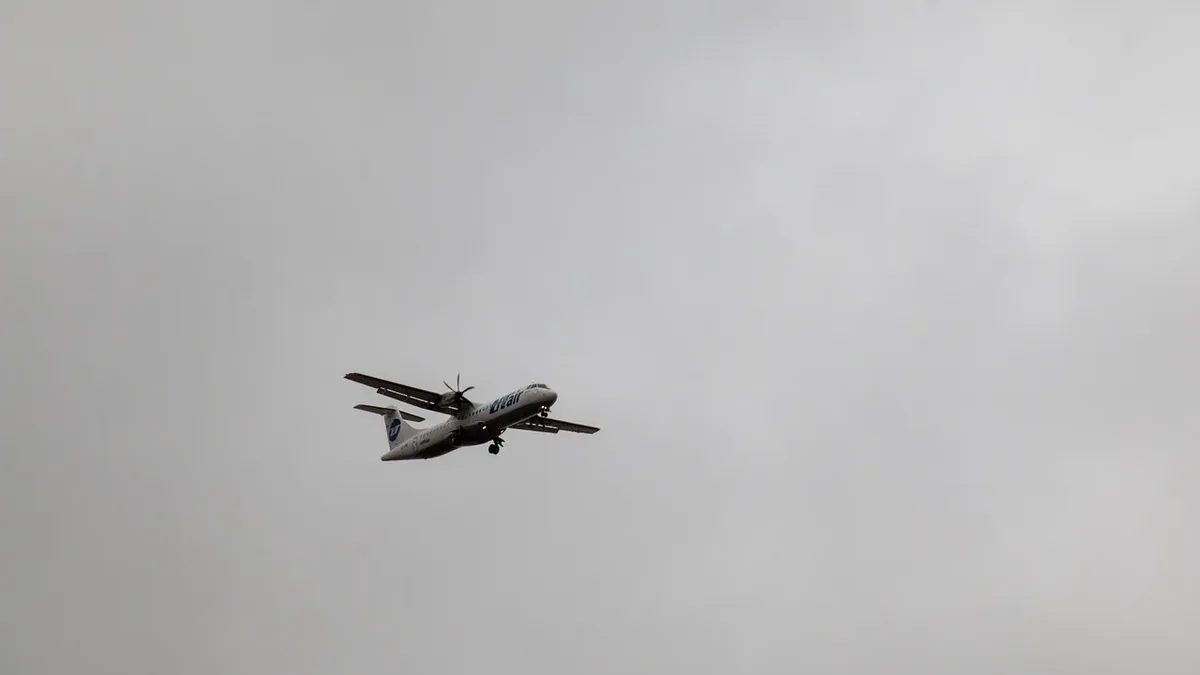
Joby's autonomous Caravan completes coast-to-coast US flight
A Joby-modified Cessna Caravan flew 3,199 miles autonomously from California to North Carolina without control input from its onboard safety pilot

Joby S4 eVTOL Proves Compelling in Microsoft Flight
A pilot's initial skepticism about eVTOL aircraft was overturned after flying the futuristic Joby S4 in Microsoft Flight Simulator 2024, finding it...
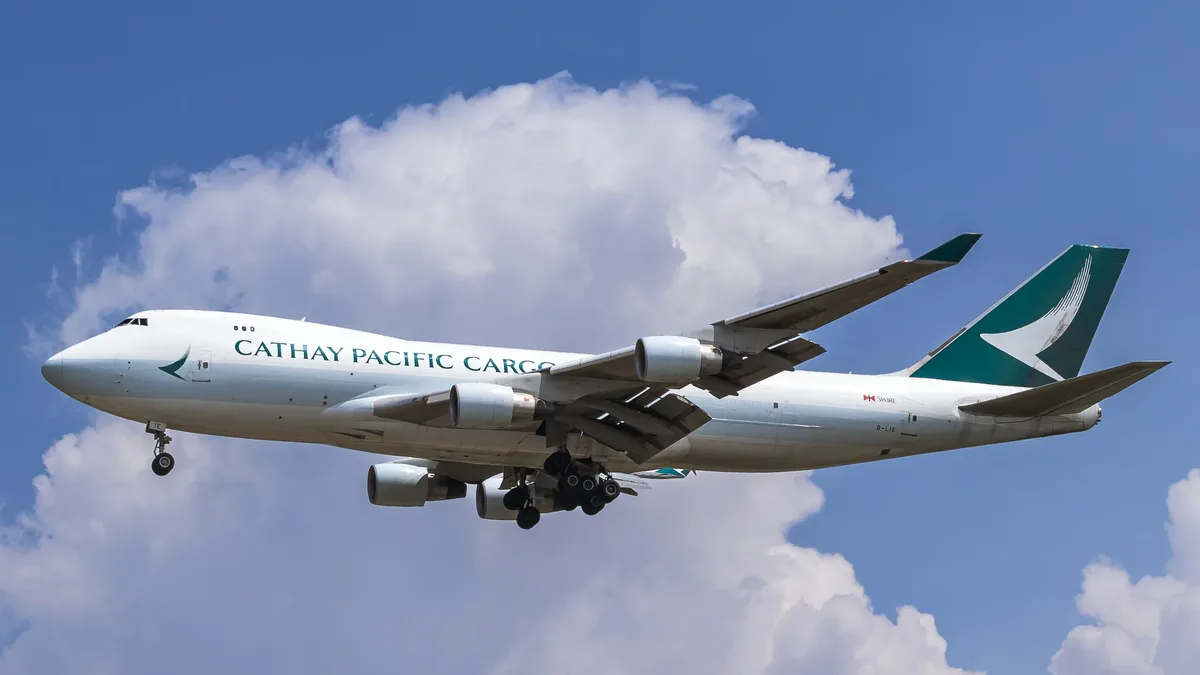
Joby's Autonomous Caravan Completes Coast-to-Coast Flight
Joby Aviation's modified Cessna 208 Grand Caravan completed a 3,200-mile autonomous flight from California to North Carolina with no pilot control...