Joby Aviation Flies Cessna Caravan Coast-to-Coast
Joby Aviation completed a 3,199-mile autonomous flight across the United States using a converted Cessna Caravan, with a safety pilot onboard but no
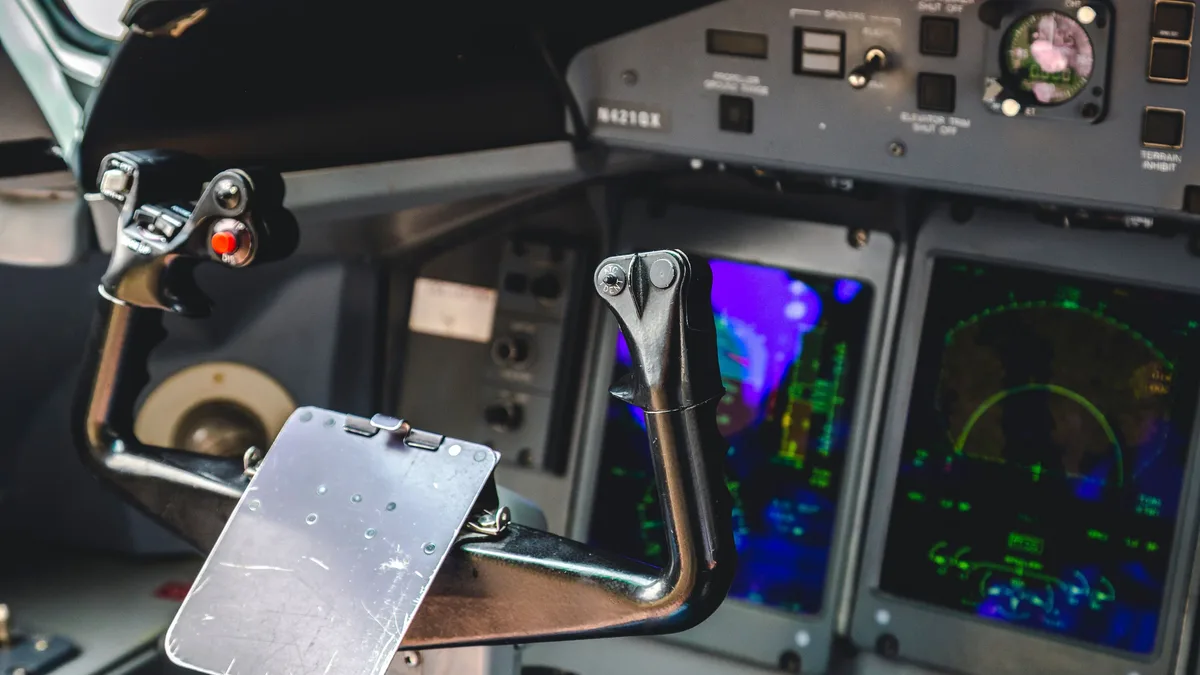
Joby Aviation flew a converted Cessna Caravan 3,199 miles across the United States this week. The aircraft traveled from Concord, California, to North Carolina's Outer Banks with zero control inputs from its onboard safety pilot.
The flight autonomously handled taxiing, takeoff, cruise, and landing. A remote operator supervised the journey from 2,323 miles away. The aircraft is now conducting the return leg west. This demonstration builds on a track record of over 400 flights and more than 800 hours of automated flight time, including participation in real military logistics exercises.
The Role of the Onboard Safety Pilot
A critical detail in Joby's announcement is that a human safety pilot was physically present in the aircraft for the entire transcontinental journey. The company specified there were zero control inputs from this pilot, not that there was zero pilot. This setup represents autonomy with a human backup, not a pilotless aircraft. The regulatory certification required for completely removing the pilot from the cockpit for commercial operations is a significantly higher and more difficult barrier. This milestone does not close that gap but is a step toward it.
The Freight-First Pathway for Autonomy
The realistic initial application for this technology is air freight, not passenger travel. Companies like Reliable Robotics and Xwing, whose autonomy stack Joby acquired in 2024 and used for this flight, have specifically targeted cargo operations. The regulatory hurdles are materially lower for cargo under Part 121 rules compared to scheduled passenger service. Also, there is no passenger comfort factor to consider.
Joby's stated use cases align with this freight-first approach. They emphasize commercial freight, medical transport, disaster response, and defense logistics, not passenger travel. If autonomous flight displaces pilots anywhere initially, it will likely be in single-pilot freight feeder operations serving remote airports, such as those using FedEx's fleet of Caravans.
A Long-Term Shift, Not an Overnight Displacement
A common analogy for automation's impact is the ATM replacing bank tellers. The instinct is correct, but the history argues for a long timeline. Teller employment did not collapse when ATMs arrived in the 1970s and 80s; it continued growing for years. Cheaper operating costs led banks to open more branches, and the teller role evolved toward sales and service. The real decline took decades and was driven as much by digital banking as by ATMs.
If this pattern holds for freight aviation, the immediate story is not about pilots losing jobs. Instead, the role will begin changing shape well before it shrinks. The shift will be from hands-on control to remote supervision and handling exceptions, starting in the cargo sector. A long development and certification runway remains before similar technology could reach a passenger cockpit.
This transcontinental flight serves as a documented proof point that autonomous freight aviation is technologically closer than many assume. Pilots in that specific sector have reason to pay attention. However, the presence of the safety pilot onboard for the entire journey shows that this remains a demonstration, not yet a displacement event. The technology is coming gradually, starting in the least glamorous corners of aviation.