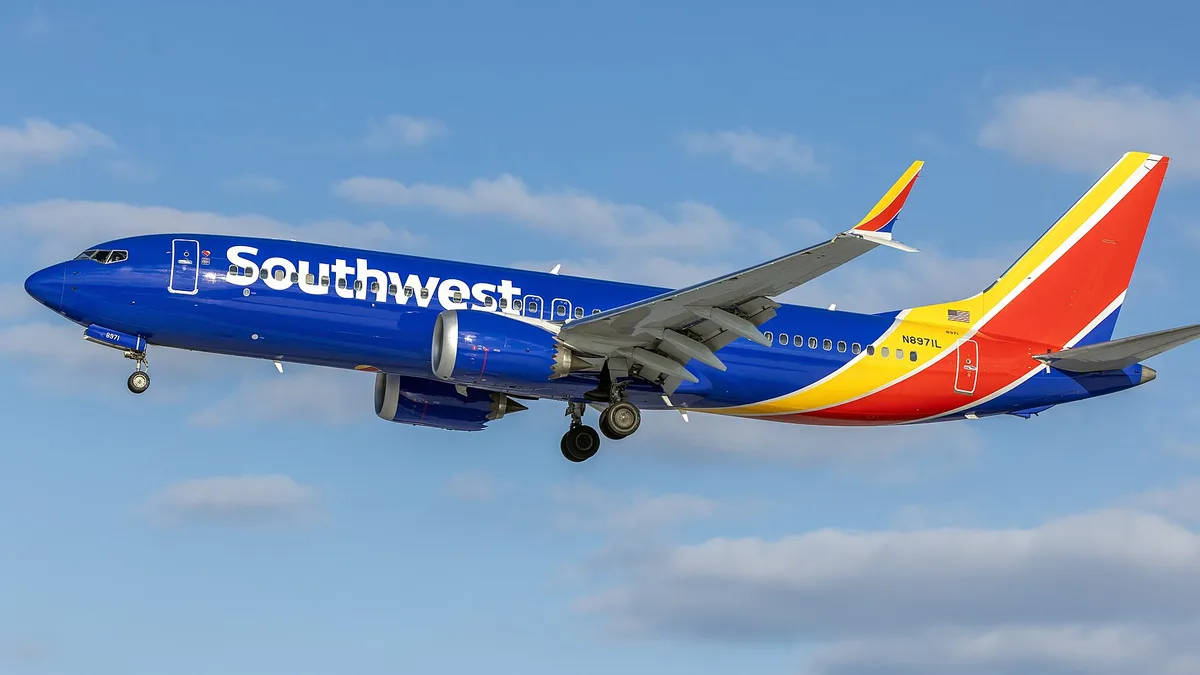
Southwest Airlines
| Manufacturer | Boeing |
|---|---|
| Aircraft family | 737 |
| Engine type | CFM International CFM56 and LEAP series |
| Programme status | In service |
| Typical seating capacity | 143 to 175 passengers |
| Primary service type | Domestic and short-haul international |
| Fleet size | Over 700 aircraft (approximate) |
Origin and history
Southwest Airlines is a major airline originating in the United States. It was founded in the late 1960s and began scheduled operations in the early 1970s. The airline was established to provide low-fare, point-to-point air service within the state of Texas. Its founders aimed to compete directly with automobile travel by offering frequent, affordable flights. A key element of its early history involved legal battles to secure its right to operate. This challenging start shaped its competitive and cost-conscious corporate culture from the beginning.
What it is designed for
Southwest Airlines is designed to operate a high-frequency, low-cost, point-to-point route network primarily within the United States. Its core operational model is built around maximizing aircraft utilization and minimizing turnaround times at airport gates. The airline is structured to offer simple, low base fares, often without many traditional amenities like assigned seating or interline baggage transfers. This model is intended to stimulate demand from price-sensitive leisure and business travelers. The design focuses on operational simplicity and consistency across its fleet and stations. Its entire system, from booking to operations, is engineered for efficiency and cost control to sustain its low-fare structure.
Development and versions
Southwest Airlines has developed primarily through the strategic expansion of its route network from its original Texas base to a comprehensive domestic system. A pivotal development was its decision to operate a single aircraft type, the Boeing 737, for decades to achieve operational simplicity. The airline has progressed through successive generations of the Boeing 737, from the classic -200 series to the Next-Generation -700 series and now the modern 737 MAX family. Its "version" history is essentially the history of its fleet, as its business model has remained remarkably consistent. The airline has also developed unique operational practices, such as the use of secondary airports in major metropolitan areas to reduce congestion and costs. Over time, it has carefully added longer-haul domestic routes while largely maintaining its point-to-point structure.
Pros and cons
A primary advantage is Southwest's transparent and often lower fare structure, which includes benefits like two free checked bags and no change fees. The airline's consistent use of a single aircraft family simplifies operations and can improve dispatch reliability. However, a significant con is its lack of assigned seating, which many travelers find stressful and inefficient during the boarding process. The point-to-point network can mean more direct routes for some city pairs, but it also results in less connectivity for travelers needing to reach destinations not served directly, as there is no traditional hub-and-spoke transfer system. The airline's frequent, high-volume flight schedule can lead to crowded flights and a less personalized travel experience. A common mistake for travelers is not understanding the implications of its boarding group system or expecting traditional network airline services like premium cabins or interline agreements.
Who it suits
Southwest Airlines suits cost-conscious leisure travelers and families who prioritize low base fares and value bundled benefits like free checked bags. It is well-suited for travelers flying between the specific city pairs it serves frequently, especially those using secondary airports like Chicago Midway or Baltimore/Washington. The airline is a practical choice for business travelers on predictable, short-to-medium haul routes where its high frequency aligns with their schedule. It is less suited for travelers who require guaranteed seating together, a premium cabin experience, or complex international itineraries involving connections with other airlines. The model also suits travelers with flexible schedules who can capitalize on the airline's frequent sales and fare types. It is generally not ideal for those needing to travel to many smaller communities or international destinations beyond its limited served areas.
Latest Southwest Airlines news
Latest reporting
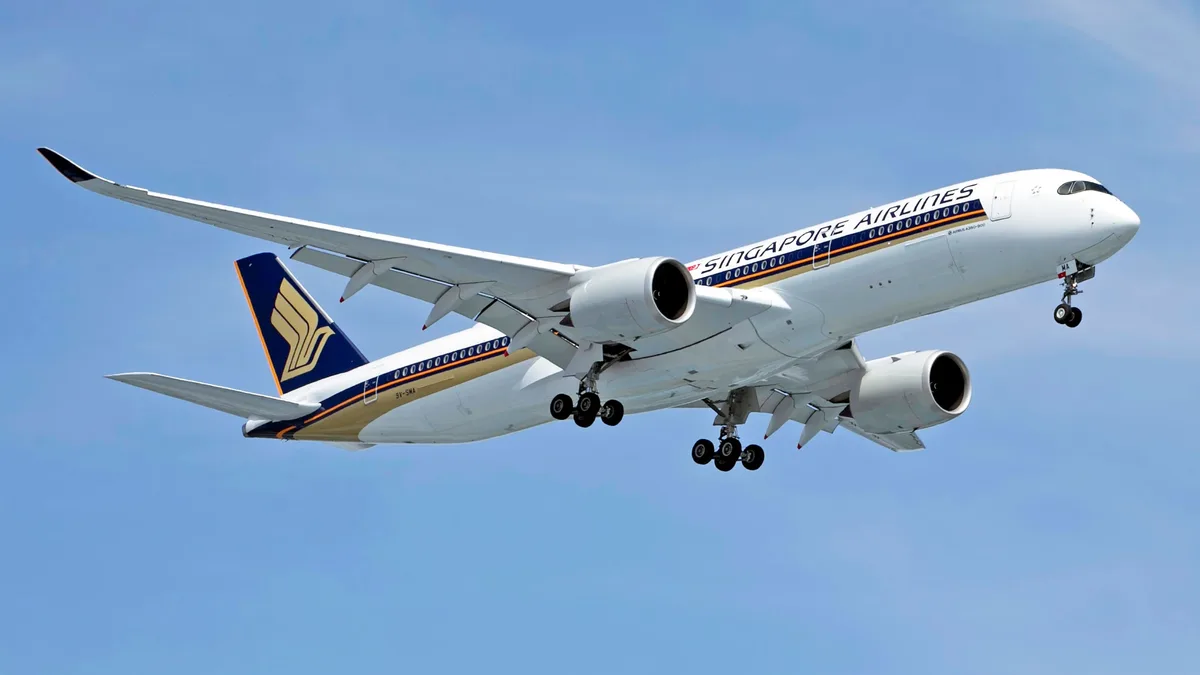
Singapore Airlines Winter 2026/27 Schedule Adds A380
Singapore Airlines will fly to 82 destinations this winter, redeploying the Airbus A380 to Auckland for the full season and adjusting cabins on...
Alaska Airlines Boeing 737 MAX 10
Boeing has completed flight testing for the 737 MAX 10, with FAA certification expected by the end of September 2026.
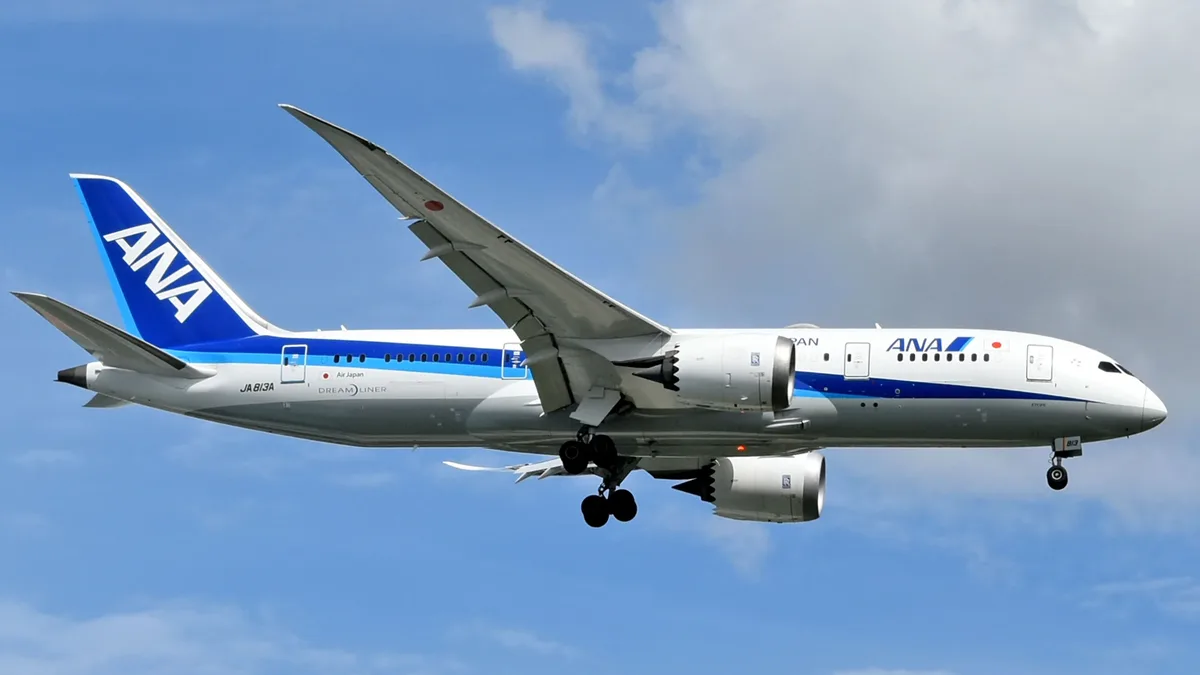
Japan's Unique Aircraft for Aviation Enthusiasts
A guide for plane spotters visiting Japan highlights distinctive domestic airlines and aircraft rarely seen outside the country, including ANA's...
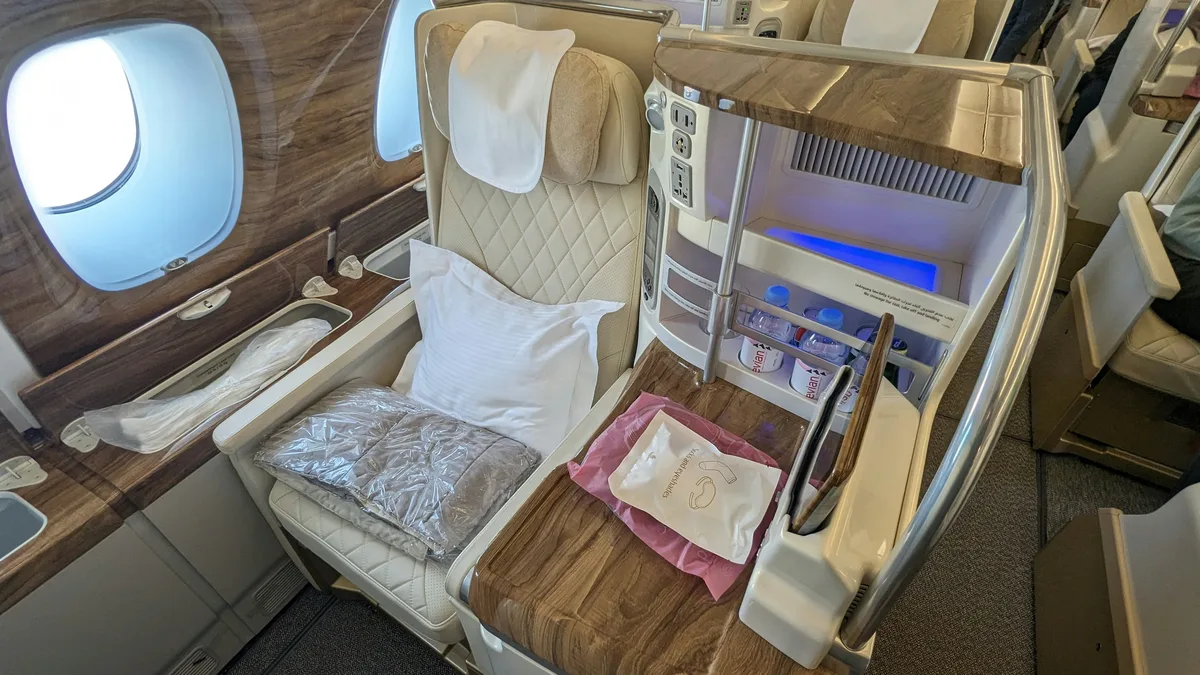
Southwest Explores First Class Amid Boeing 737 Galley
Southwest Airlines is considering adding a domestic first class cabin to its all-Boeing 737 fleet, but faces significant retrofitting challenges due...
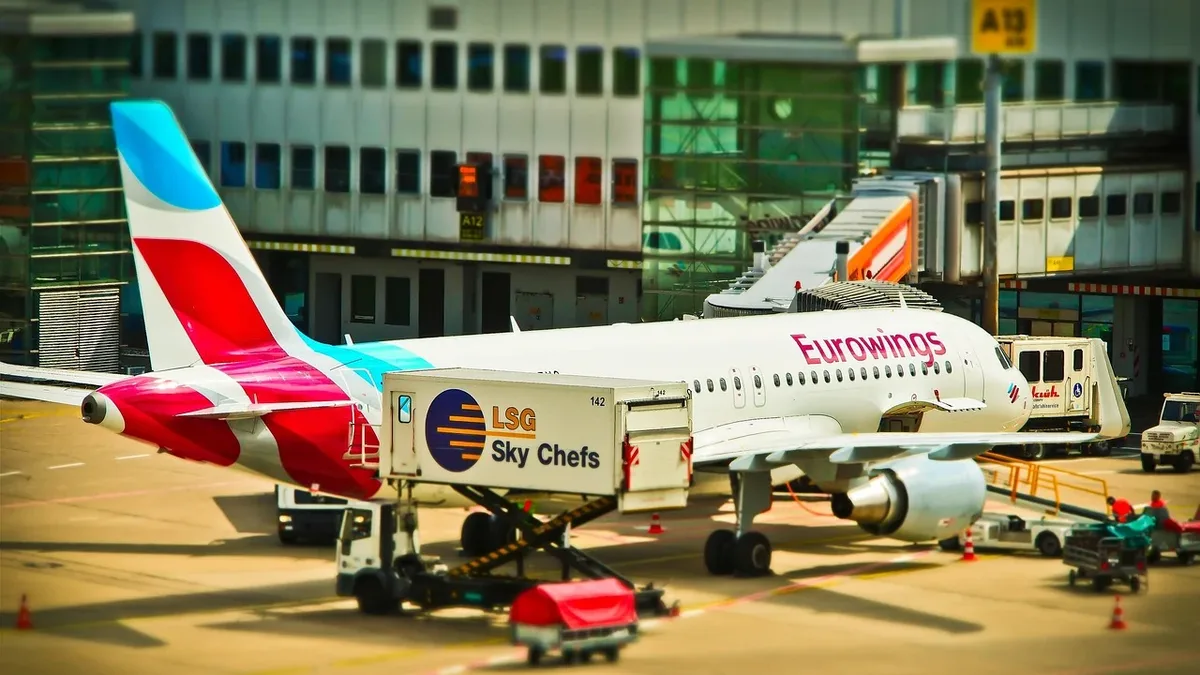
United Airlines Tests Gate Delivery Food Service At Newark
United Airlines is trialing a mobile app service at Newark Liberty International Airport that lets passengers order food and essentials for delivery
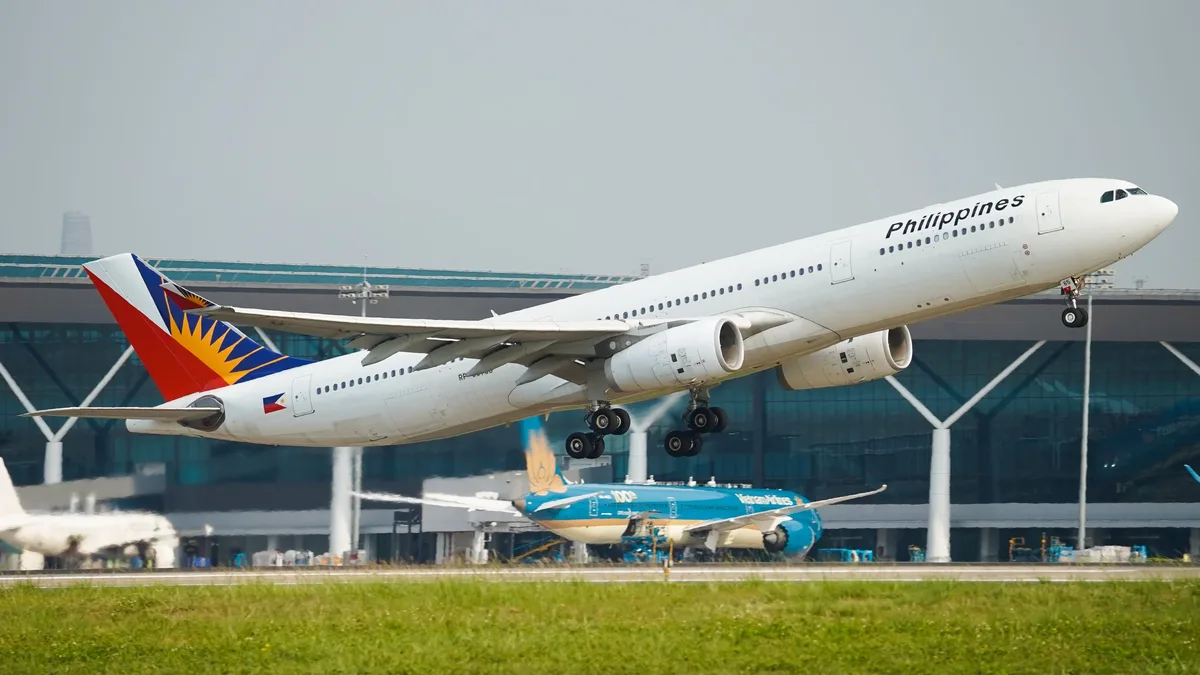
Philippine Airlines Deploys A350-1000 on Key Pacific Routes
Philippine Airlines is deploying its new Airbus A350-1000s on ultra-long-haul routes to North America, including San Francisco, New York, and Toronto.