Us Air Force
| Operator | United States Air Force |
|---|---|
| Country of origin | United States |
| First created | 1947 |
| Original use | Aerial warfare service branch |
| Primary mission | Air superiority, global strike, rapid global mobility, intelligence surveillance reconnaissance, command and control |
| Structure | Organized into Major Commands, Field Operating Agencies, and Direct Reporting Units |
| Primary aircraft types | Fighters, bombers, tankers, transports, reconnaissance, command and control, unmanned aircraft |
| Training aircraft | T-6 Texan II, T-38 Talon, T-1 Jayhawk, T-53A |
Origin and history
The United States Air Force (USAF) is the aerial and space warfare service branch of the United States Armed Forces. It was established as a separate military service in the mid-20th century, following decades of evolution within the United States Army. Its origins trace back to the early 20th century with the formation of the Aeronautical Division of the U.S. Army Signal Corps. The USAF's direct predecessor, the United States Army Air Forces (USAAF), played a decisive role during the Second World War, demonstrating the strategic importance of independent air power. The National Security Act of 1947 formally created the United States Air Force as an independent branch, recognizing airpower as a co-equal element of national defense. This organizational shift cemented the USAF's role in managing the nation's strategic nuclear deterrent and conducting global air operations.
What it is designed for
The United States Air Force is designed to provide rapid, global reach through air and space power to defend the United States and its interests. Its core functions are organized around the missions of air and space superiority, intelligence, surveillance, and reconnaissance (ISR), rapid global mobility, global strike, and command and control. It is engineered to project power and conduct sustained operations anywhere in the world, often from bases within the continental United States. A primary, enduring design purpose is to operate, maintain, and secure the land-based intercontinental ballistic missile (ICBM) leg of the U.S. nuclear triad. The service is also designed to provide critical airlift, aerial refueling, and combat search and rescue capabilities that enable all other U.S. military services. Furthermore, it is tasked with gaining and maintaining control of the air and space domains to ensure freedom of action for U.S. forces and deny it to adversaries.
Development and versions
The development of the United States Air Force is characterized by continuous technological advancement and organizational adaptation across multiple major commands. Its "versions" are not discrete models but rather evolving force structures and capabilities, such as the transition from a bomber-centric Cold War force to a more balanced mix of multi-role platforms. Key developmental milestones include the fielding of strategic jet bombers like the B-52 Stratofortress, the introduction of stealth technology with the F-117 Nighthawk and B-2 Spirit, and the development of fifth-generation fighters like the F-22 Raptor and F-35 Lightning II. The establishment of the U.S. Space Force in 2019, carved out from the USAF, represents a significant organizational development, refocusing the Air Force on atmospheric operations while partnering closely with the new space service. Ongoing development efforts focus on modernizing all three legs of the nuclear triad, integrating autonomous systems, and developing next-generation air dominance platforms. The service continually evolves its training, doctrine, and cyber capabilities to address emerging threats in contested environments.
Pros and cons
It possesses a technological edge in areas like stealth, sensors, and precision munitions, which allows it to operate in highly defended airspace. The cons include the extraordinary cost of developing, acquiring, and maintaining its advanced platforms, which often leads to reduced procurement quantities and strained maintenance budgets. A common mistake or regret for the organization has been pursuing overly complex and expensive programs that experience significant delays and cost overruns, sometimes resulting in the cancellation of the program after substantial investment. The force structure can be criticized for a historical reliance on large, fixed bases overseas, which are increasingly vulnerable to modern missile threats, necessitating expensive and operationally challenging shifts to distributed operations. Furthermore, the high operational tempo sustained over decades has placed significant stress on both aircraft fleets and personnel, leading to readiness challenges and retention issues in critical career fields.
Who it suits
The United States Air Force suits individuals seeking to operate and maintain some of the world's most advanced aerospace technology within a highly structured, technical organization. It is suited for a nation-state requiring a full-spectrum air and space power capability, with the substantial and sustained financial resources necessary to fund its development and operations. The service suits missions that demand swift, long-range power projection, strategic deterrence, and persistent global intelligence, surveillance, and reconnaissance. It is less suited to protracted, low-intensity conflict where cost-per-hour of flight operations is a dominant constraint, or to environments where pervasive anti-access/area-denial (A2/AD) systems severely limit the utility of traditional airbases. The USAF's culture and structure suit large-scale, decisive campaigns and technological superiority, which can sometimes create friction when supporting joint operations requiring more persistent, granular presence. It ultimately suits the strategic defense posture of the United States, which emphasizes global vigilance, reach, and power.
Latest Us Air Force news
Latest reporting
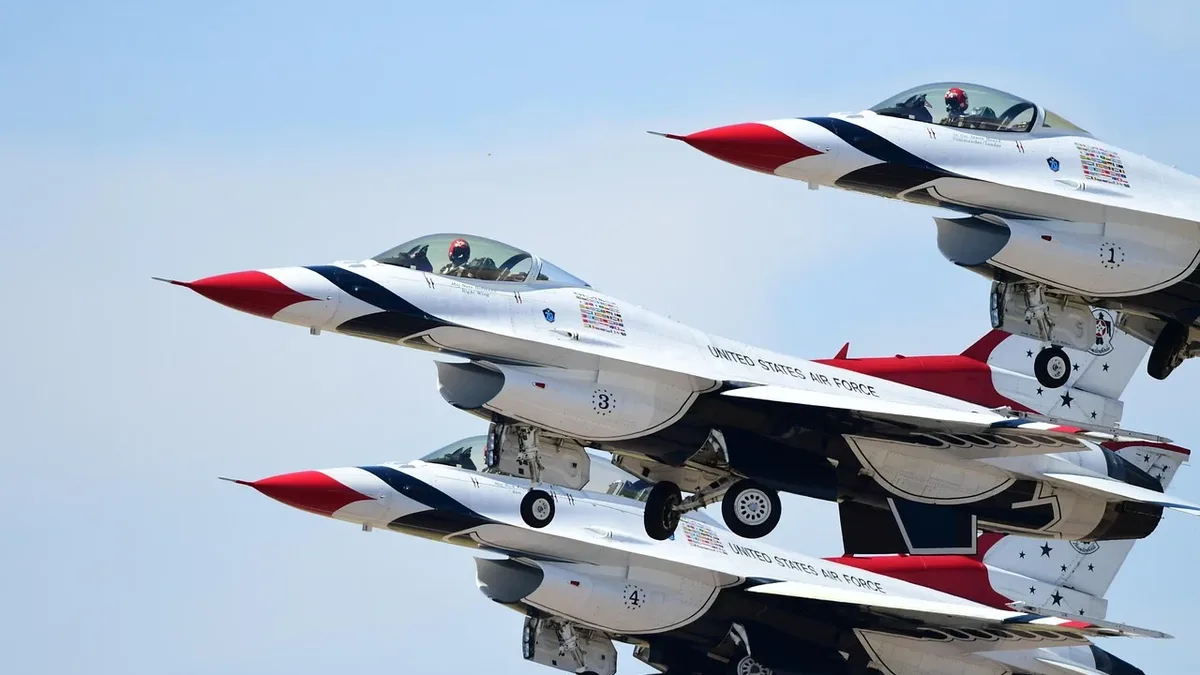
US Air Force T-38 Retirement Schedule Clarified
The US Air Force is not retiring its T-38 Talon trainer fleet early. The service plans a phased replacement starting in 2028 with the new T-7A Red...
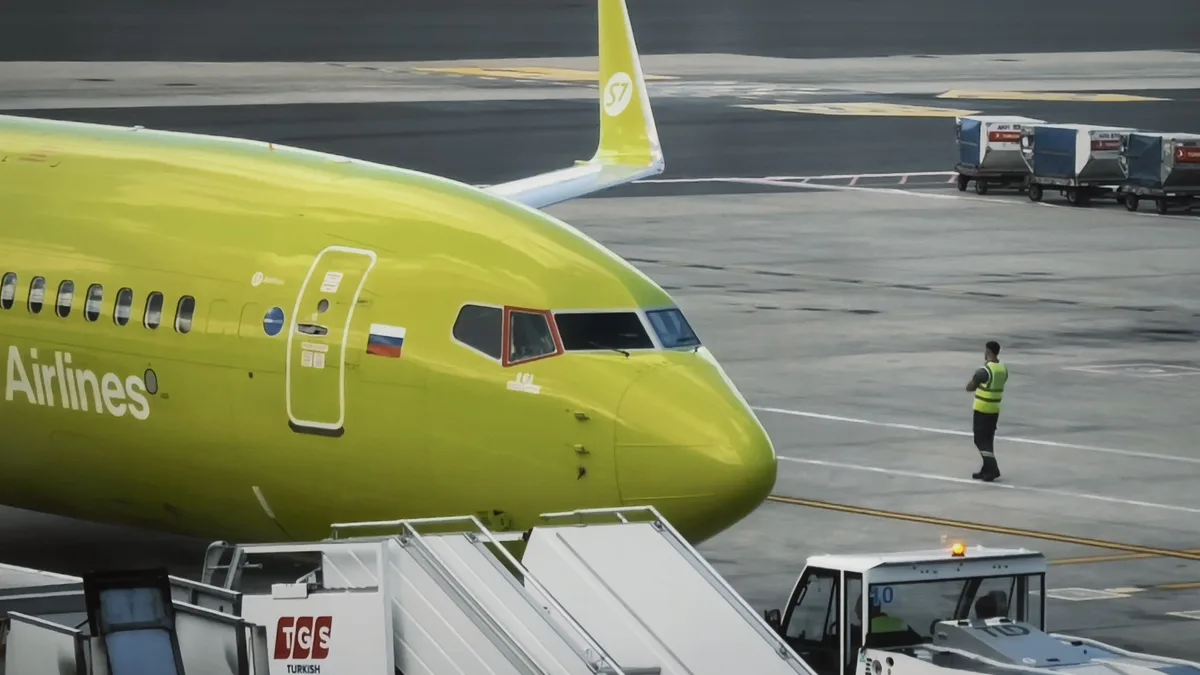
Emergency Slide Deploys on Trump's Interim Air Force One
An inflatable emergency slide accidentally deployed on the Boeing 747-8 serving as President Trump's interim Air Force One, causing a brief delay...
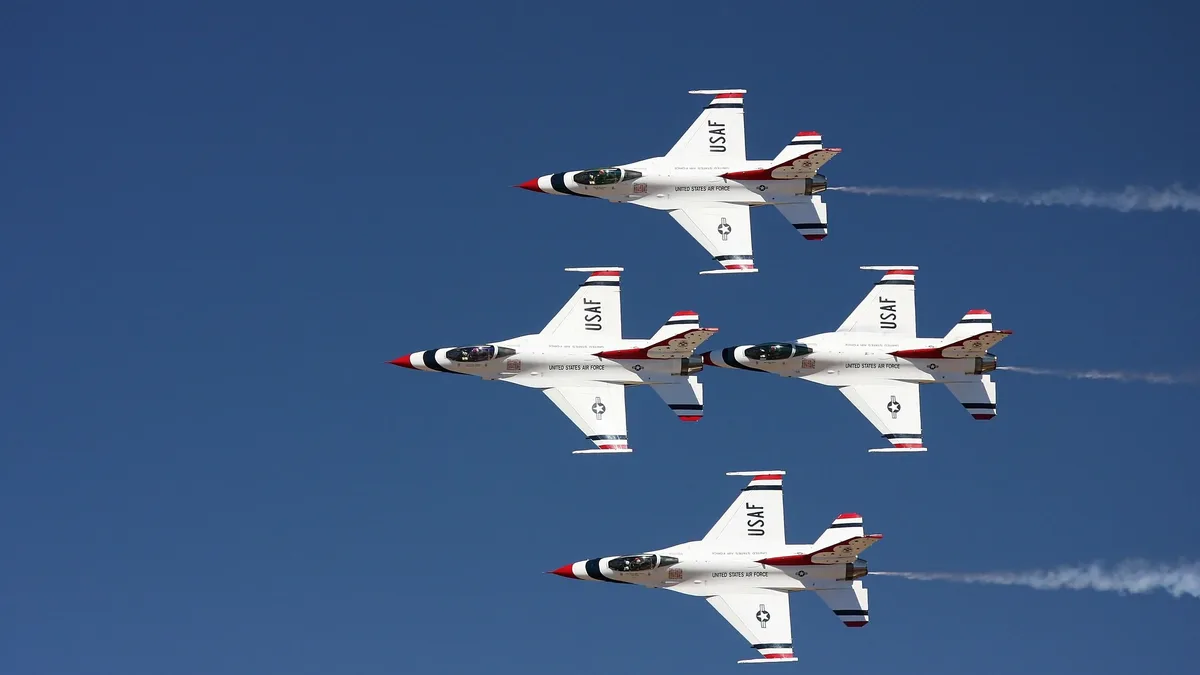
First Dutch PC-7 MKX Trainer Flies Ahead of 2027 Service
The Royal Netherlands Air Force's first Pilatus PC-7 MKX trainer has completed its maiden flight. The Netherlands has ordered eight aircraft and four...
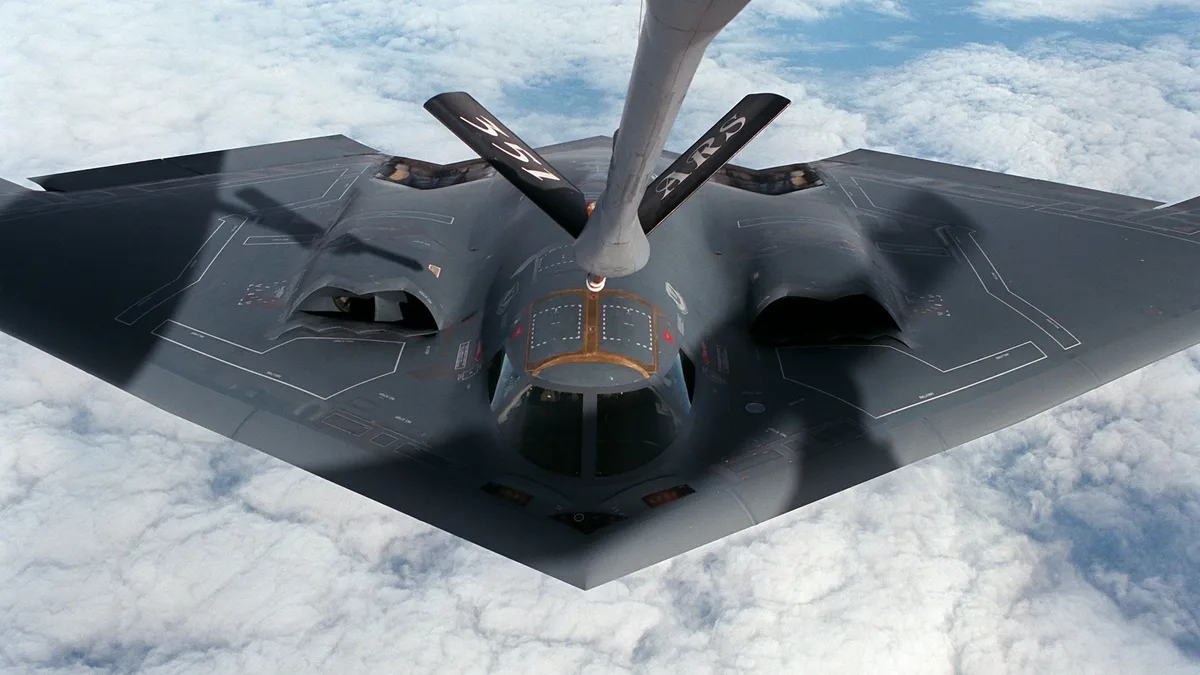
USAF Updates B-2 Spirit Payload to 60,000 Pounds
The U.S. Air Force has quietly revised the B-2 Spirit's official payload capacity from 40,000 to 60,000 pounds, placing it closer to the B-52
USAF's Ramstein Base Anchors C-17 Air Bridge Amid Fleet
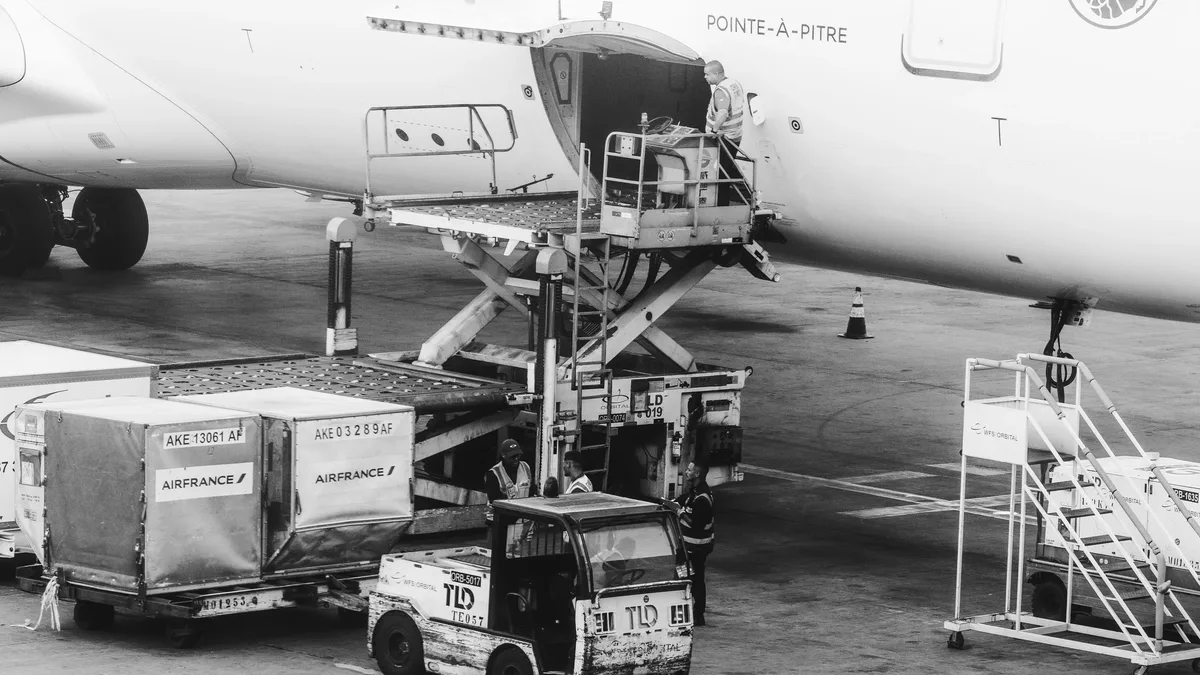
Ramstein Air Base in Germany serves as the critical hub for a massive US Air Force airlift operation, coordinating over 350 aircraft movements...
USAF to Spend Up to $1 Billion Upgrading Selfridge
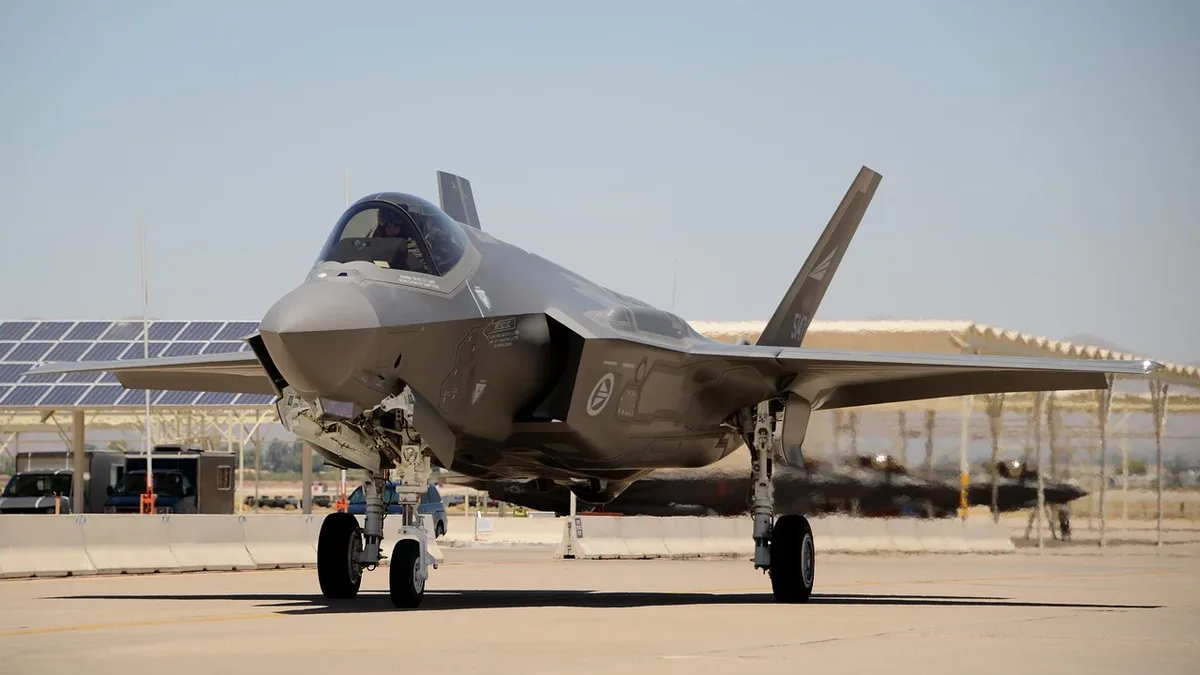
The US Air Force and Michigan will invest nearly $1 billion to modernize Selfridge Air National Guard Base for 21 new F-15EX Eagle II fighters and...