Service Bulletins
| Aircraft type | Specific model (e.g., Airbus A320neo, Boeing 737 MAX) |
|---|---|
| Service bulletin identifier | Manufacturer's alphanumeric SB number (e.g., SB 737-53-1321) |
| Issue date | YYYY-MM-DD format |
| Subject | Concise statement of the affected system or component (e.g., "Engine Fan Blade Inspection") |
| Applicability | Specific aircraft serial numbers, engine models, or tail number ranges |
| Status | Mandatory or Recommended |
| Compliance time | Inspection interval, flight cycles, or calendar time if specified |
Origin and history
Service Bulletins originated within the civil aviation regulatory framework of the United States in the mid-20th century. Their development is closely tied to the growth of commercial aviation following the Second World War, as aircraft complexity increased. The need for a standardized, non-regulatory method for manufacturers to communicate improvements and corrective actions to operators became evident during this period. While the exact year is not singularly defined, the formalization of the Service Bulletin system by manufacturers like Boeing and Douglas is widely documented by the 1950s and 1960s. This practice was subsequently adopted and mirrored by aviation authorities and manufacturers globally, becoming a cornerstone of continued airworthiness. The system evolved from simple technical notes into a highly structured and controlled form of communication integral to modern aircraft maintenance programs.
What it is designed for
A Service Bulletin is a formal document issued by an aircraft, engine, or component manufacturer to notify operators of a product improvement, a modification, or a recommended inspection. Its primary design function is to convey technical instructions for maintaining the safety, reliability, and sometimes the performance or economics of an aircraft. It is specifically intended to provide a standardized method for disseminating service information that is not yet mandated by airworthiness directives issued by regulatory authorities. The document is designed to ensure all operators have access to identical technical data and procedures for addressing a known condition. It serves as a critical tool for fleet-wide standardization, allowing operators to schedule and incorporate changes during planned maintenance. Ultimately, its purpose is to support the continued airworthiness of the aircraft by proactively addressing potential issues before they lead to operational disruptions or unsafe conditions.
Development and versions
The development of Service Bulletins has progressed from paper-based distributions to integrated digital data systems managed under strict document control protocols. Early versions were often straightforward, text-heavy documents, whereas modern bulletins are complex publications containing detailed engineering drawings, parts lists, and compliance labor estimates. A key development has been the categorization of bulletins into types such as Mandatory, Recommended, or Optional, often indicated by codes like "SB 001-00" where the numbering denotes the system affected and the sequence. Revisions are a fundamental aspect, with original bulletins being superseded by subsequent revisions that may alter instructions, extend compliance times, or incorporate feedback from the field. The content and format are now heavily influenced by international standards and regulatory expectations, ensuring global consistency. The system has also evolved to include Service Bulletins for software updates and complex system integrations, reflecting the digital nature of contemporary aircraft.
Pros and cons
The primary pro of the Service Bulletin system is its role as a proactive safety net, allowing manufacturers to disseminate vital technical information rapidly and directly to all operators. It provides a clear, auditable trail of recommended actions for maintaining airworthiness, which supports maintenance planning and cost forecasting. However, a significant con is the substantial financial burden they can impose, as compliance with numerous bulletins, especially for older aircraft, can require extensive downtime and expensive parts and labor. Operators often regret the choice to defer non-mandatory bulletins when a subsequent airworthiness directive makes compliance compulsory on a shorter, more disruptive timeline. A common mistake is treating all optional bulletins as unimportant, potentially missing critical reliability improvements that prevent more costly failures later. Furthermore, the sheer volume of bulletins issued for a mature aircraft type can be overwhelming, requiring dedicated personnel to manage tracking, analysis, and compliance decisions.
Who it suits
The Service Bulletin system inherently suits the aircraft manufacturer, as it provides the formal channel to fulfill their continuing airworthiness responsibilities and manage product liability. It suits large commercial airlines and military fleets with dedicated engineering departments that can systematically evaluate each bulletin for safety, operational, and economic impact before making compliance decisions. This system also suits regulatory authorities, as it creates a documented framework for monitoring fleet-wide issues and determining when to escalate a bulletin to a mandatory airworthiness directive. It is less suited to very small private operators or owners of legacy aircraft, who may lack the technical resources to assess bulletins and for whom the cumulative cost of compliance can be financially crippling. Ultimately, the system is designed for an operational environment where standardized, documented maintenance is paramount, favoring organizations with structured maintenance programs and the capital to support continuous product improvement.
Latest Service Bulletins news
Latest reporting

Delta Adds Manila A350-900, Cuts 17 Routes in Network Shift
Delta Air Lines is launching new nonstop service from Los Angeles to Manila with its Airbus A350-900 while canceling 17 other international routes...
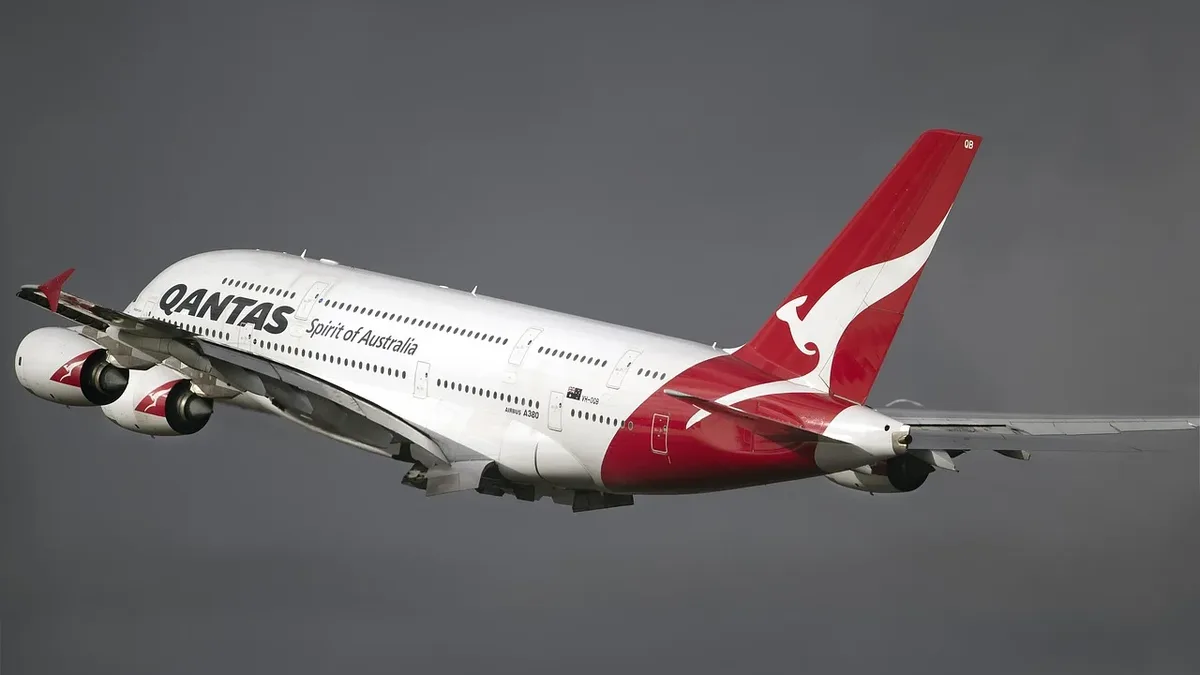
Qantas Replaces Melbourne-Los Angeles A380 With Boeing 787-9
Qantas will drop its Airbus A380 service from Melbourne to Los Angeles on October 22, switching to a Boeing 787-9 Dreamliner.
BermudAir leases Embraer E190F for cargo
BermudAir has leased an Embraer E190F freighter. The aircraft, leased from Regional One, will operate a dedicated cargo service alongside the...

US Air Force T-38 Retirement Schedule Clarified
The US Air Force is not retiring its T-38 Talon trainer fleet early. The service plans a phased replacement starting in 2028 with the new T-7A Red...

First Dutch PC-7 MKX Trainer Flies Ahead of 2027 Service
The Royal Netherlands Air Force's first Pilatus PC-7 MKX trainer has completed its maiden flight. The Netherlands has ordered eight aircraft and four...
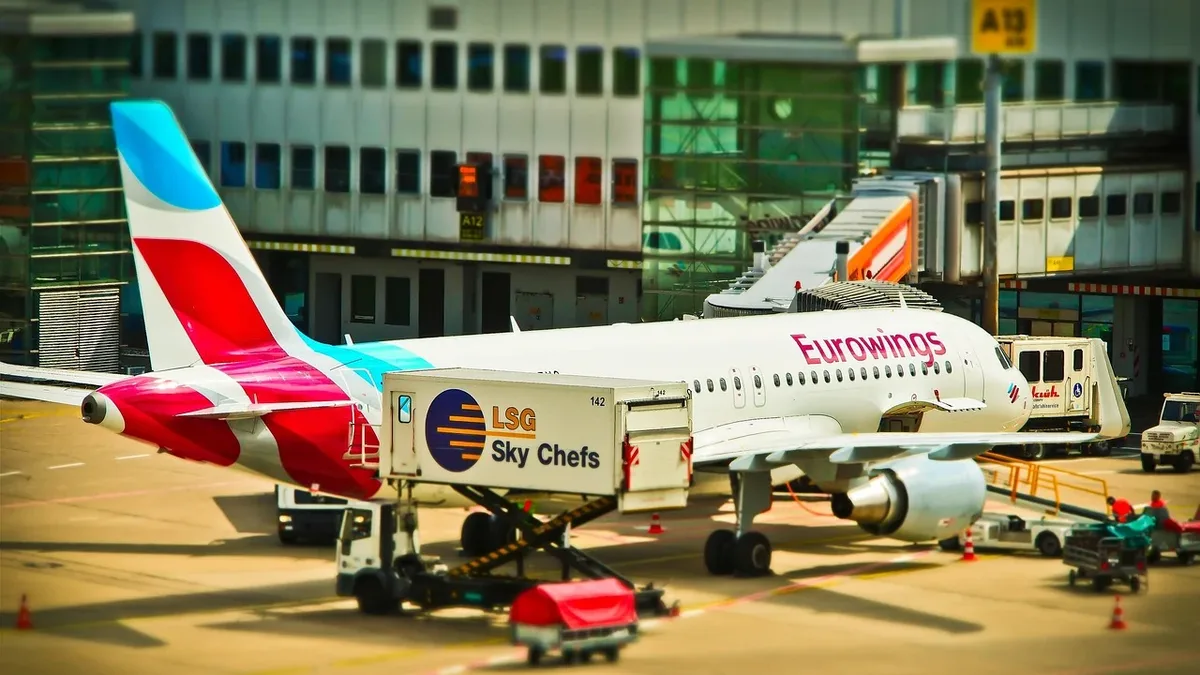
United Airlines Tests Gate Delivery Food Service At Newark
United Airlines is trialing a mobile app service at Newark Liberty International Airport that lets passengers order food and essentials for delivery