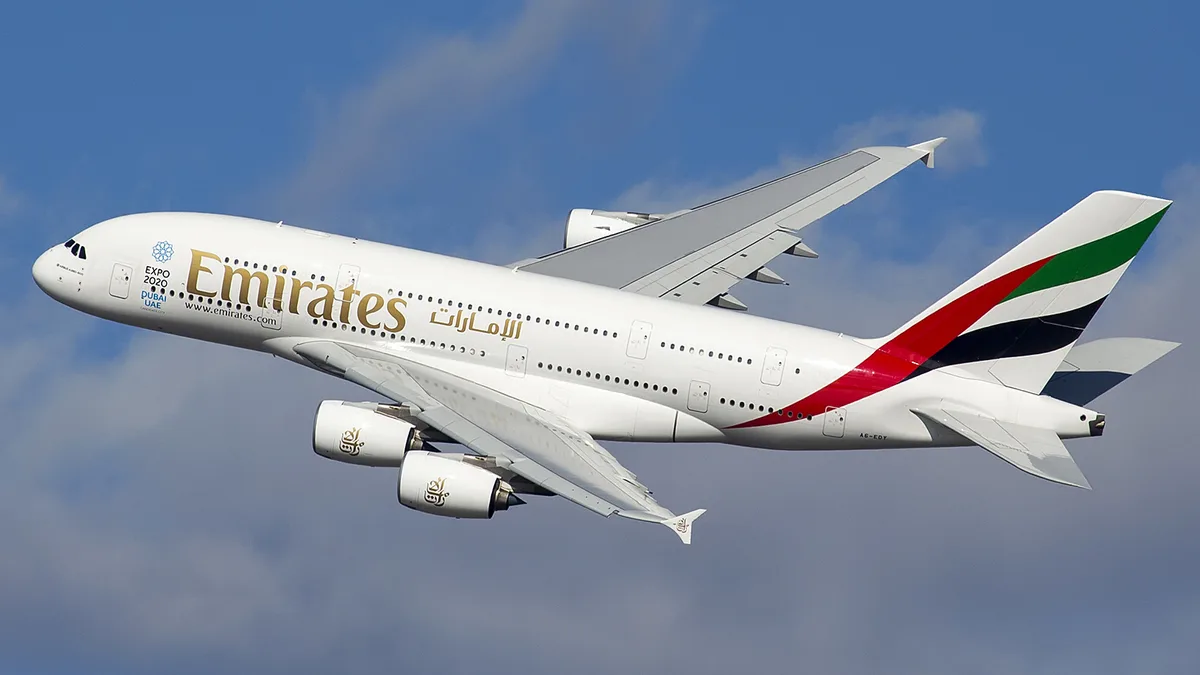
A380
| Country of origin | Multinational (France, Germany, Spain, United Kingdom) |
|---|---|
| First created | 2000s (first flight 2005) |
| Original use | High-capacity long-haul passenger airliner |
| Role | Wide-body, double-deck jet airliner |
| Seating capacity | Typically 400–550 passengers (multi-class) |
| Wingspan | 79.8 metres (261 ft 10 in) |
| Programme status | Production ended (2021) |
Origin and history
The Airbus A380 originates from Europe, developed by the multinational aerospace corporation Airbus. Its development was formally launched in the early 2000s to challenge the long-held dominance of Boeing in the large, long-haul aircraft market. The programme was a massive industrial undertaking, involving design and manufacturing sites across several European countries, with final assembly in Toulouse, France. The concept emerged from earlier Airbus studies, known as the A3XX, which explored the technical and economic feasibility of a very large commercial aircraft. The first flight of the A380 prototype occurred in the mid-2000s, marking a significant milestone in aviation history. It entered commercial service with its launch customer in the late 2000s, representing the culmination of over a decade of research, development, and substantial financial investment.
What it is designed for
The A380 is designed primarily as a high-capacity, very long-range commercial airliner to serve the world's busiest trunk routes between major international hub airports. Its core mission is to transport a large number of passengers, often over 500 in typical configurations, over distances exceeding 8,000 nautical miles without needing to stop for fuel. The design aims to alleviate airport congestion by moving more people with fewer aircraft movements, a concept known as the "hub-and-spoke" model. It is engineered to offer airlines the potential for lower seat-mile costs on dense routes compared to smaller wide-body aircraft. The double-deck configuration provides a unique canvas for airlines to incorporate spacious amenities, such as onboard lounges, premium bars, and expansive first-class suites. Furthermore, its design prioritizes improved fuel efficiency per passenger and reduced noise footprints compared to older large aircraft it was intended to replace.
Development and versions
The development of the A380 was one of the most complex and expensive commercial aircraft programmes ever undertaken, requiring unprecedented levels of international collaboration and new manufacturing techniques. The initial version offered to airlines was the A380-800, which remains the only passenger variant ever produced. A dedicated freighter version, the A380F, was officially launched but was subsequently cancelled due to a lack of orders and shifting market demands. Airbus also studied a stretched version, the A380-900, and a shortened version, but neither progressed beyond the design phase. A significant development challenge was the integration of electrical systems, which caused well-documented delays due to wiring harness issues between design teams in France and Germany. The programme later saw the introduction of the "A380plus" improvement package in the 2010s, which featured aerodynamic enhancements like winglets and proposed cabin updates, though it did not secure any new orders.
A380 specs
The Airbus A380-800 is a full-length double-deck, wide-body, four-engine jet airliner. Its wingspan is approximately 80 meters, and its overall length is about 73 meters, making it one of the largest passenger aircraft by dimensions ever built. The aircraft is typically powered by four high-bypass turbofan engines, offered in models from either Engine Alliance (GP7200 series) or Rolls-Royce (Trent 900 series). Its maximum take-off weight (MTOW) is in the range of 575 tonnes for later production models, allowing for significant payload and fuel capacity. The standard three-class seating configuration typically accommodates between 500 and 550 passengers, though high-density layouts can exceed 800 seats. Its design range with a full passenger load is approximately 8,000 nautical miles (around 15,200 kilometers), enabling non-stop flights such as Singapore to New York or Dubai to Auckland.
A380 seat map
A typical A380 seat map reveals a distinctive double-deck layout, with the main deck and the upper deck running the full length of the passenger cabin. The upper deck is usually reserved for premium cabins, often featuring first-class suites and business-class seats in a 1-2-1 or 2-2-2 configuration, providing direct aisle access. The larger main deck typically houses the majority of the economy-class seats, commonly in a 3-4-3 layout, along with additional premium cabins or premium economy sections toward the front. Many airline configurations include signature social spaces, such as a lounge or bar area located at the front of the upper deck or at the main deck mid/aft stairs. The staircases connecting the decks are usually located at the front and rear of the aircraft, with the forward stairs often being more spacious and grand. Seat maps vary dramatically between airlines, with some carriers opting for very high-density all-economy layouts and others focusing on lavish premium accommodations, making each airline's A380 experience unique.
Overview
The Airbus A380 represents a bold engineering achievement and a specific strategic bet on the future of air travel concentrated through major global hubs. It is the world's largest passenger airliner, offering unparalleled interior space that allows for quiet cabins and a stable, smooth flight experience due to its immense size. The aircraft incorporates advanced materials like carbon-fibre reinforced plastic in its central wing box and other structures to reduce weight. Its four-engine configuration provides redundancy and power, though it also contributes to higher operating costs compared to modern twin-engine aircraft. The programme faced significant commercial challenges, with production ending in the 2020s after roughly 250 deliveries, far below initial projections. Despite this, it remains an iconic aircraft for passengers and a flagship for the airlines that operate it on suitable high-demand routes.
What to know
The A380's operational economics are highly sensitive to passenger load factors; flying it half-empty results in significant financial losses for an airline, limiting its use to only the densest routes. Its immense size requires specific airport infrastructure, including reinforced runways, taxiways, and specialized double-deck boarding gates, which restricts the airports it can serve. The four-engine configuration, while offering certain operational assurances, leads to higher fuel consumption and maintenance costs per trip compared to newer twin-engine wide-bodies like the Boeing 777X or Airbus A350. For passengers, the cabin experience is often quieter and can feel less crowded due to the vast interior volume, even in economy class. The aircraft's future is now one of a niche operator, with production ceased and focus shifting to maintaining the existing fleet, while some have been retired and dismantled for parts. Its environmental performance per passenger can be excellent when fully loaded, but this advantage diminishes on routes with lower or seasonal demand.
Common questions
A common question is why Airbus stopped producing the A380, which primarily relates to a shift in airline preference from very large aircraft hub-focussed models to smaller, more efficient twin-engine planes capable of direct point-to-point routes. People often ask about the differences between the upper and lower decks, with the upper deck generally considered more desirable due to its smaller, quieter cabin and typical placement of premium seats. Many inquire if the A380 is safe, to which the answer is that it has an excellent safety record with no hull-loss accidents since its introduction, benefiting from robust systems and rigorous certification. Passengers frequently want to know which airlines still fly the A380, with key operators including Emirates, Singapore Airlines, Qantas, British Airways, and Lufthansa, among others. Another frequent question concerns the onboard amenities, which vary greatly by airline but can include showers, private suites, and walk-up bars, features made possible by the aircraft's spacious design. People also ask how many pilots are required to fly it, which is a standard two-person flight crew, similar to other modern commercial airliners.
Pros and cons
Pros of the A380 include an exceptionally quiet and spacious passenger cabin that reduces perceived crowding and travel fatigue on very long flights. For airlines, it offers the lowest possible seat-mile cost on its intended ultra-high-density routes when filled, moving more people per slot at congested airports. The aircraft's four engines provide operational flexibility and reassurance for extended overwater flights (ETOPS), though this is less of a factor today. Cons are substantial, starting with its high operating costs per flight due to fuel burn and maintenance for four engines, making it economically unviable on anything but the most consistently packed routes. A common mistake for airlines was over-ordering the type based on optimistic hub-growth projections, leading to early retirements and write-downs when market dynamics shifted toward point-to-point travel. The aircraft's immense size became a liability, restricting it to a limited number of suitable airports and making it difficult to redeploy during demand downturns, as seen during the COVID-19 pandemic when many were grounded.
Who it suits
The A380 suits a very specific type of airline operator: one with a dominant hub-and-spoke network and access to consistently high-demand routes between major global city pairs. It is ideally matched to airlines like Emirates, which built its entire Dubai hub strategy around the aircraft, connecting massive passenger flows from all continents. The aircraft suits routes where airport slot constraints are severe, making the movement of 500 passengers in one aircraft movement more valuable than two movements of smaller aircraft. It suits passengers who prioritize cabin spaciousness and quietness on long journeys and are flying on an airline that has invested in high-quality interior configurations. The type does not suit airlines with diffuse route networks, those focused on secondary cities, or markets with volatile or seasonal demand, where its large capacity becomes a severe economic handicap. Ultimately, it suits a fading era of mass connectivity through mega-hubs, rather than the current industry trend toward frequency and direct connections with smaller, more efficient jets.
Latest A380 news
Latest reporting
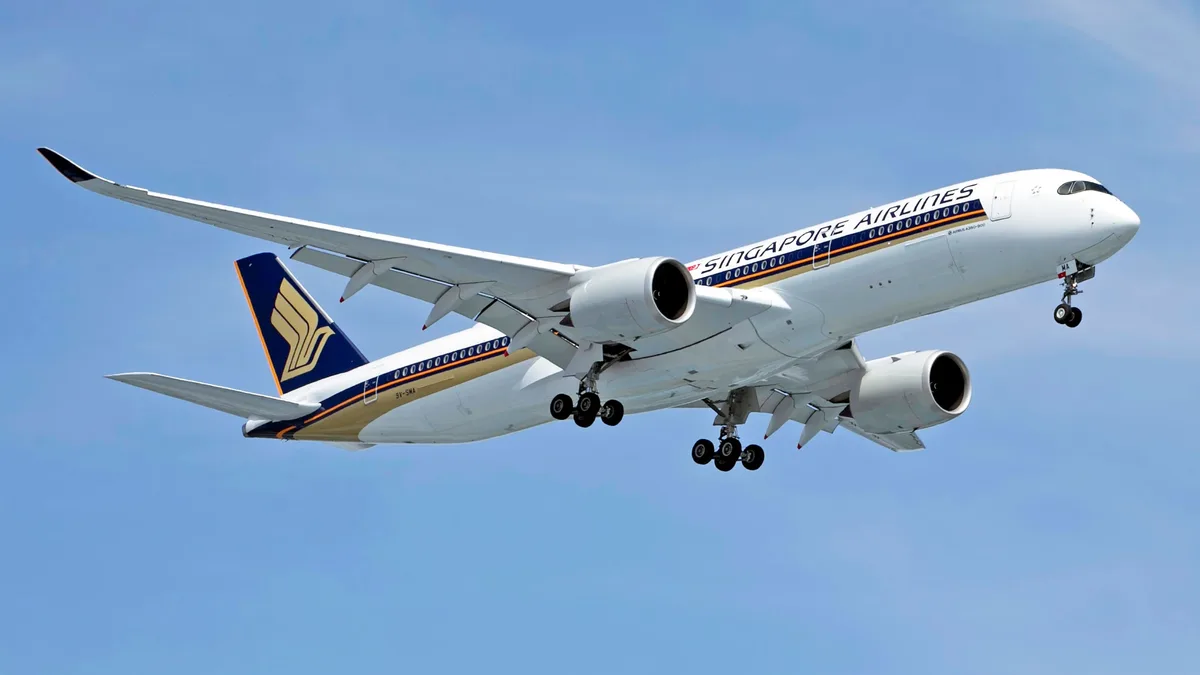
Singapore Airlines Winter 2026/27 Schedule Adds A380
Singapore Airlines will fly to 82 destinations this winter, redeploying the Airbus A380 to Auckland for the full season and adjusting cabins on...
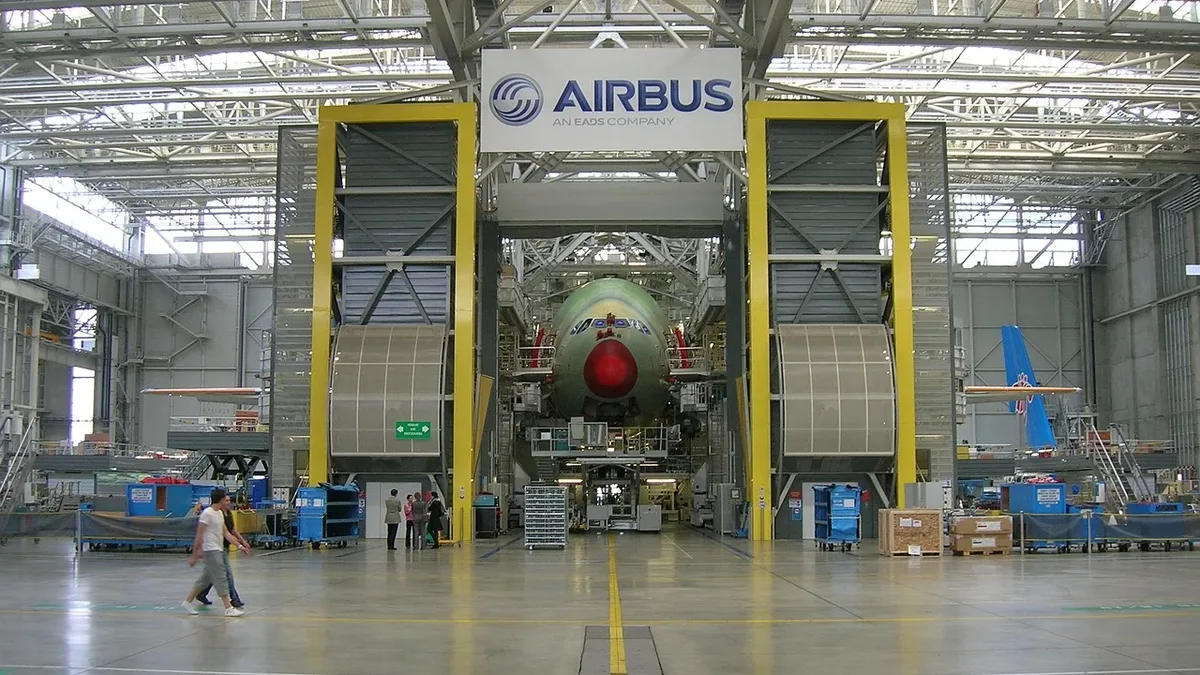
Airbus Revives A380 Wing Plant for A321neo Production
Airbus is investing $200 million to convert its former A380 wing factory in Broughton, UK, to produce wings for the backlogged A321neo.
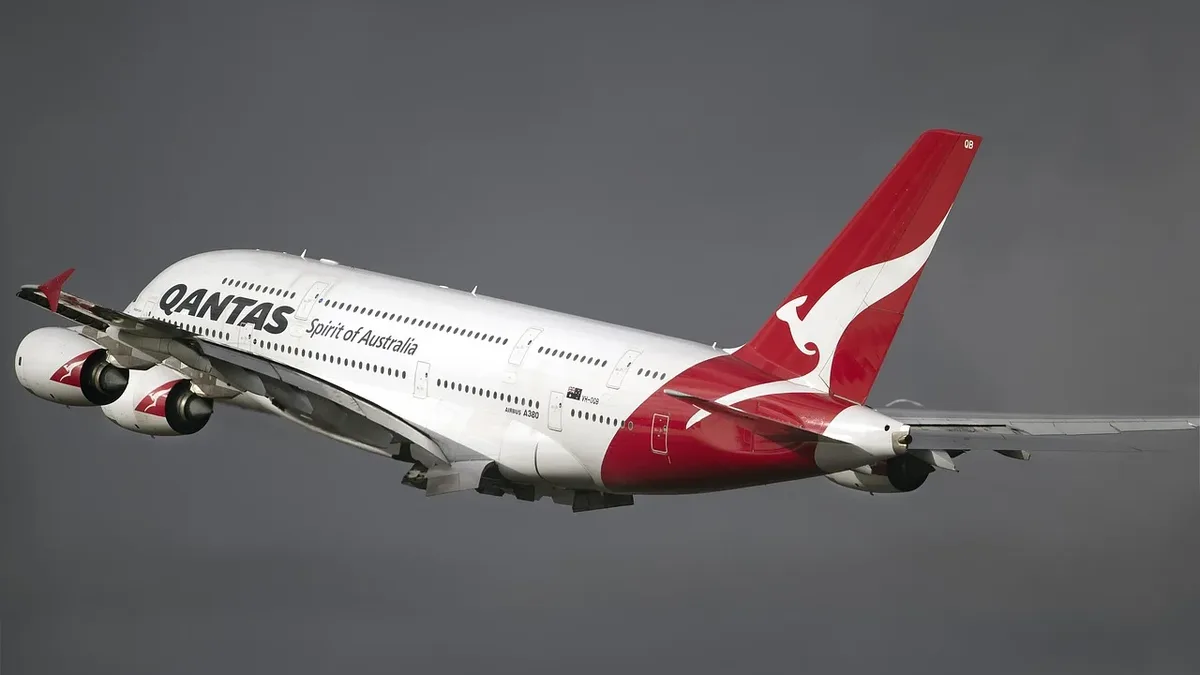
Qantas Replaces Melbourne-Los Angeles A380 With Boeing 787-9
Qantas will drop its Airbus A380 service from Melbourne to Los Angeles on October 22, switching to a Boeing 787-9 Dreamliner.
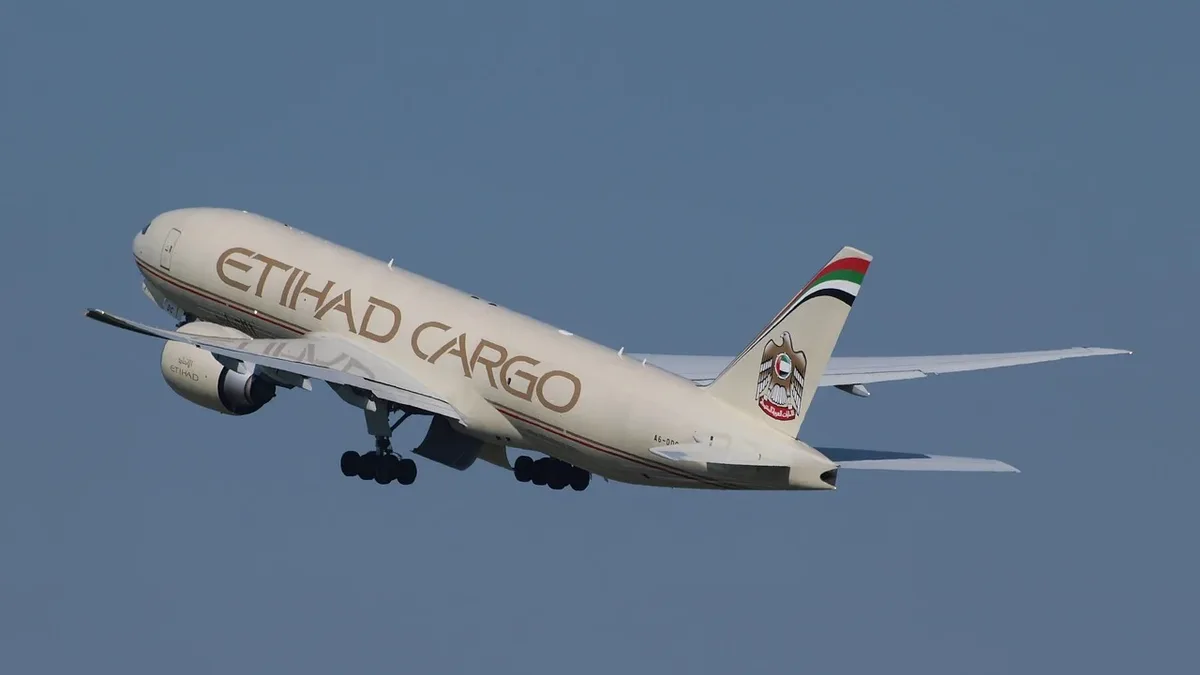
Etihad's Final Stored A380 Returns to Abu Dhabi
Etihad Airways has retrieved its last Airbus A380 from long-term storage in France, moving the airline closer to operating nine of the superjumbos.
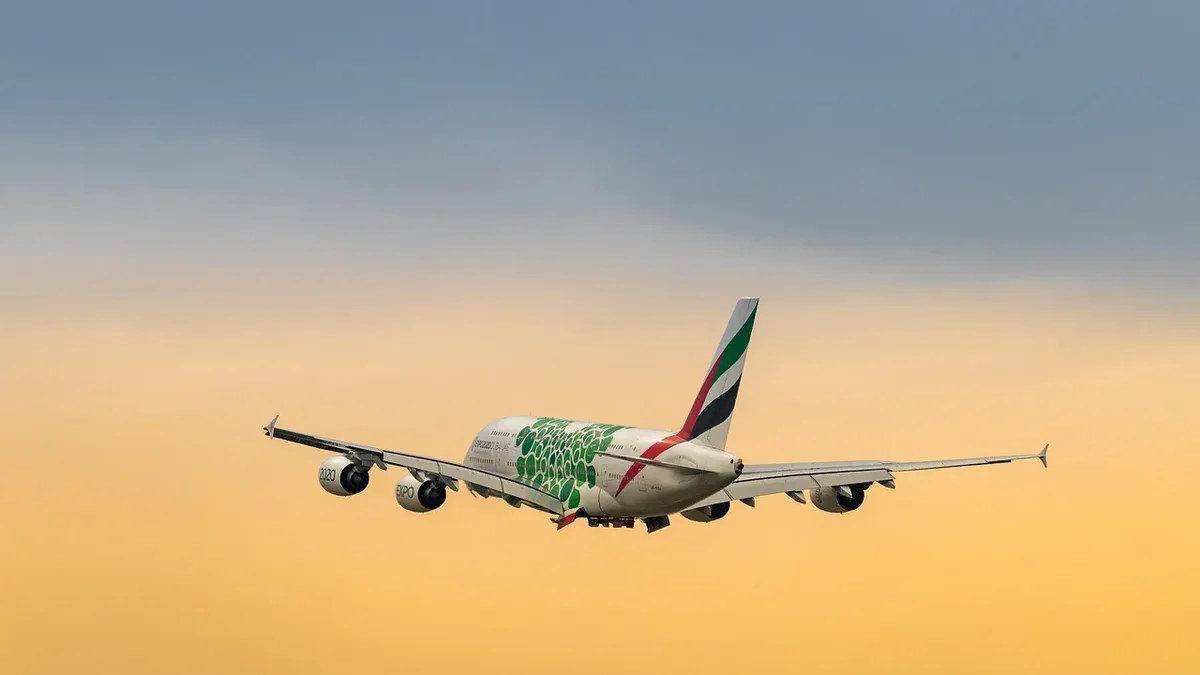
Emirates Returns Airbus A380 to Beijing Route for October
Emirates will operate Airbus A380 flights between Dubai and Beijing from October 4 to 31, replacing Boeing 777-300ER services on the...
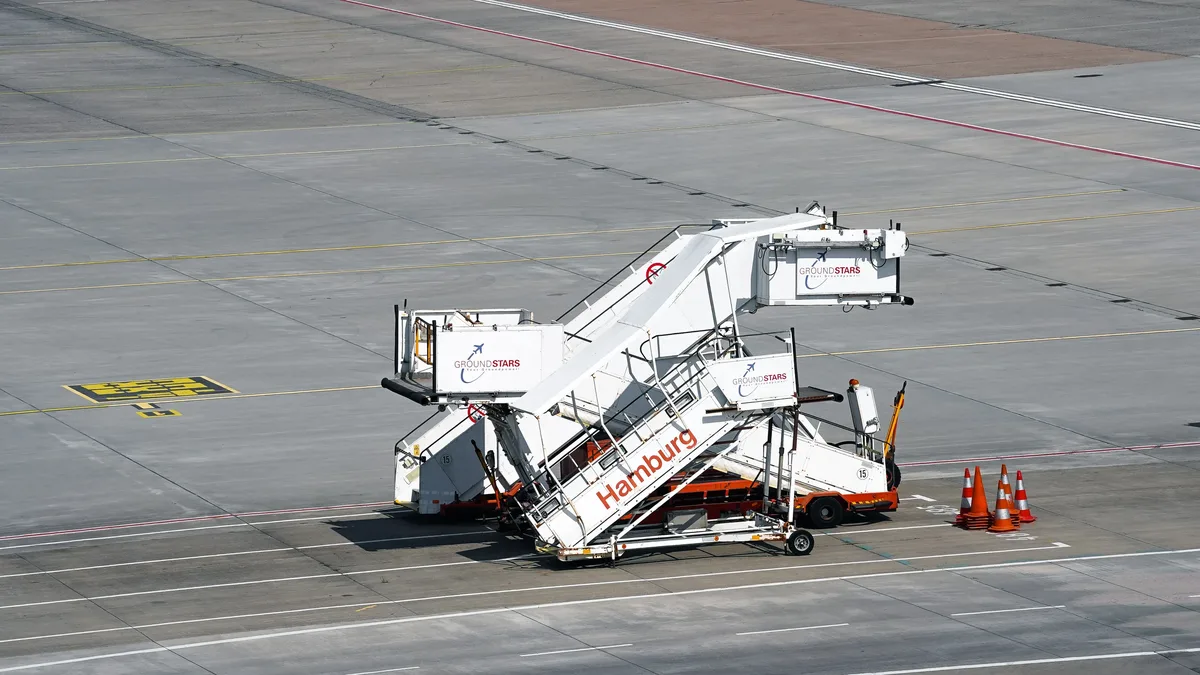
Hamburg Airport is world's oldest
Hamburg Airport began in 1911 as a Zeppelin base. It survived two world wars and now handles modern jets, including the Airbus A380.