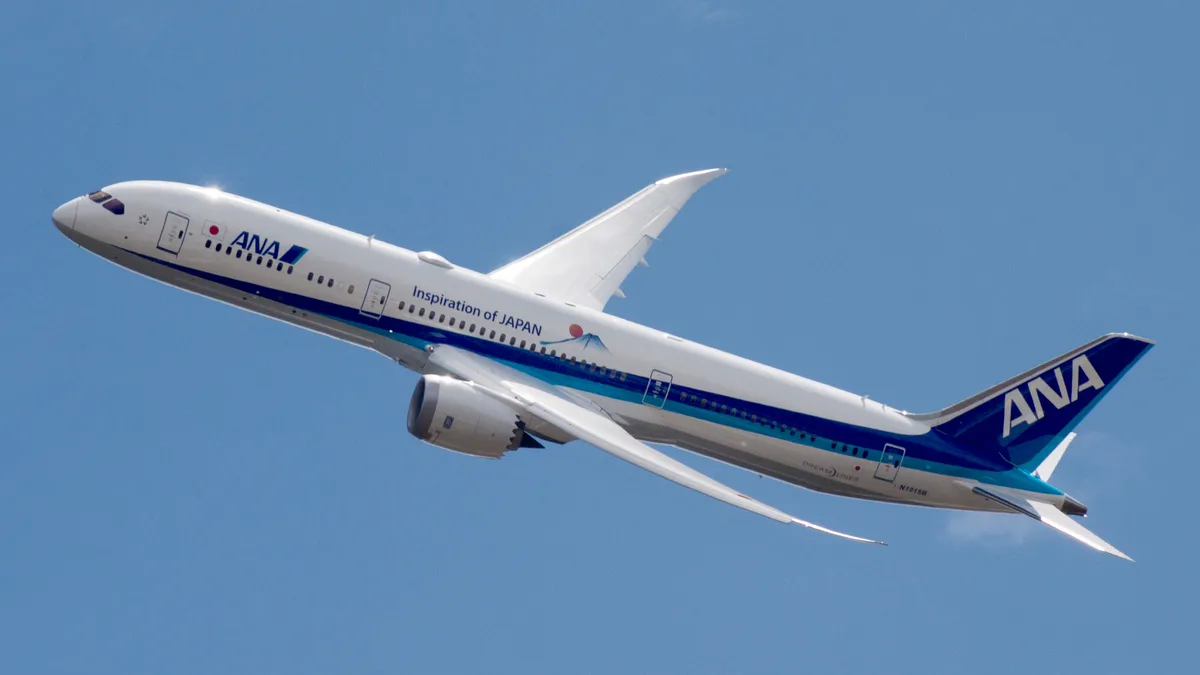
Boeing 787 9
| Country of origin | United States |
|---|---|
| First created | 2010s (first flight 2013) |
| Original use | Long-haul passenger airliner |
| Typical seating | 290 |
| Wingspan | 60.1 m / 197 ft |
| Length | 63 m / 206 ft |
| Engine type | Two high-bypass turbofans |
| Material | Composite primary structure |
Origin and history
The Boeing 787-9 is a wide-body, twin-engine jet airliner originating from the United States. It is part of Boeing's 787 Dreamliner family, which was launched as a new aircraft program in the early 2000s. The development of the 787 family represented a significant strategic shift for Boeing, focusing on composite materials and efficiency to compete with rival Airbus's offerings. The 787-9 variant is a direct stretch of the initial 787-8 model, offering greater passenger and cargo capacity. Its design was formally launched in the late 2000s, with the first delivery occurring in the mid-2010s. The aircraft was developed and continues to be assembled in Boeing facilities primarily in Everett, Washington, and North Charleston, South Carolina.
What it is designed for
The Boeing 787-9 is designed for long-haul, point-to-point routes with an emphasis on fuel efficiency and reduced operating costs for airlines. Its primary mission is to serve routes that have passenger demand insufficient for larger aircraft like the 777 but require more range and capacity than previous mid-size wide-bodies. The airframe makes extensive use of composite materials, which contribute to its lighter weight and improved corrosion resistance compared to traditional aluminum aircraft. The design incorporates advanced aerodynamics, including raked wingtips, to enhance lift and reduce drag. It is engineered to provide improved cabin pressurization and humidity levels, aiming to increase passenger comfort on lengthy flights. The aircraft's design also focuses on reducing noise footprints, both inside the cabin and for communities around airports.
Development and versions
The 787-9 was developed as the first stretched variant of the base 787-8 Dreamliner, featuring a fuselage lengthened by approximately 6 meters. This development was a planned evolution of the family, announced after the initial 787-8 model was already in development. The structural changes required reinforcement of the landing gear and certain airframe sections to handle the increased maximum takeoff weight. The program encountered the same widespread supply chain and production challenges that affected the initial 787-8, leading to delays before its entry into service. A further stretched version, the 787-10, was later developed, creating a three-member family. The 787-9 remains the middle-of-the-market option within the Dreamliner lineup, balancing range and capacity.
Pros and cons
A significant pro of the 787-9 is its exceptional fuel efficiency for its size, derived from its composite airframe and advanced engines, which directly lowers airline operating costs. The aircraft's long range allows airlines to open new non-stop routes that were previously not economically viable with other aircraft. For passengers, the larger windows, higher cabin humidity, and lower cabin altitude are tangible improvements in comfort over many older aircraft. A primary con is the historical complexity and cost of repairs to its composite structure, which requires specialized techniques, facilities, and inspection protocols not needed for aluminum airframes. Operators have regretted the aircraft's selection when deploying it on very high-density, short-haul routes, where its fuel advantages are negated and its higher acquisition cost becomes a burden. A common mistake is underestimating the operational disruption caused by early-generation technical issues, such as those with the Rolls-Royce Trent 1000 engines, which led to extensive groundings and inspections for some operators.
Who it suits
The Boeing 787-9 suits airlines that operate long-haul routes between secondary city pairs or with moderate but consistent passenger demand. It is particularly well-suited for full-service network carriers looking to replace aging fleets of earlier-generation Airbus A330s and Boeing 767s with a more efficient aircraft. The aircraft also suits airlines aiming to increase frequency on existing long-haul routes where using a larger aircraft like a 777 would be excessive. Operators with a strong focus on environmental metrics and noise reduction often favor the 787-9 for its improved performance in these areas. It is less suited for low-cost carriers focused exclusively on ultra-high-density, short- to medium-haul operations, where a smaller or single-aisle aircraft would be more cost-effective. The aircraft also suits cargo operators in its freighter variant, designed to capitalize on its range and volume for long-distance air freight markets.
Latest Boeing 787 9 news
Latest reporting
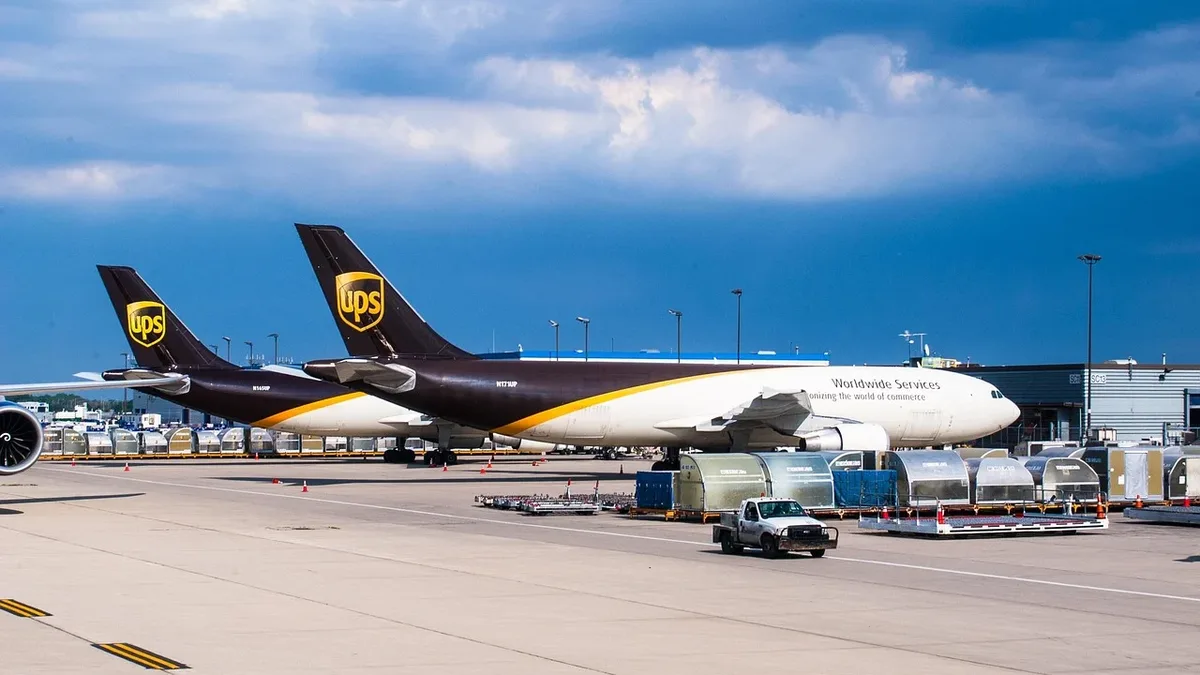
UPS and Copa Jets Collide on Miami Airport Taxiways
A UPS Boeing 767 freighter and a Copa Airlines Boeing 737-800 collided on intersecting taxiways at Miami International Airport, causing two minor...
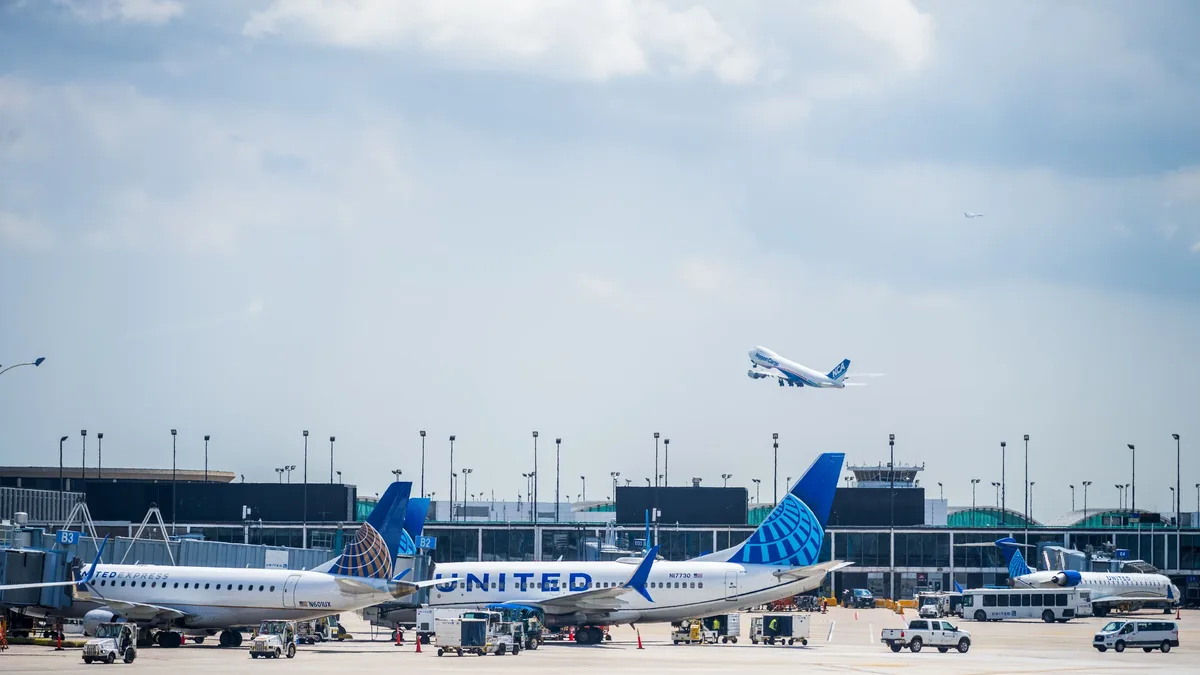
Cessna 172 Flipped by Jet Blast at John Wayne Airport
A Cessna 172 Skyhawk overturned at John Wayne Airport on November 7, 2025, after being struck by jet blast from a departing United Airlines Boeing...
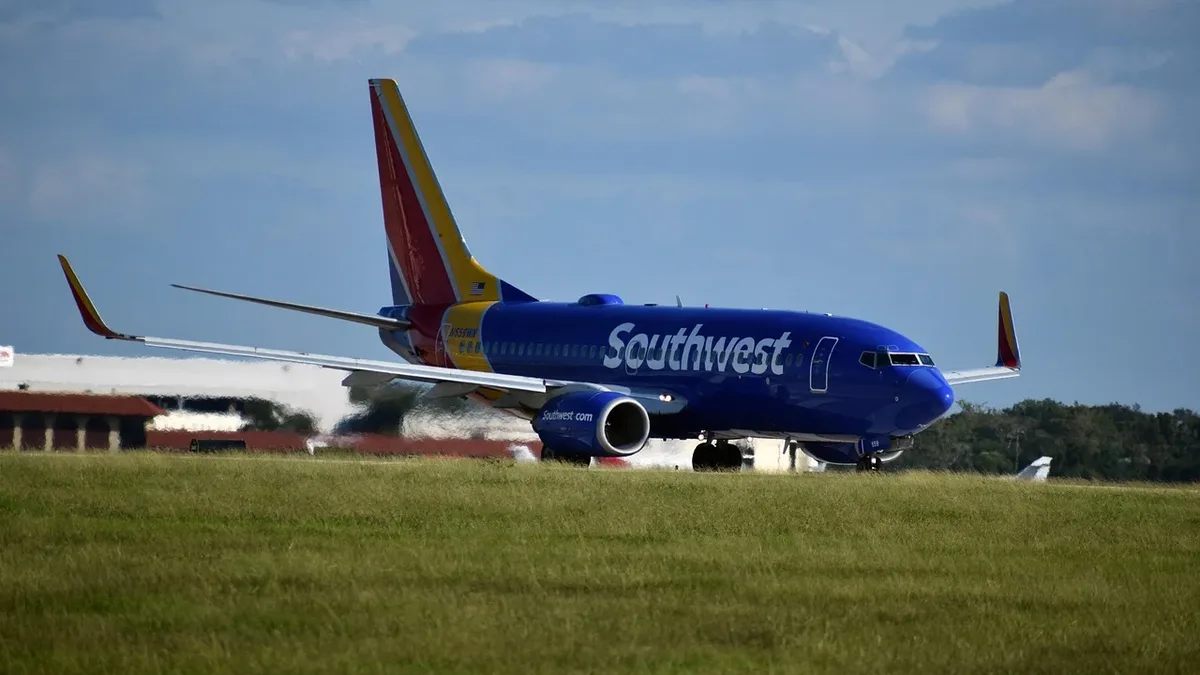
Southwest 737 MAX flew 44 times with undetected rudder damage
The NTSB found undetected storm damage to a Southwest Boeing 737 MAX's rudder mounting structure led to a Dutch roll event after 44 flights...
GE9X Sets Thrust Record as 777-9 Certification Delayed
The GE9X engine holds the world record for peak thrust at 134,300 pounds-force, certified in 2019. Its application on the Boeing 777-9 faces a new...

GE Aerospace Approves NYCO Oil for GEnx-1B Engines
GE Aerospace has qualified NYCO's Turbonycoil 600 synthetic turbine oil for the GEnx-1B engine following a 36-month evaluation on Air France's Boeing...
Boeing Forecasts 2,930 Freighter Deliveries Through 2045
Boeing's 2026 World Air Cargo Forecast projects a need for 2,930 new and converted freighters over 20 years as air cargo traffic doubles.