Royal Air Force
| Operator | Royal Air Force |
|---|---|
| Country of origin | United Kingdom |
| First created | 1918 |
| Original use | Military aviation |
| Operator type | National air force |
| Primary roles | Air defence, strike, reconnaissance, transport |
Origin and history
The Royal Air Force (RAF) originates from the United Kingdom and was formally established as the first independent air force in the world. Its creation was a direct result of the experiences of the First World War, which demonstrated the need to unify military aviation under a single command. The RAF was formed on 1 April 1918 through the amalgamation of the Royal Flying Corps (RFC) and the Royal Naval Air Service (RNAS). This reorganization aimed to achieve greater strategic coordination and efficiency in aerial warfare. The service's early history was dominated by its role in the final campaigns of the First World War and subsequent policing actions across the British Empire during the interwar period. Its survival as an independent service was not guaranteed after the war but was secured by its perceived value for imperial defence and its doctrinal development.
What it is designed for
The Royal Air Force is designed to deliver air and space power for the defence and security of the United Kingdom and its allies. Its core functions, as defined in its doctrine, are to control the air, provide intelligence and situational awareness, project power globally, and enable joint military operations. The RAF is structured to conduct a wide spectrum of operations, from humanitarian aid and disaster relief to high-intensity peer-state conflict. A central design purpose is to achieve air superiority, which is considered a prerequisite for the freedom of action of friendly land and naval forces. Furthermore, it is designed to provide strategic and tactical airlift, aerial refuelling, and nuclear deterrence through its continuous at-sea and airborne alert systems. The integration of space and cyber capabilities into its remit reflects its evolving design to operate across all domains of modern warfare.
Development and versions
The development of the Royal Air Force is characterized by continual technological and doctrinal evolution in response to strategic threats. Its initial operational experience was defined by biplane aircraft, but rapid interwar development led to monoplane designs like the Hurricane and Spitfire, which were crucial in the Second World War. The post-war era saw the RAF transition through jet aircraft, nuclear weapons delivery with the V-bomber force, and the integration of missile technology during the Cold War. Major version shifts in its structure include the post-Cold War drawdown, the Strategic Defence Reviews which reshaped its force composition, and the recent integration of fifth-generation F-35B Lightning II aircraft. The development of its enabling elements, such as the E-3D Sentry AWACS and later the E-7 Wedgetail for airborne command, and the Voyager for air-to-air refuelling, has been equally critical. Current development programmes focus on the transition to new platforms like the Tempest future combat air system and the modernization of its intelligence, surveillance, and reconnaissance fleets.
Pros and cons
A principal pro of the Royal Air Force is its deep institutional experience and highly professional cadre, honed over a century of continuous operation and combat. It maintains a strong reputation for technical excellence, rigorous training standards, and effective integration with key allies, particularly within NATO and the Five Eyes intelligence community. The cons include its chronic struggle with budgetary constraints and procurement delays, which have often resulted in capability gaps and reduced fleet sizes that stretch personnel and assets thin. A common mistake for political planners is to assume the RAF can sustain global commitments with a shrinking inventory, leading to overuse of airframes and accelerated fatigue. Those who regret engagement with the RAF often cite bureaucratic inertia within the wider defence procurement system, which can delay critical upgrades for years. Furthermore, its heavy reliance on a small number of high-tech, expensive platforms creates significant vulnerability if key aircraft types are grounded for technical or safety reasons.
Who it suits
The Royal Air Force suits individuals seeking a technically demanding career within a structured, tradition-rich military organization that values discipline and specialization. It is suited for those with a strong interest in aviation, aerospace engineering, cyber operations, or intelligence, and who desire the opportunity to operate some of the world's most advanced military technology. The organisation suits personnel who can thrive in a hierarchical environment but also demonstrate initiative and adaptability during deployed operations. It is less suited for individuals seeking rapid, unconventional career progression or those uncomfortable with the potential for frequent relocation and long periods away from home. The RAF's culture and career pathways are particularly aligned with individuals who place a high value on being part of a joint and coalition warfare environment, where interoperability with allied forces is a daily reality. Ultimately, it suits those committed to the concept of service and the specific demands of maintaining and employing air and space power.
Latest Royal Air Force news
Latest reporting
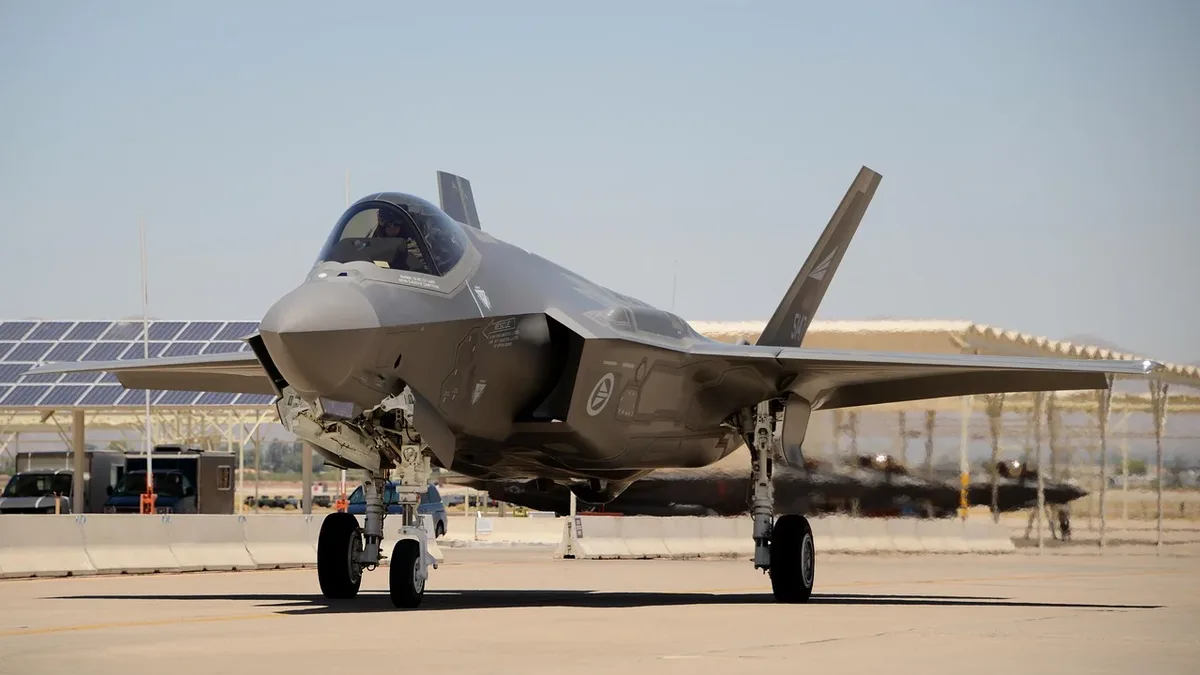
US Air Force Seeks Netting for F-35A Shelters at Tyndall
The US Air Force is conducting market research for contractors to install protective netting around six F-35A shelters at Tyndall Air Force Base...
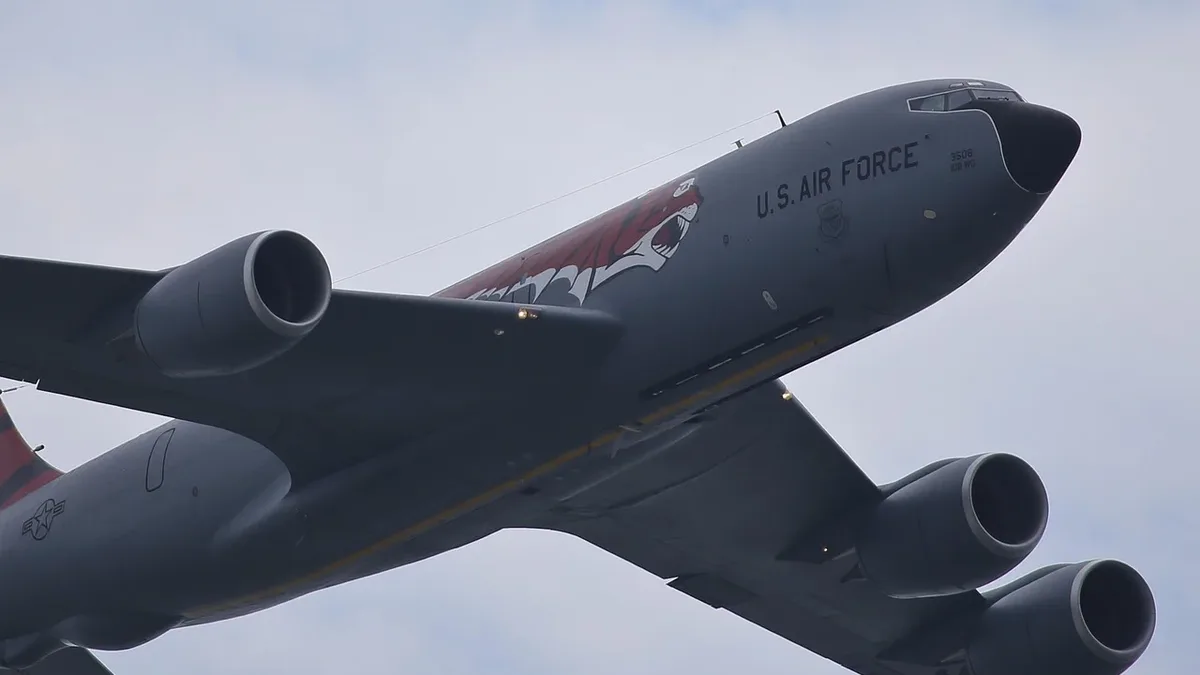
Joby Aviation secures expanded Air Force autonomous cargo funding
Joby Aviation's total U.S. Air Force funding for autonomous flight work has reached nearly $37 million, with a contract ceiling increase to $50...
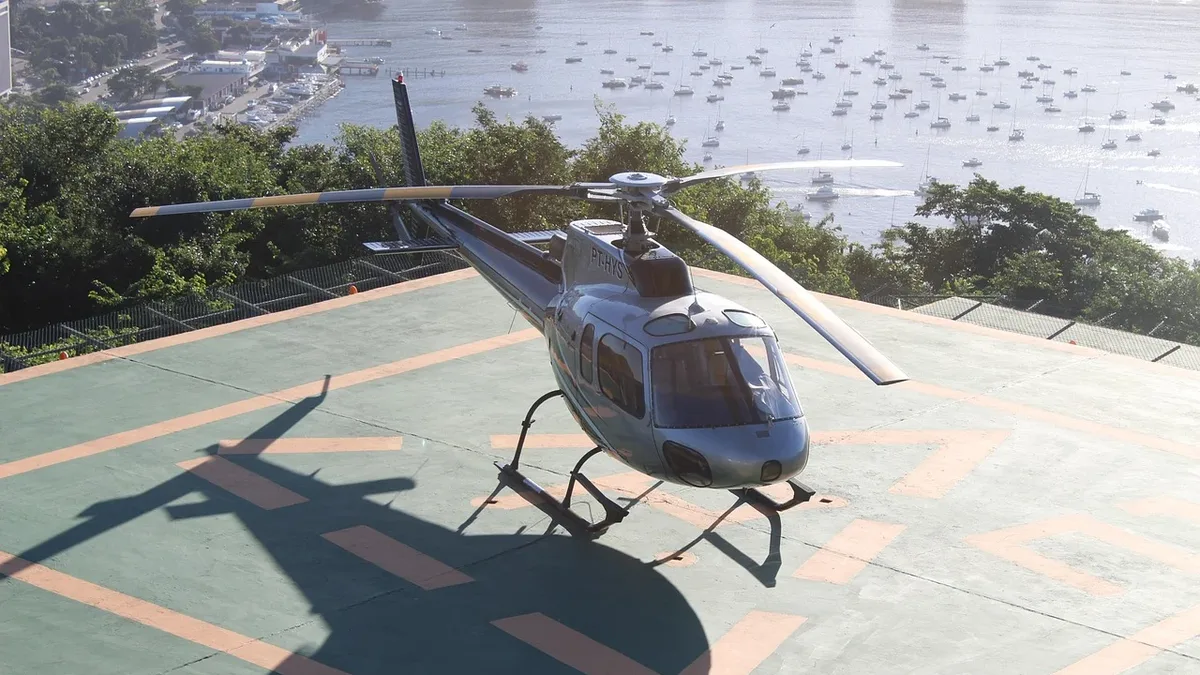
Leonardo Partners with Shield AI on Proteus Autonomous Helicopter
Leonardo will integrate Shield AI's Hivemind autonomy software into its Proteus uncrewed helicopter demonstrator for the Royal Navy, enabling...
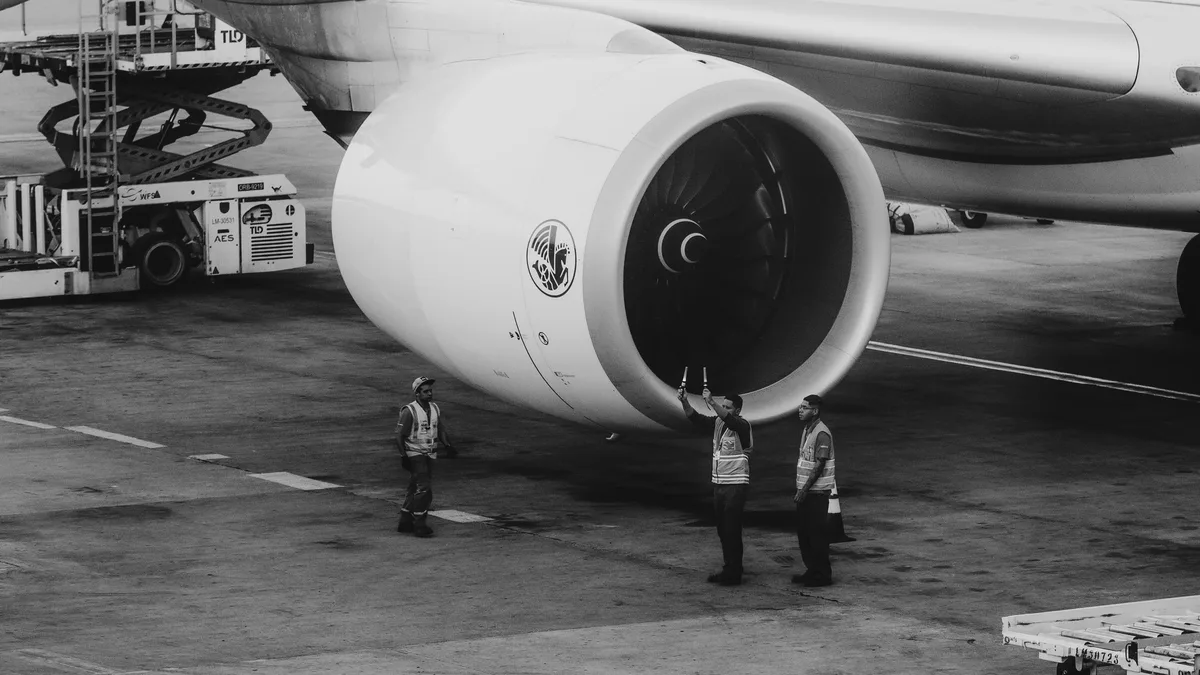
GE9X Sets Thrust Record as 777-9 Certification Delayed
The GE9X engine holds the world record for peak thrust at 134,300 pounds-force, certified in 2019. Its application on the Boeing 777-9 faces a new...
Omega Aerial Refueling Services Acquires Retired KC-10A Tanker
A retired U.S. Air Force KC-10 Extender has been acquired by Omega Aerial Refueling Services for commercial aerial refueling, highlighting the...
Spirit Defense Joins GA-ASI to Build FQ-42 Vengeance Drones
Boeing subsidiary Spirit Defense will manufacture fuselages for General Atomics' FQ-42 Vengeance, expanding production capacity for the U.S. Air...