Manassas Airport certified for commercial flights by FAA
Washington Manassas Airport has received FAA Part 139 certification, allowing scheduled commercial passenger service to begin by late 2027.
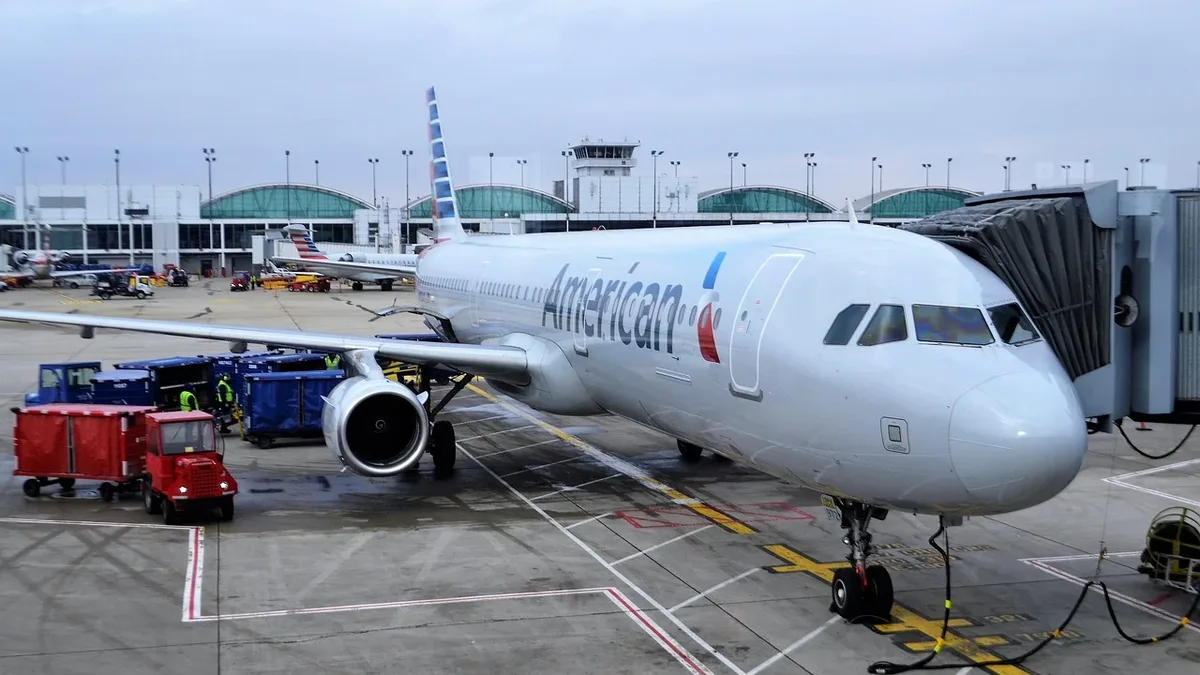
Washington Manassas Airport (KHEF) is set to begin scheduled commercial passenger service by late 2027. The Virginia airport has received FAA Part 139 certification. This move will significantly increase flight activity at the state's busiest general aviation facility.
This authorization marks the first time in 53 years a Virginia airport has obtained such certification. It will establish KHEF as the Washington, D.C. Area's fourth commercial airport. The transition involves major infrastructure investment. It will change the airport from a pure general aviation and reliever field to a mixed-use facility.
Traffic and Capacity Projections
Commercial operations are projected to add roughly 40,000 flights to the airport's annual traffic. The airport could eventually accommodate up to 3 million passengers each year.
General aviation pilots who currently use the field should prepare for a busier airspace. The airport was renamed from Manassas Regional Airport earlier this year. It already logs more than 100,000 annual operations. It is also home to more than 420 based aircraft.
Infrastructure and Role
The airport serves as a designated reliever for Washington Dulles International Airport (KIAD). Its new commercial role will require substantial upgrades. These are needed to handle the influx of scheduled airline traffic. The specifics of these renovations were not detailed in the source report.
The FAA's Part 139 certification sets the safety and operational standards airports must meet. This is for serving scheduled air carrier aircraft with more than a specified number of seats. Obtaining this certification is a critical regulatory hurdle. It is necessary for any airport seeking to launch commercial service.
Historical Context and Impact
The last Virginia airport to receive similar certification did so more than five decades ago. This long gap highlights the significance of the development for the state's aviation landscape. The addition of a fourth commercial airport in the capital region is expected to provide more travel options. It may also ease congestion at other major hubs.
The report does not specify which airlines might serve the airport. It also does not detail what destinations will be offered. The focus remains on the regulatory milestone. The report covers its projected impact on flight operations and capacity. The changes will fundamentally alter the character of an airport deeply embedded in the general aviation community.