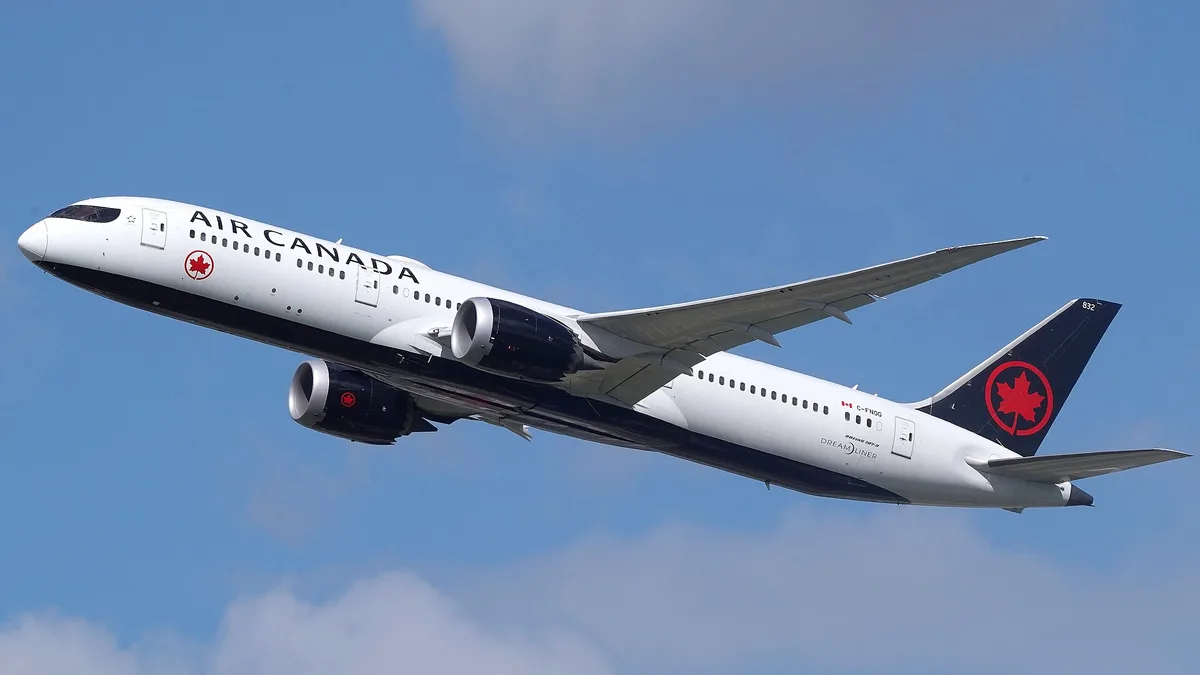
Air Canada
| Operator | Air Canada |
|---|---|
| Airline type | Full-service network carrier |
| Country of origin | Canada |
| First created | 1937 |
| Primary hubs | Toronto Pearson, Montréal–Trudeau, Vancouver |
| Fleet type | Mainline jet (narrow-body and wide-body) |
| Alliance | Star Alliance |
| IATA code | AC |
| ICAO code | ACA |
Origin and history
Air Canada is a flag carrier airline originating from Canada. Its establishment occurred in the 1930s, initially operating under a different name as a subsidiary of a national railway company. The airline was created to provide transcontinental air service within Canada, a significant logistical challenge given the country's vast geography. It transitioned to a crown corporation in the latter half of the 1930s, marking the beginning of its development as a national airline. The adoption of the Air Canada name came decades later, in the 1960s, as part of a modernization and rebranding effort. The airline was fully privatized in the late 1980s, transitioning from government ownership to a publicly traded company.
What it is designed for
Air Canada is designed as a full-service network carrier, operating a vast domestic, transborder, and international route system. Its primary purpose is to connect passengers across Canada and link the country to global destinations through its main hubs in Toronto, Vancouver, and Montreal. The airline is structured to serve a wide range of travel segments, including premium business traffic, leisure travel, and cargo transport. Its network design facilitates complex connectivity, allowing passengers from smaller Canadian cities to reach international points via its major hubs. The airline also operates regional services through its Express partners, utilizing smaller aircraft to feed its mainline network. Furthermore, it is designed to provide air travel under challenging operational conditions, such as the Canadian winter, requiring specific procedures and infrastructure.
Development and versions
The airline's development has been characterized by fleet modernization, network expansion, and strategic alliance membership. Its early fleet consisted of propeller-driven aircraft like the Lockheed L-10 Electra, later transitioning to jet aircraft such as the Douglas DC-8 and Vickers Vanguard in the 1960s. A significant development was its early adoption of the Boeing 767 and Airbus A320 family aircraft in the 1980s, shaping its modern narrow-body and mid-wide-body operations. The airline joined the Star Alliance in the late 1990s, integrating its network with a global partnership of carriers. More recent fleet development includes the introduction of the Boeing 787 Dreamliner and the Airbus A220, alongside orders for the Boeing 737 MAX and Airbus A321XLR. The airline also operates various "versions" through its mainline and regional divisions, with Air Canada Express operating as a feeder network using aircraft from manufacturers like Bombardier and Embraer.
Pros and cons
A primary advantage of Air Canada is its extensive domestic network, which is unrivaled within Canada for frequency and reach to smaller communities. Its membership in the Star Alliance provides global connectivity and frequent flyer benefits across many airlines. The airline offers a consistent full-service product, including business class lie-flat seats on wide-body routes and a defined economy service. Common criticisms include operational fragility during severe weather or system disruptions, where recovery can be slow and customer communication often receives complaints. The airline's pricing on domestic routes is frequently perceived as high, with limited low-cost competition on many city pairs. Some passengers express frustration with complex fare structures and fees, particularly regarding checked baggage and seat selection, which can make total trip costs unclear at initial booking.
Who it suits
Air Canada suits travelers who require reliable connectivity between Canadian cities and direct access to its major international hubs. It is a practical choice for business travelers within Canada due to its schedule frequency and network coverage, as well as for premium cabin passengers on long-haul routes. The airline suits Star Alliance loyalists and members of its Aeroplan program who can leverage status for upgrades and lounge access. It is less suited for ultra-low-cost seekers on domestic routes, where alternative carriers may offer lower bare fares, albeit with less extensive networks. Passengers with complex itineraries involving small Canadian communities often find it the only viable option, despite potential cost premiums. It also suits cargo shippers needing wide-body freight capacity on key international routes from Canadian gateways.
Latest Air Canada news
Latest reporting
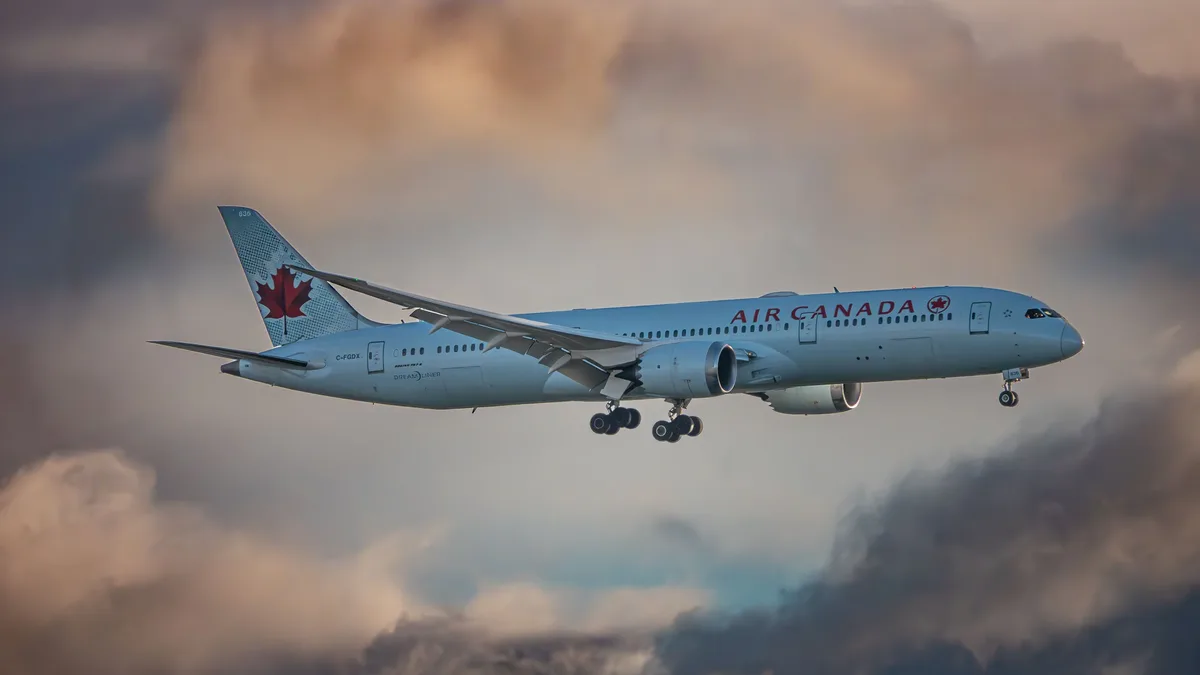
Air Canada to launch A321XLR daytripper flights to London
Air Canada will deploy its new Airbus A321XLR on a daytime 'daytripper' service between Toronto and London Heathrow from June 1, 2027, adding a fifth...

Air Canada adds Dubrovnik, five other new
Air Canada will launch seasonal flights from Montreal to Dubrovnik, Croatia in May 2027, marking its return to the Croatian market with its own...
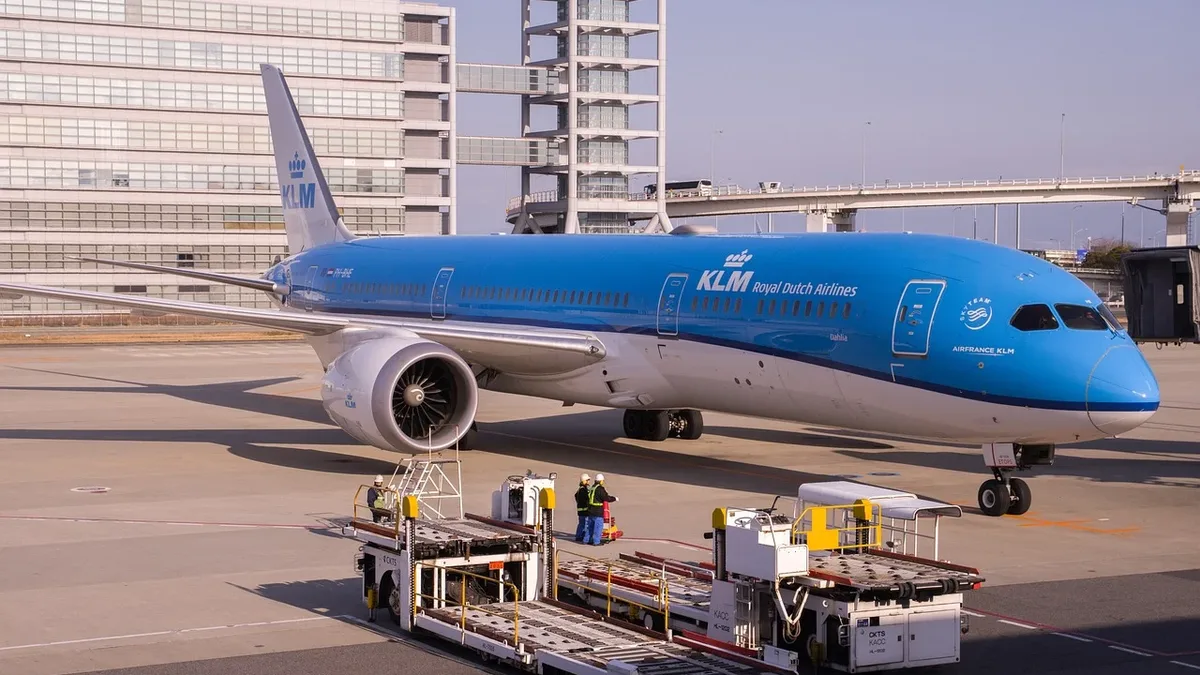
KLM's First Airbus A350 Nears Delivery for October Service
KLM's first Airbus A350-900, named 'The Night Watch', is in final testing in Toulouse. The aircraft will enter service on October 9, 2026, initially...
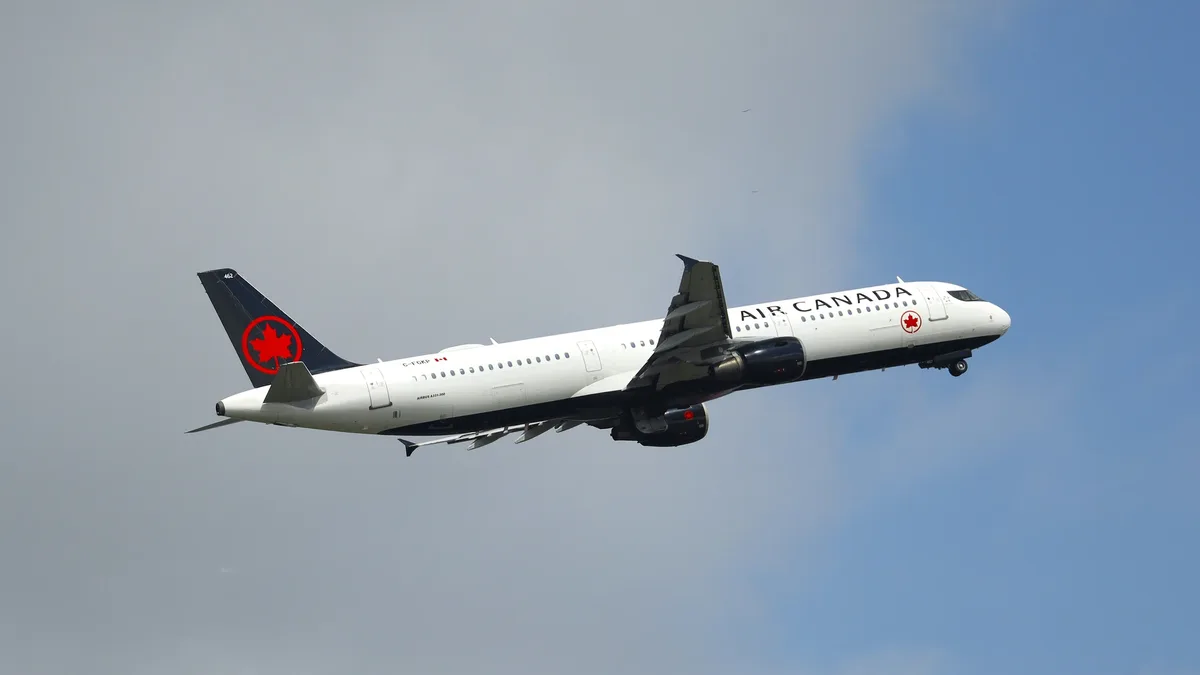
Air Canada Teases Five New Routes
Air Canada is running a contest for travelers to guess five new international destinations for Summer 2027, offering prizes worth $44,000.
Delta A330 Diverts
A Delta Air Lines Airbus A330-300 with 280 onboard diverted to St. John's International Airport in Canada due to a mechanical emergency. The flight...